New boating fees, permits loom for Otter Tail County boaters
Otter Tail County boaters face higher invasive-species surcharges and a new permit rule for younger operators, but existing safety rules stay in place.
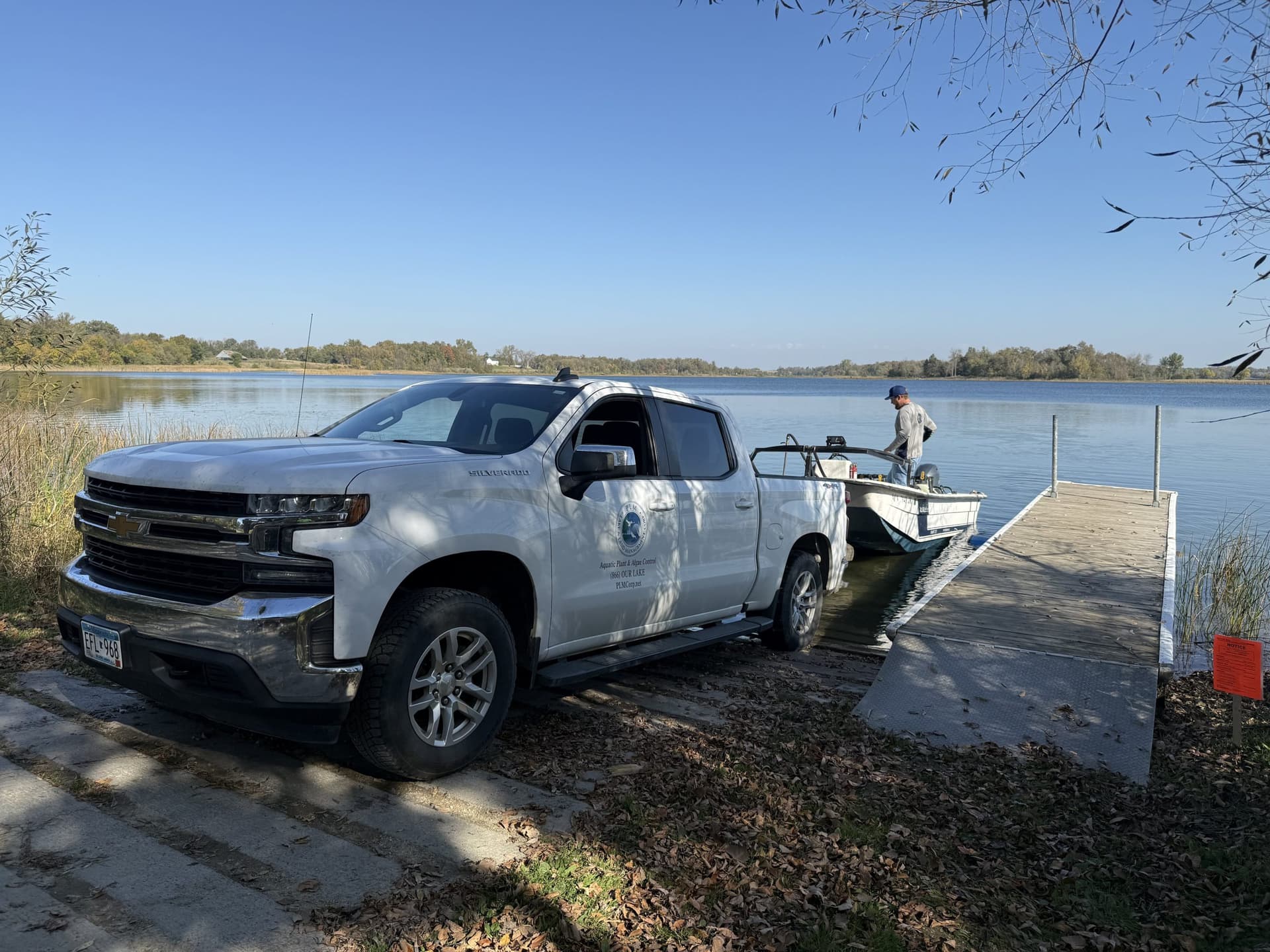
Otter Tail County boaters heading back to the lakes this summer face two changes that matter most at the landing and the registration counter: higher aquatic invasive species fees and a wider watercraft operator permit requirement for younger drivers. The basics of boating safety, including life jacket rules, carbon monoxide law and personal watercraft rules, remain in place.
Starting July 1, operators born after June 30, 2000, meaning boaters 26 and younger, must have a valid watercraft operator’s permit to run motorboats and personal watercraft. The permit rule began phasing in on July 1, 2025, and expands again this year as Minnesota continues rolling out its boater education law.

The fee change already took effect January 1. Minnesota’s 2025 environment and natural resources budget package replaced the long-standing flat aquatic invasive species surcharge of $10.60 with a sliding charge of $14 to $62, depending on the size, type and use of the watercraft. Watercraft registrations are valid for three years, so not every owner sees the new amount on the same day; the updated fee applies when a new registration is issued or an existing one is renewed. Registrations can be renewed online or at a deputy registrar office.
State funding for invasive species work is tied closely to that surcharge. The money supports invasive species control, public awareness, law enforcement, monitoring and research. Minnesota’s Legislature directed the Department of Natural Resources to establish the Invasive Species Program in 1991, and the watercraft surcharge dates to the early 1990s, beginning at $1 in 1990 before later increases.
The changes land in a county with 1,048 lakes, where prevention and compliance carry real economic weight. Otter Tail County AIS specialist Spencer McGrew, who chairs the Statewide Aquatic Invasive Species Advisory Committee, has said county-led programs account for about 90% of Minnesota’s AIS prevention efforts. County officials also point to research showing every $1 spent on prevention can save $100 in management costs, a reminder that inspection, cleaning and enforcement are not just bureaucratic steps but part of keeping lakes usable.
That broader effort matters in a state where tourism and outdoor recreation contributed $13.5 billion to the economy in 2023. Otter Tail County received $461,619 in state AIS prevention aid for 2025, part of Minnesota’s Local Aquatic Invasive Species Prevention Aid program, which provides $10 million annually to counties. For lake users, the message is straightforward: check the permit, check the registration date and assume the shoreline rules have not relaxed just because summer has arrived.
This article was produced by Prism’s automated news system from verified source data, official records, and press releases, then run through automated quality and moderation checks before publishing. The system is built and supervised by the people who set the standards it runs under. Read our full AI policy.
Did this article answer your question?


