New York Mills schools move $30.6 million levy referendum to ballot
New York Mills schools are sending a $30.6 million building referendum to November voters, a decision that could reshape tax bills and classrooms in a small Otter Tail County district.
New York Mills school leaders moved a three-part building referendum toward the November ballot, opening a decision that could commit property owners to about $30.6 million in capital costs and reshape daily life in the district’s two schools. The board took up the proposal at a regularly scheduled meeting on Monday, June 22, after weeks of public outreach and before voters get the final say this fall.
The district has already been laying the groundwork. On April 20, it invited residents to an open house to hear about a potential November referendum, and district website materials now include an April 2026 open house survey results page, showing the proposal has been through a community feedback process before reaching the ballot stage.

New York Mills Public School District is a regular local district with two schools and a PK-12 span, serving 783 students across New York Mills Elementary School and New York Mills Secondary. The secondary school enrolls 362 students in grades 7-12 and carries a 14.39 student-teacher ratio for the 2024-25 school year, figures that underscore how much weight a major building vote carries in a small system.
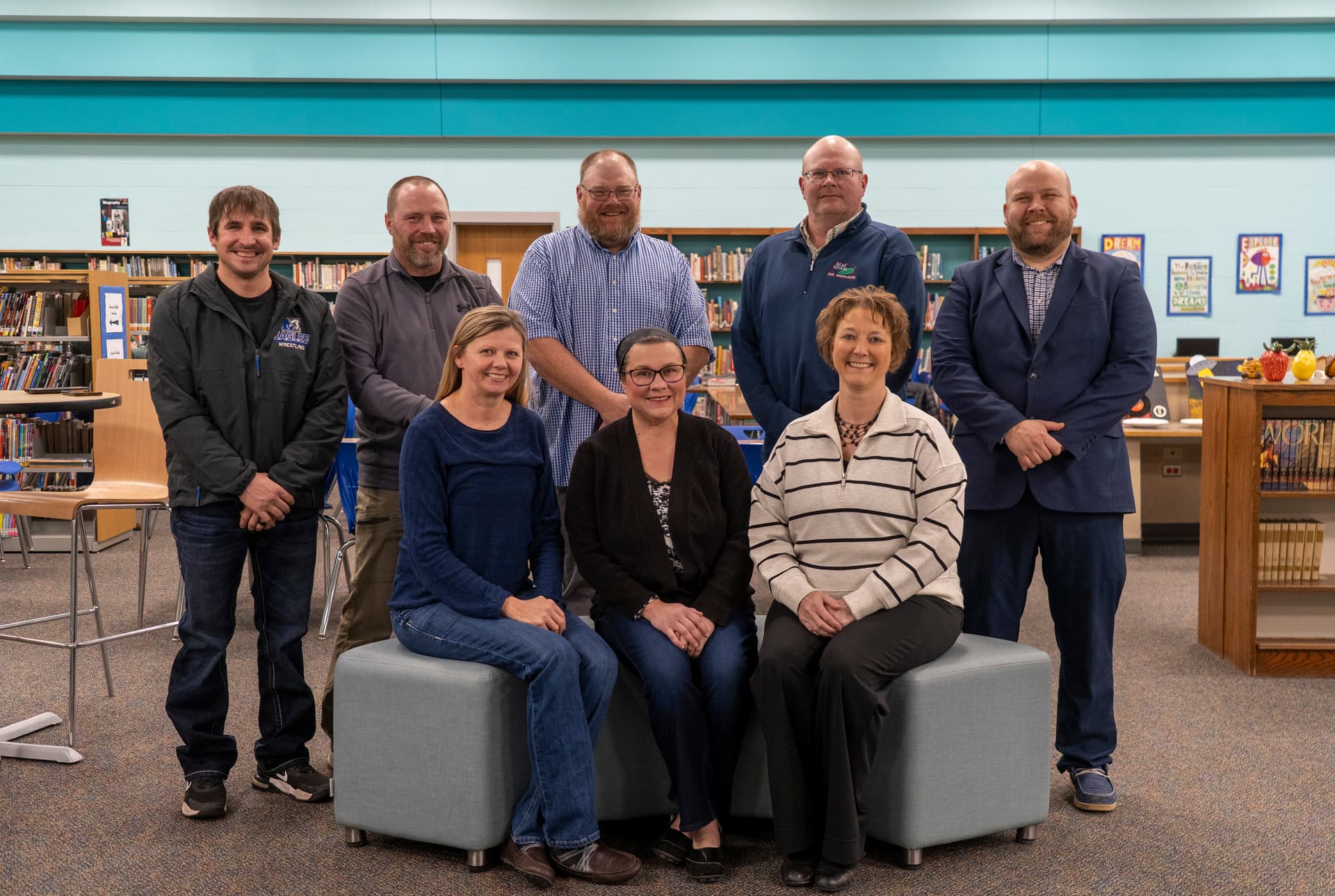
The district’s main office is at 209 Hayes Avenue in New York Mills, and the school board includes Amy Mursu, Kristina Ehnert, Derek Braukmann, Jodi Seelhammer, Derek Geiser, Brian Schermerhorn and Ethan Kern, with Superintendent Adam Johnson listed on the board page. The board meets the fourth Monday of most months, and summer meetings are held at 4:30 p.m.
The referendum lands in a community of about 3,681 people, where school buildings are among the most visible public assets. ACS-ED housing data for the district show 34.8% of local housing structures were built before 1970, 44.0% between 1970 and 1999, and 21.1% in 2000 or later, a profile that helps explain why facility upkeep and modernization can become a recurring local issue.
Minnesota law will require the ballot to spell out the project description, estimated total cost, whether the project received a positive or negative review and comment from the commissioner, the maximum levy as a percentage of net tax capacity, the amount raised in the first year and the maximum number of years the levy would apply. For New York Mills voters, the next months will determine whether the district gets the money to move ahead or has to keep working with the buildings it has.
This article was produced by Prism’s automated news system from verified source data, official records, and press releases, then run through automated quality and moderation checks before publishing. The system is built and supervised by the people who set the standards it runs under. Read our full AI policy.
Did this article answer your question?