Otter Tail County fire departments train for electric vehicle fires
Otter Tail County fire departments are building EV-fire tactics around lithium-ion battery risks, as county emergency planners and federal guidance push new response training.
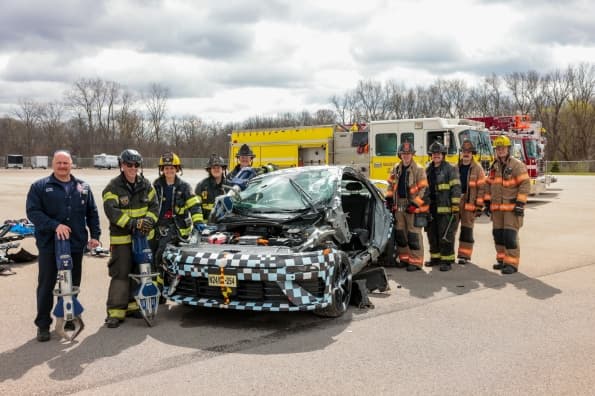
Otter Tail County fire departments are preparing for electric vehicle fires as county emergency planners fold the hazard into broader all-risk response work. The county’s 2021 Multi-Hazard Mitigation Plan, approved April 15, 2022, lists Patrick Waletzko as emergency management director, putting EV incidents inside the same planning framework used for storms, wrecks and other public-safety calls across Fergus Falls, Pelican Rapids and the county’s rural roads.
The federal fire-service playbook has sharpened around the same problem. The U.S. Fire Administration posted its “Tactics for Responding to Alternative Fuel Vehicle Incidents” on Feb. 29, 2024, then followed with “Electric Vehicle Fire/Rescue Response Operations” in July 2025. Those materials reflect a shift in day-to-day firefighting: EV fires are not treated as ordinary engine fires because the battery pack can burn differently, spread heat inside the pack and complicate overhaul after the visible flames are knocked down.
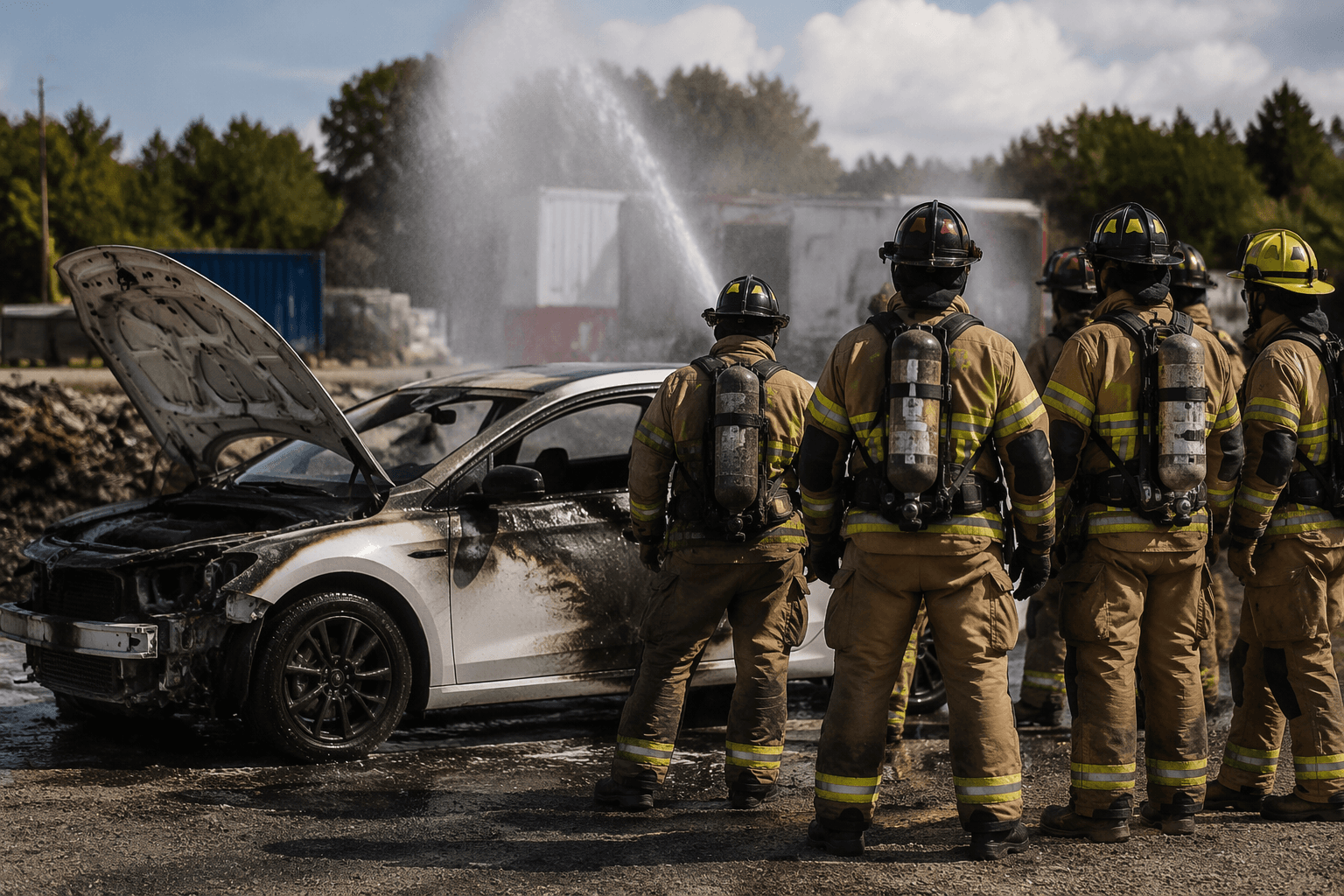
The National Fire Protection Association says damaged lithium-ion batteries can enter thermal runaway, an unstoppable chemical reaction in which cells heat rapidly and can trigger other cells. NFPA also says water is the dominant strategy taught in its training for cooling a damaged battery in thermal runaway. That matters for local crews because the response can require more water, more time on scene and more coordination than a conventional gasoline vehicle fire, especially if a battery keeps heating after the first knockdown.
Federal training resources are aimed at exactly that problem. The U.S. Department of Energy’s Alternative Fuels Data Center offers electric-vehicle safety training materials for first and second responders, and a June 14, 2024 text version documents a DOE segment titled “Training First Responders on Lithium-Ion Battery Fires.” The message is consistent across those resources: responders need to identify the vehicle, isolate the scene, protect themselves from battery hazards and know what to do after the initial flame event is under control.
For Otter Tail County, that means EV readiness is tied directly to staffing, gear and mutual-aid planning. A department that can handle a sedan fire in minutes may need different tactics and longer training time for a battery-powered vehicle, especially in winter conditions and across long rural distances. In Fergus Falls and the smaller cities that depend on countywide response, the question is no longer whether EV fires will happen, but how much equipment, training and taxpayer support it will take to meet them safely.
This article was produced by Prism’s automated news system from verified source data, official records, and press releases, then run through automated quality and moderation checks before publishing. The system is built and supervised by the people who set the standards it runs under. Read our full AI policy.
Did this article answer your question?