Otter Tail County Historical Society offers research tools for family history
Otter Tail County residents can use the historical society’s research library to trace surnames, townships, cemeteries and home-place stories in one Fergus Falls stop.
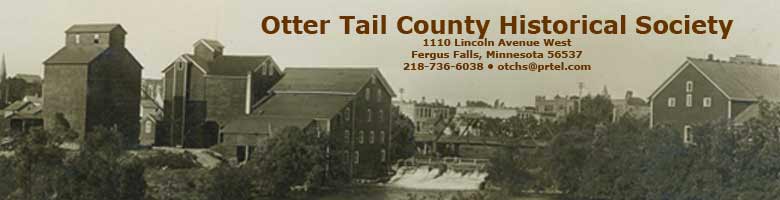
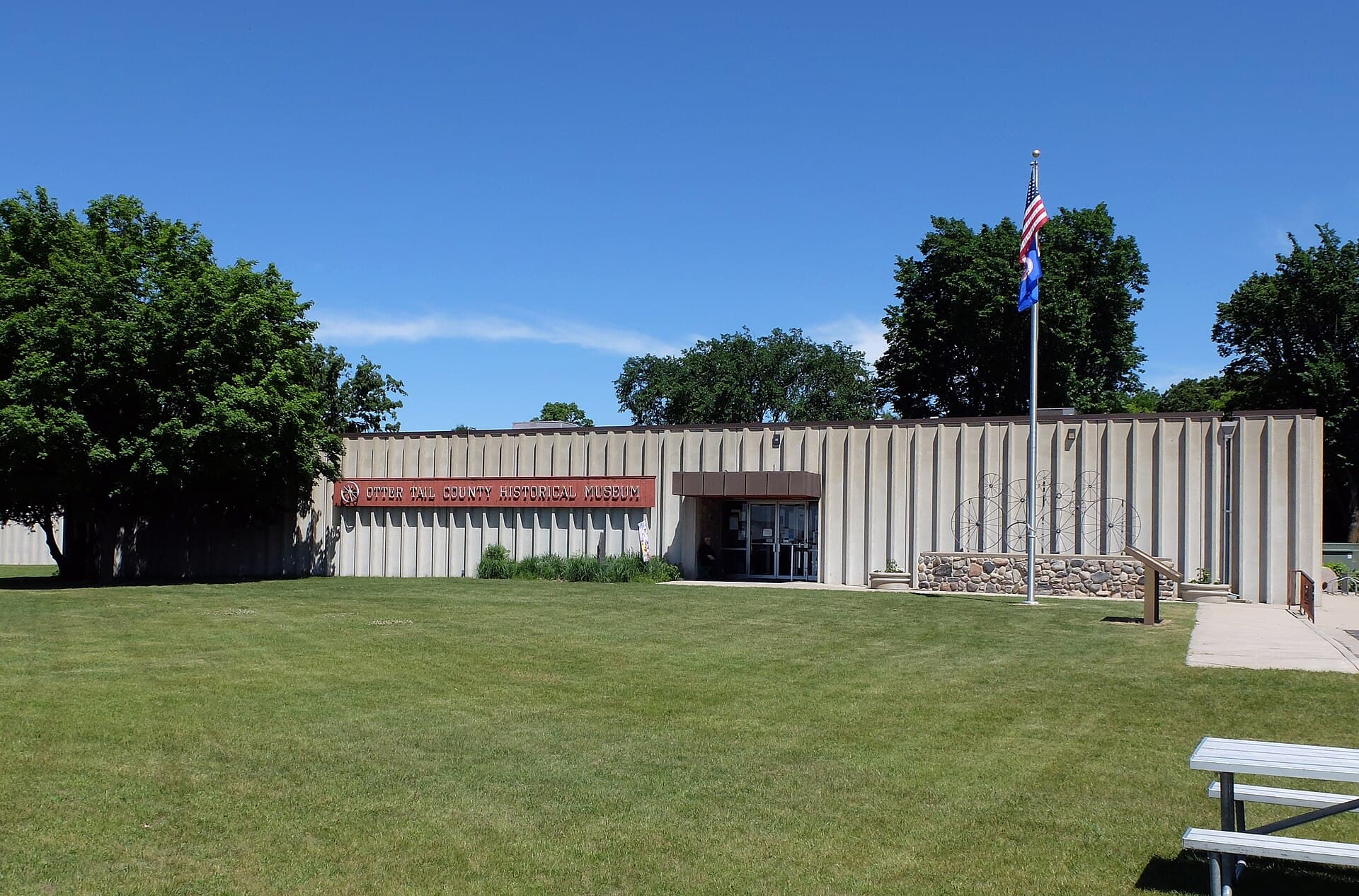
At the Otter Tail County Historical Society in Fergus Falls, the research library gives residents a practical place to look up family names, township stories, cemetery information and old records that still shape how the county remembers itself.
The museum and research library are open Tuesday through Friday from 10 a.m. to 4 p.m., and the facility sits in Van Dyke Park at 1110 Lincoln Ave. W. in Fergus Falls, Minnesota 56537. The telephone number is 218-736-6038 for visitors heading in with a surname, a farm name or a question about a place that no longer looks the way it once did.
What the research library can help you find
The research library offers online search tools for family history and genealogy. The tools can help connect a name on a gravestone, a line in a county history, or a memory handed down in the family with a place in Otter Tail County.
The site also offers a cemetery search, a multi-index search, digital books, library resources, cemetery lists and microfilm resources. The society functions as a working reference point for people trying to answer specific questions about ancestors, township development, schools, churches or former businesses that once anchored a rural neighborhood.
Vicky Anderson is the research assistant for questions about microfilm resources and online search access. She is the first contact for visitors who already know the family line they are chasing, or for those who need help figuring out where to begin among the library’s indexes and record sets.
A county archive with everyday uses
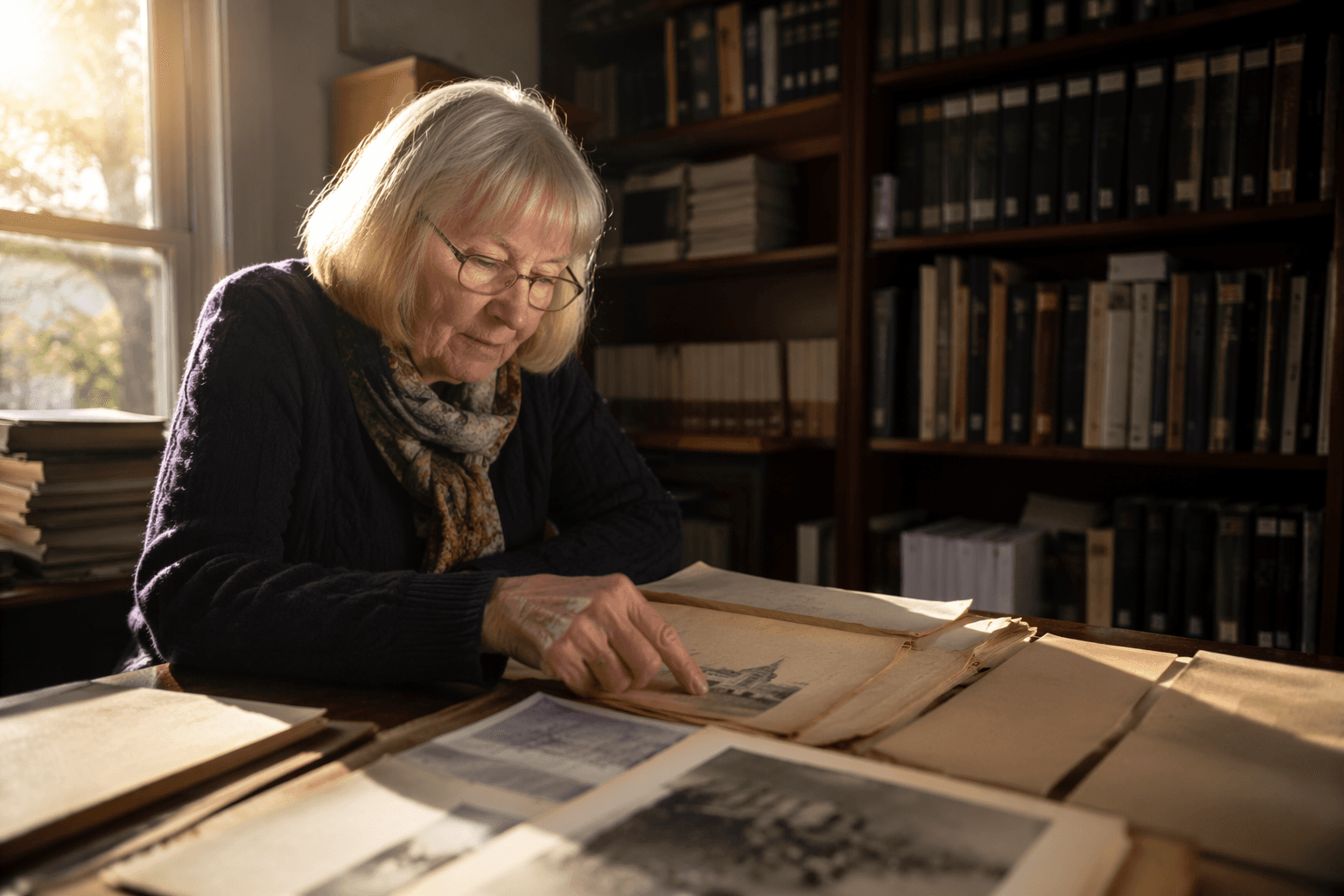
The collection includes photographs, printed materials and artifacts related to Otter Tail County history, which gives researchers multiple ways to build a fuller picture of a family or a property. A deed, a photo, a church note, a school record or a newspaper clipping can each fill in a different part of the same story.
The Minnesota Digital Library includes more than 130 images contributed by the society documenting the early development of Otter Tail County in west central Minnesota. The society’s holdings are part of a larger public archive.
Its online index is growing daily through the work of virtual volunteers. The society also asks donors to help cover the cost of making more resources available online.
What to look for inside the museum
The museum side of the institution gives shape to the records. Permanent exhibits include Wildlife, Native American History, Wigwam, Main Street Saloon and Settlement Parlor. The displays place documents and family stories inside the county’s broader development, from early settlement to the business and cultural life that followed.
The society also offers rotating and traveling exhibits, and it invites groups to exhibit there. The space serves as a community display venue where local organizations, families or researchers can bring a story forward for public viewing.
Who benefits most from a visit
The research library is useful to several kinds of people at once. Family researchers can use the genealogy search tools to trace surnames and cross-check details in cemetery lists or microfilm. Newcomers can use township history materials to understand how a community formed and why roads, schools and churches sit where they do. Longtime residents can use photographs and printed materials to verify old stories about a farm, a former business or a neighborhood that has changed shape over time.
Missy Hermes is the education coordinator, and she handles questions about educational programs, tours and lessons or kits. The society is useful for classrooms, community groups and anyone putting together a local history unit or a guided visit.
One township may be known through a cemetery list, another through a photo collection, another through a church or school reference in the index.
How to start your own search
A first visit works best when you bring a few concrete details: a family surname, a township name, a cemetery name, a farm location or the name of a church, school or business connected to the person you are researching. From there, the society’s online search tools can point you toward family history materials, township history resources, cemetery listings and microfilm.
If you need help with the process, Vicky Anderson handles research-library questions and Missy Hermes handles educational programs, tours and lessons or kits. The address in Fergus Falls and the Tuesday through Friday schedule make the institution easy to plan around, and the Van Dyke Park location gives it a fixed point on the map for people who want to move from online searching to on-site research.
This article was produced by Prism’s automated news system from verified source data, official records, and press releases, then run through automated quality and moderation checks before publishing. The system is built and supervised by the people who set the standards it runs under. Read our full AI policy.
Did this article answer your question?