Otter Tail County moves $20,000 to equip Sprint Paramedic program
Commissioners moved $20,000 in unused Sprint Paramedic grant money after the original budget left general equipment short. The fix is meant to ready the pilot for field use.
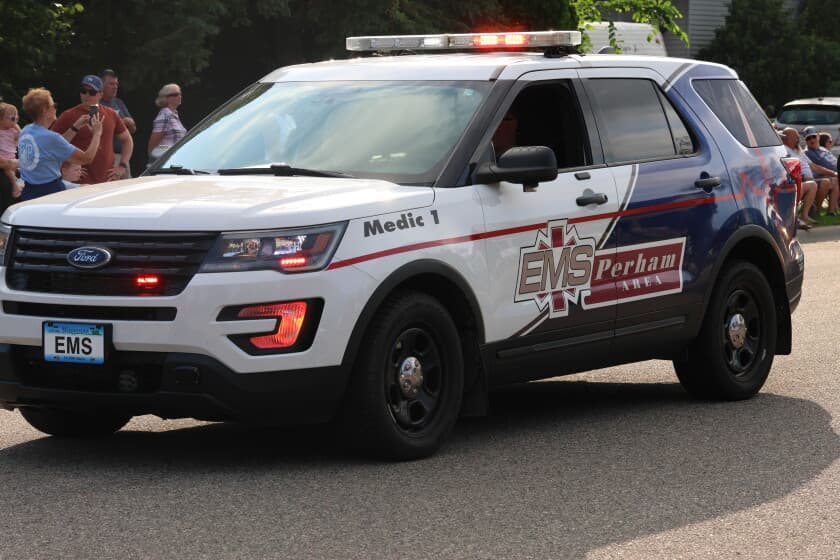
Otter Tail County commissioners approved shifting $20,000 in unused Sprint Paramedic grant funds to cover general equipment needs, after county officials said the original budget did not set aside enough money for that category. The move is meant to keep the new response model stocked for actual field work, not just launch it on paper.
The budget adjustment comes as Otter Tail County and Grant County begin building the Sprint Paramedic Pilot Program, a state-backed rural EMS effort that is expected to deploy up to three rapid response units. On Nov. 5, the Otter Tail County Board of Commissioners approved a grant agreement with the Minnesota Emergency Medical Services Regulatory Board, giving Otter Tail County the role of fiscal agent for the two-county pilot. The Minnesota Legislature enacted the program during its 2024 session.
That setup helps explain why a relatively small reallocation matters. General equipment costs can include the practical items that make a response unit usable day to day, and county officials said the original grant budget was too narrow in that area. By moving the unused money, commissioners are filling a gap before the program is fully operational.
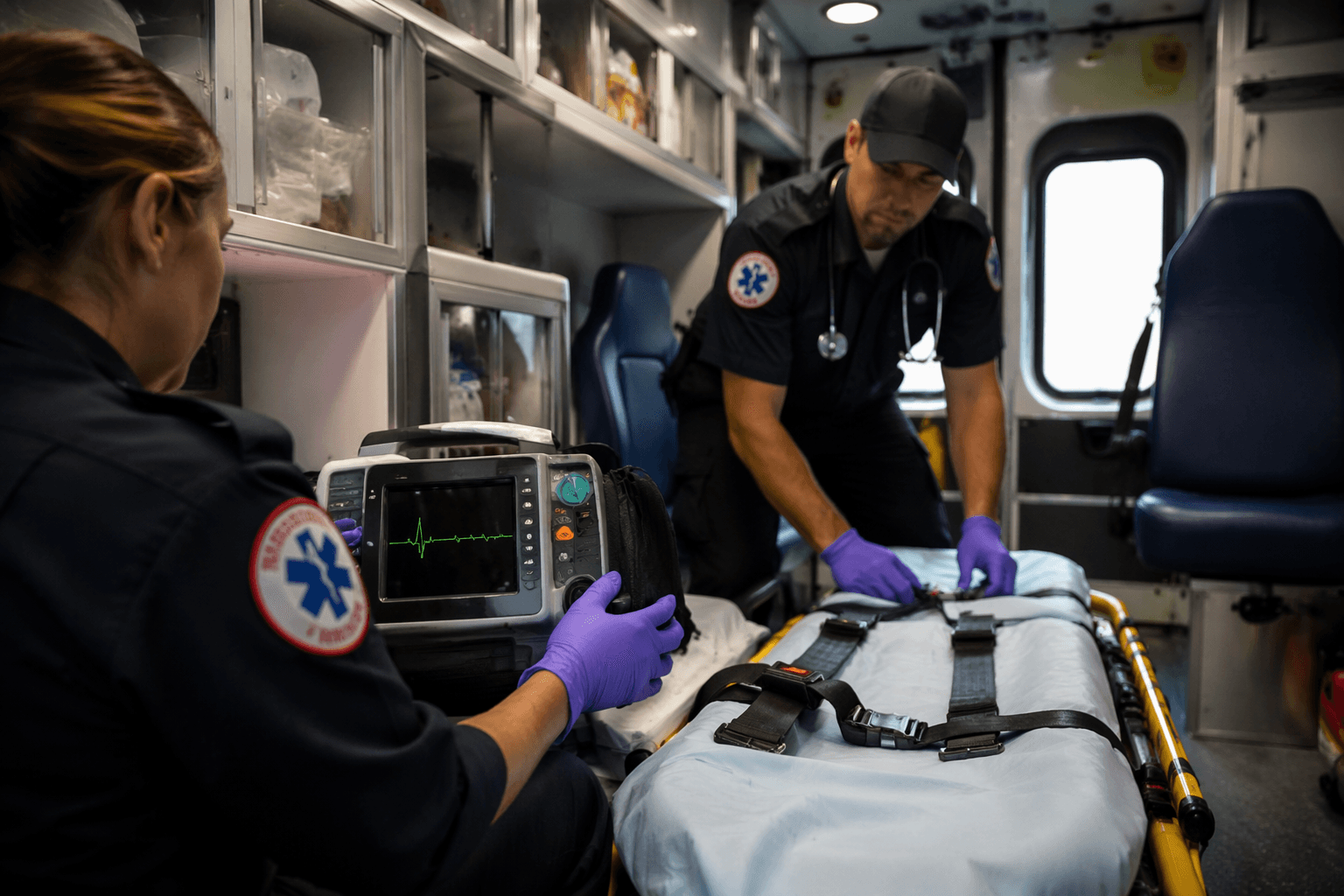
Otter Tail County’s own public-safety materials show how spread out the system is. The county says it works with eight ambulance services, and its emergency-service zones cover both emergency and non-emergency calls across the county’s large rural area. County leaders have also taken separate steps to protect emergency medical services in the Pelican Rapids area, underscoring that coverage and response times remain an active concern in that part of the county.
The Sprint Paramedic pilot sits inside a wider county emergency network that includes Otter Tail County Public Health, the Otter Tail County Sheriff’s Office, the highway department, dispatch, fire departments, police departments, and health systems such as Lake Region Healthcare, Perham Health and Sanford. That countywide readiness structure reflects the reality of rural response: any new unit has to fit into a system that already depends on multiple ambulance services, separate jurisdictions and long transport distances.
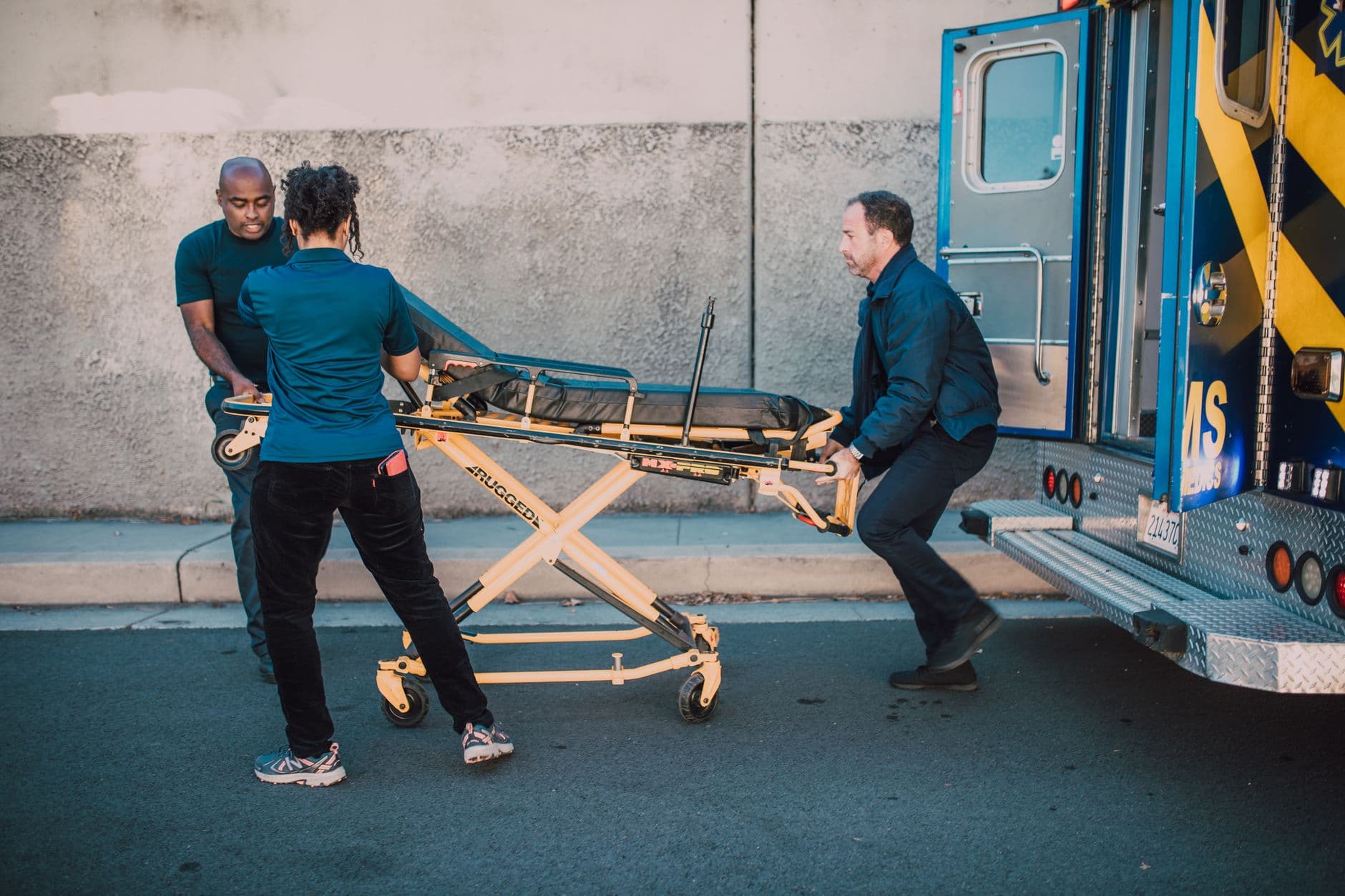
The $20,000 shift does not change the program’s design, but it does change its readiness. Instead of leaving grant dollars unused, commissioners put the money toward the equipment needed to get the Sprint Paramedic units into service with fewer gaps.
This article was produced by Prism’s automated news system from verified source data, official records, and press releases, then run through automated quality and moderation checks before publishing. The system is built and supervised by the people who set the standards it runs under. Read our full AI policy.
Did this article answer your question?