Otter Tail County races reflect renewed fight over Minnesota endorsements
Otter Tail County Republicans are back in a fight over endorsements as the August 11 primary nears, raising questions about what party backing still means.
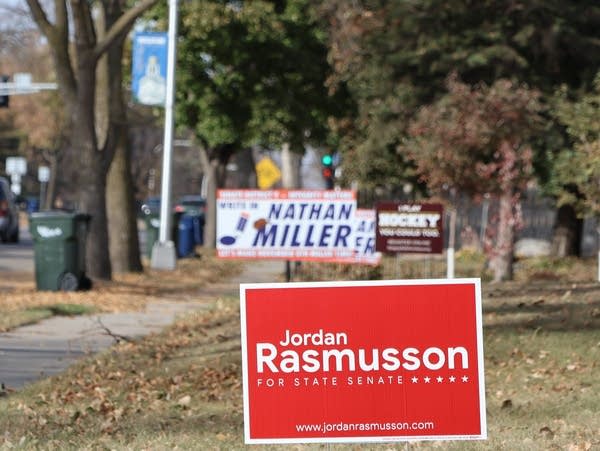
Otter Tail County Republicans are heading into another campaign season with one central question unresolved: whether party endorsements still mean anything when candidates can still fight on to the Aug. 11 primary.
The filing period for Minnesota’s 2026 state and federal races ran from May 19 through June 2, with withdrawals due June 4. The Minnesota Secretary of State says the primary determines which candidates appear on the November general-election ballot, which means a party endorsement no longer guarantees a clear path. The state’s caucus guidance still encourages voters to take part in the endorsement process that leads to state party conventions, but the Otter Tail County feud has made that process look increasingly fragile.
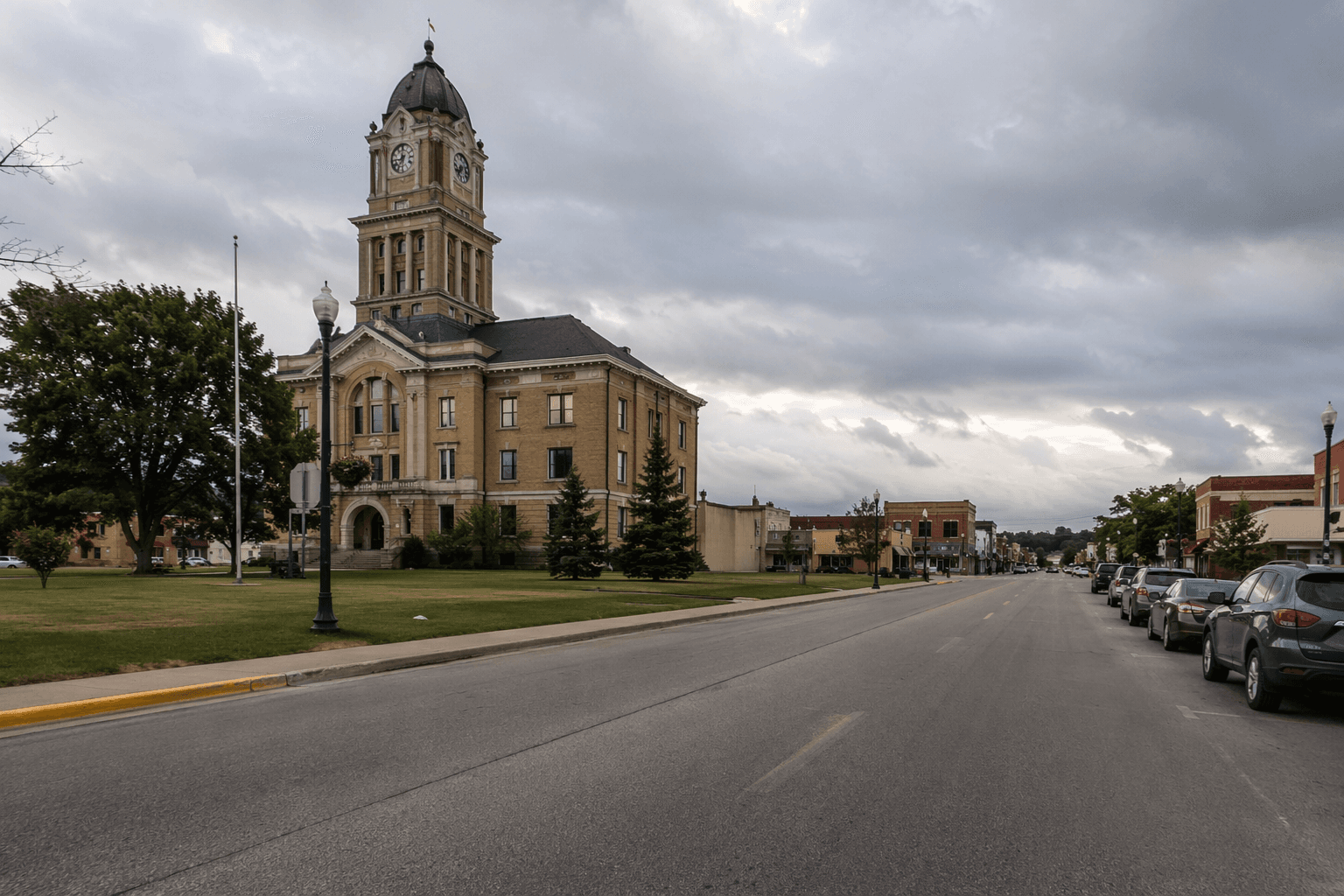
In Otter Tail County, conservative activists calling themselves the Otter Tail County Grassroots have fought the local party for years over endorsements. Local coverage has said the group accused party leaders of fraud when preferred candidates lost and staged protest votes against GOP nominees. The conflict escalated in early 2024 when activists took over precinct caucuses in two county cities, removed the people running the meetings and later held their own unsanctioned convention.
Minnesota GOP chair David Hann then said no legitimate elections occurred in Otter Tail County and that delegates elected in 2022 would remain in place. At least four Republican legislators later urged the state party to reverse that decision, and Reps. Jeff Backer and Tom Murphy, who represent parts of Otter Tail County, publicly disputed the party’s ruling.
The stakes extend beyond one county. The corridor from Alexandria to Fergus Falls, Detroit Lakes and Pelican Rapids has become a hotspot in the broader clash between institutional Republicans and anti-establishment activists. In 2024, that fight spilled into Minnesota’s 7th Congressional District, where a far-right group of Otter Tail County Republicans helped block the party from endorsing incumbent U.S. Rep. Michelle Fischbach and instead pushed Steve Boyd, an Alexandria businessman who framed his campaign in explicitly religious terms.
That history matters heading into 2026 because endorsements still shape donor attention, volunteer energy and candidate legitimacy even when they do not decide ballot access. For Otter Tail County voters, the practical test is simple: a candidate with the endorsement may have the party label, but the primary will still decide who stays alive in the race. For candidates, the county’s continuing revolt shows that winning the room at a convention does not end the fight, and losing it does not necessarily end a campaign. Minnesota Republicans have not won a statewide race since 2006, and the Otter Tail County dispute is now one of the clearest signs that internal divisions remain unsettled.
This article was produced by Prism’s automated news system from verified source data, official records, and press releases, then run through automated quality and moderation checks before publishing. The system is built and supervised by the people who set the standards it runs under. Read our full AI policy.
Know something we missed? Have a correction or additional information?
Submit a Tip