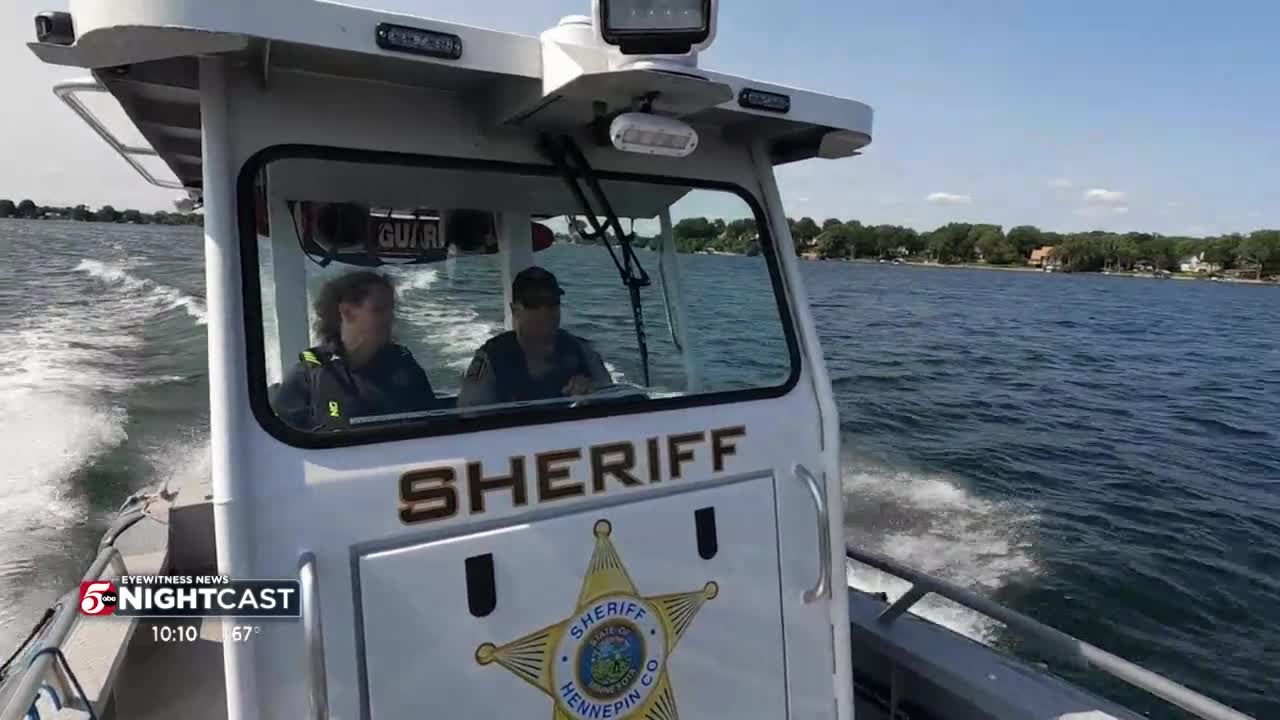
Otter Tail County warns lake-goers to hydrate during extreme heat
Water Patrol urged lake-goers to drink 8 ounces every 15 to 20 minutes as July heat raised the risk on Otter Tail County lakes.

Otter Tail County Water Patrol used the weekend heat to warn lake-goers that water can make heat exposure worse, not better. Deputy Troy Lee warned that people often assume a swim will cool them down, but the sun reflecting off the lake can make time outside feel more intense than it does on land.
The warning landed during one of the busiest stretches of the summer in Otter Tail County, where July is the hottest month of the year and one of the busiest for lakes, trails and parks. The county’s Water Patrol monitors safe boating conditions on the lakes, rivers and waterways throughout the boating season, and its deputies also conduct safety inspections of rental, lease, charter and resort watercraft.
The Minnesota Department of Health calls extreme heat the deadliest weather-related hazard in the United States and says heat-related illnesses and deaths are largely preventable. The state warns that extreme heat events are expected to become more common, more severe and last longer as the climate warms.
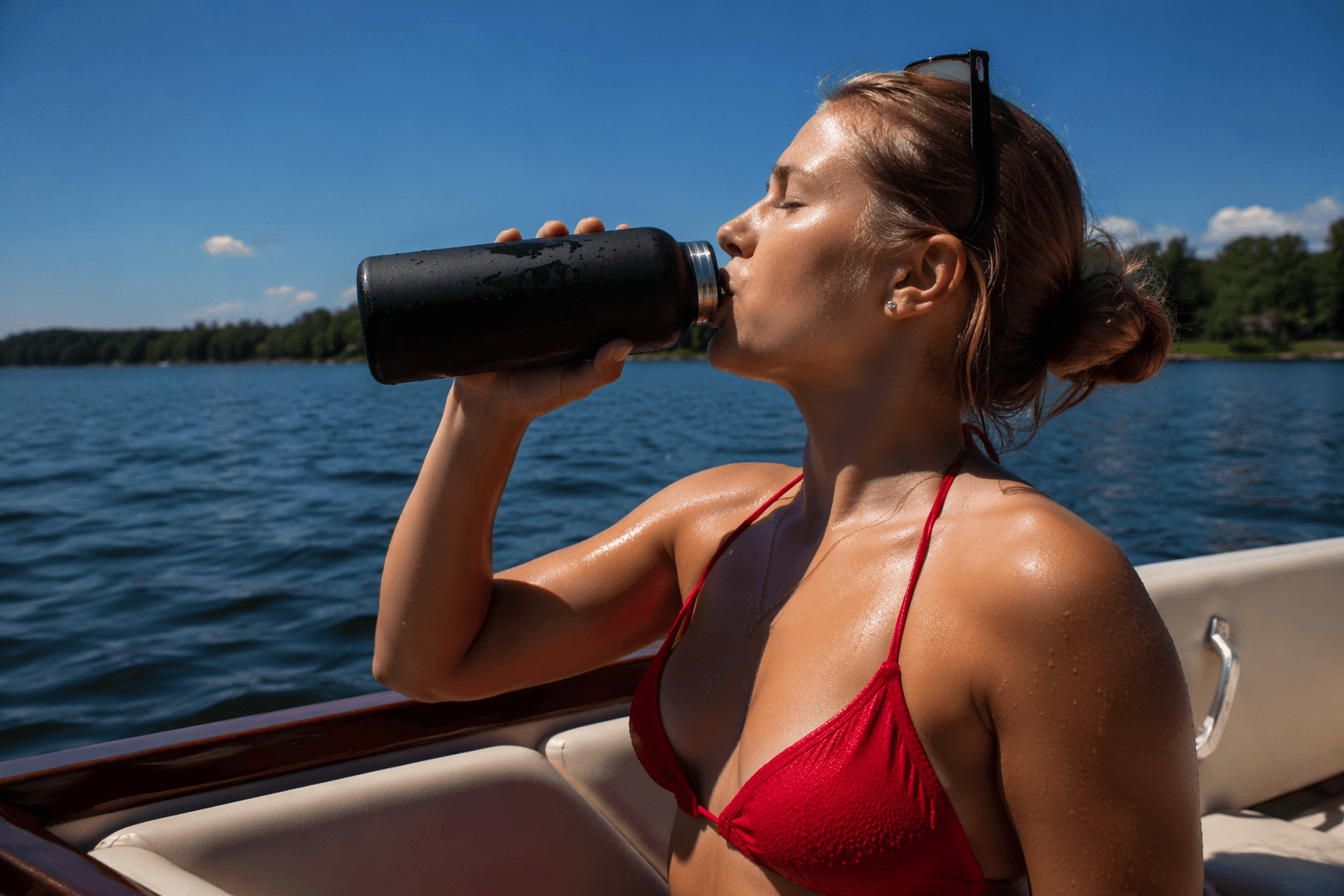
CDC heat guidance recommends drinking 1 cup, or 8 ounces, of water every 15 to 20 minutes during heat. The National Weather Service flags children, older adults, people who overexert and people taking certain medications as higher-risk groups when temperatures climb.
On Otter Tail County lakes, long afternoons on boats, docks and shorelines can quietly add up to dehydration and fatigue. The county’s public-safety messaging is aimed at swimmers and boaters who may underestimate how quickly heat and reflected sunlight can wear them down, especially when they stay outside for hours instead of taking breaks in the shade.
The Minnesota Department of Natural Resources provides boating guides and safety information for people using Minnesota waters, and it increases law-enforcement attention around the Fourth of July through Operation Dry Water, the national campaign to keep impaired boaters off the water.
This article was produced by Prism’s automated news system from verified source data, official records, and press releases, then run through automated quality and moderation checks before publishing. The system is built and supervised by the people who set the standards it runs under. Read our full AI policy.
Did this article answer your question?