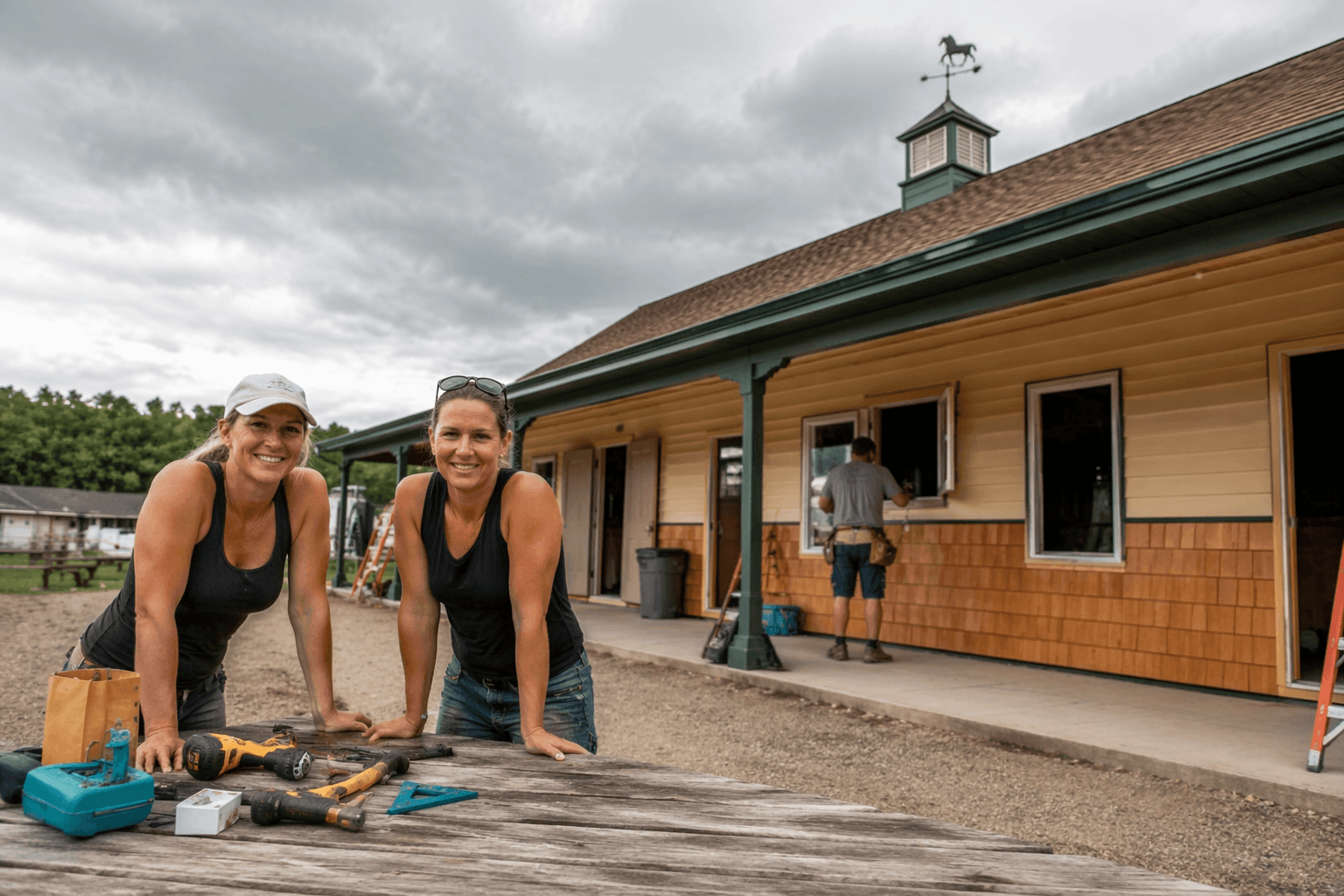
Otter Tail County weighs data center growth, water and energy concerns
Perham-area towns could gain tax base and construction work from data centers, but county leaders may have to weigh power, water and lakes-country impacts first.
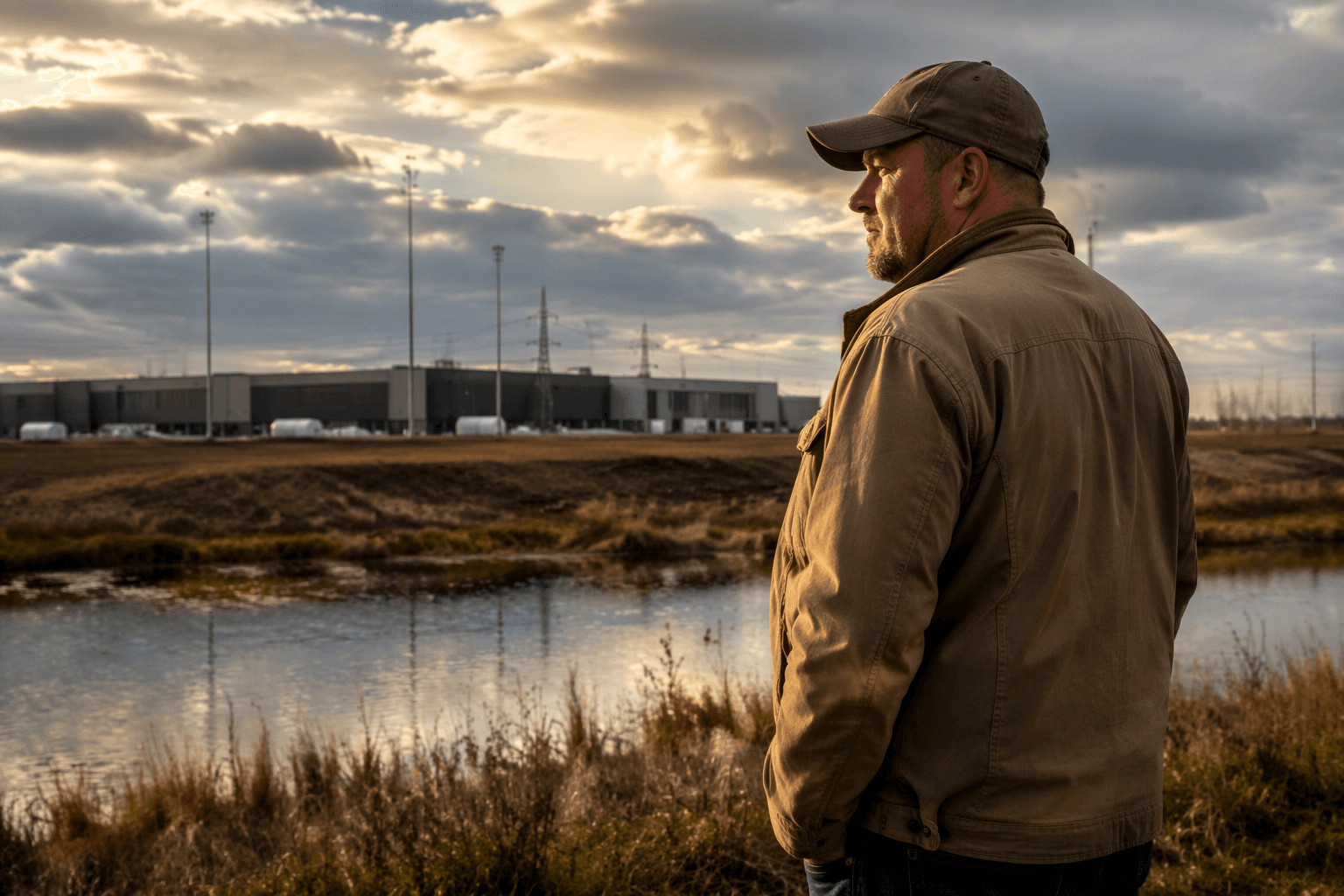
The question facing Perham and the lakes region is not whether data centers are coming to Minnesota. It is whether Otter Tail County can shape a project so the promised growth outweighs the pressure on water, power and land. With at least a dozen hyperscale facilities proposed statewide and lawmakers leaving St. Paul without new restrictions, local boards are being pushed to make some of the hardest calls themselves.
Why the issue is landing here now
Minnesota’s data center debate has moved quickly because the projects are tied to the broader surge in artificial intelligence and cloud computing. That surge has put pressure on communities far beyond the Twin Cities, and local fights have already surfaced in Hermantown, Pine Island, Faribault and Rosemount. A proposed facility near Worthington was rejected by Nobles County commissioners after opposition intensified, a reminder that rural counties are not simply watching the debate from the sidelines.
For Otter Tail County, the timing matters. Data centers are often sold as clean, high-value economic development, but the local questions are much messier. County leaders may be asked to decide how much land to commit, what setbacks are enough, how infrastructure will be paid for, and whether the long-term tradeoff makes sense for a place where lakes, cabins and quiet roads are part of the economic identity as much as any industrial site.
Where county power really matters
Even when a county does not control every part of a project, it usually handles the practical decisions that determine whether a proposal can move ahead. That means zoning, land use, setbacks, and site-plan review often end up at the county level, where local officials must translate a developer’s broad promise into a specific set of rules.
The National Association of Counties says county leaders play a central role in contextualizing proposals and balancing projected economic benefits with community well-being. In plain terms, that means asking whether a project’s tax base and short-term construction activity are worth the water demand, electricity demand and infrastructure commitments that may last far longer than the building phase. For a county like Otter Tail, those questions are not abstract. They affect roads, utility corridors, shoreline views, and whether neighboring homes or lake properties end up living next to a massive industrial use.
What supporters are likely to promise
Supporters of a data center usually start with the upside: a larger tax base, construction work, and more business activity. In a county economy, that can mean work for contractors, electricians, equipment suppliers, truckers, restaurants and lodging businesses during the buildout. Once a project is operating, supporters argue that the facility can help anchor new investment and bring in revenue without the same foot traffic or retail churn that other developments might create.
That case is strongest when local leaders can secure concrete commitments. If the project truly means new private investment, local residents should know who benefits first, when the money arrives, and how much of the gain stays in Otter Tail County instead of flowing out to outside owners and vendors. The promise is not just about one building. It is about whether the county can turn an industrial-scale project into steady local value.
What neighbors may have to absorb
The costs can be quieter but harder to reverse. Minnesota’s broader debate has centered on water use, energy demand, environmental review and transparency, and those are the same pressure points that matter in the lakes region. Data centers can require substantial electricity, and their water needs, while often presented as manageable, can still become a public issue when they compete with other demands or raise questions about local supply.
That is why residents near Perham should look beyond the building footprint. A project can reshape nearby land use, increase traffic during construction, create noise from cooling equipment, and alter the feel of a rural corridor even if it never resembles a smokestack factory. In lake country, quality-of-life concerns are not cosmetic. They are part of property values, tourism, cabin use and the everyday sense of place that keeps families and seasonal visitors invested in the area.
Questions officials should answer before any vote
Before a proposal moves forward, county leaders and neighbors should press for clear answers on a few basic points:
- Where will the electricity come from, and what upgrades will be needed to serve the site?
- Who pays for new transmission, substation or road work, the developer, taxpayers, or utility customers?
- What is the water source, how much will be used, and what happens during dry periods or peak summer demand?
- What setbacks, buffers and site design standards will protect nearby homes, cabins and shoreline properties?
- How much land will the project consume, and what will it do to adjacent farms or future development pressure?
- What specific tax revenue, construction jobs and long-term jobs are guaranteed, and for how long?
- What level of environmental review and public disclosure will happen before final approval?
Those are not anti-growth questions. They are the minimum questions a county should ask before agreeing to something that could shape a corridor for decades.
What the rest of Minnesota has already shown
The fights in Hermantown, Pine Island, Faribault and Rosemount show how fast the politics can change once residents connect a data center proposal to their own streets, wells and utility bills. The rejection near Worthington also shows that local opposition can matter when county commissioners decide the project no longer fits the community’s risk tolerance. Minnesota lawmakers have so far left communities without a new statewide framework, which means local governments remain the front line.
That leaves Otter Tail County with a choice that is economic, environmental and deeply local at the same time. A data center could widen the tax base and bring a burst of construction spending, but only if the county is willing to demand firm limits on water use, energy impacts and land-use pressure. In a place where the lakes region defines the stakes as much as any balance sheet, that tradeoff will decide whether growth feels like opportunity or displacement.
This article was produced by Prism’s automated news system from verified source data, official records, and press releases, then run through automated quality and moderation checks before publishing. The system is built and supervised by the people who set the standards it runs under. Read our full AI policy.
Did this article answer your question?