Otter Tail County yard becomes monarch butterfly sanctuary
A local yard in Otter Tail County now feeds monarchs with native milkweed and nectar plants. The habitat comes as prairie loss and declines raise the stakes.

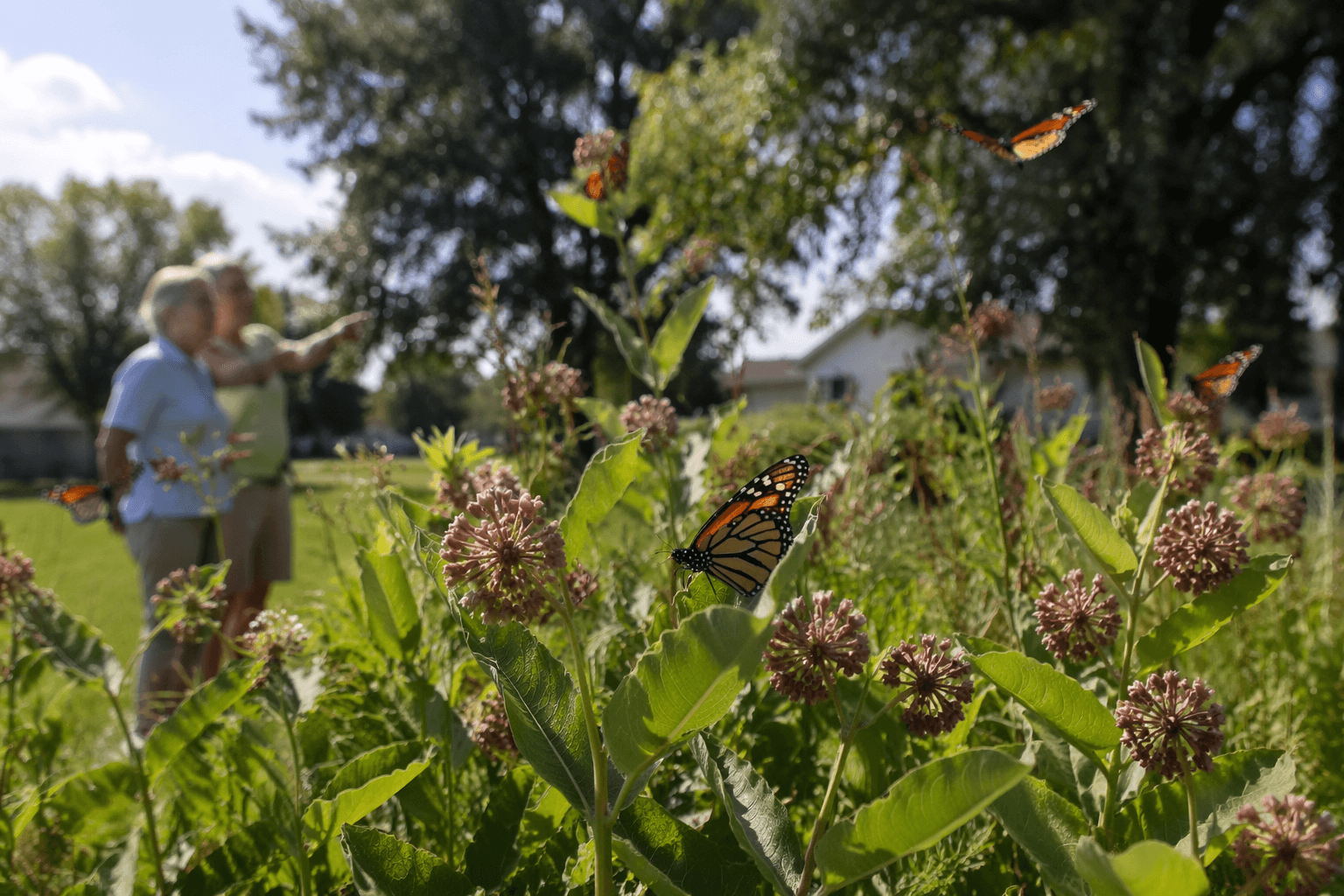
A backyard in Otter Tail County has been turned into a monarch butterfly sanctuary, giving native pollinators a place to feed and breed in the middle of a residential yard. The project rests on a simple formula that conservation groups repeat across Minnesota: monarch caterpillars eat only milkweed, while adult butterflies need native nectar plants to survive and move through the season.
That matters here because monarchs are part of Minnesota’s summer landscape, showing up in backyards, parks and rural areas across the state. Minnesota adopted the monarch butterfly as its official state butterfly in 2000, but conservation groups say habitat loss, pesticide exposure and climate change have pushed the species into decline. With less than 2% of Minnesota’s native prairies remaining, the small habitat patches that survive in yards and gardens are drawing more attention from landowners who want to help.
The pressure on the species has also reached federal regulators. The U.S. Fish and Wildlife Service proposed in December 2024 to list the monarch butterfly as a threatened species under the Endangered Species Act, and the public comment period ran through March 12, 2025. At the same time, winter 2024-25 monarch populations in Mexico occupied 1.79 hectares, up from 0.9 hectares the previous winter, a rebound that still fits within a longer decline tracked by conservation groups and partners working in Mexico.

In Otter Tail County, the conservation pitch is tied to the county’s own planning. The county says protecting natural resources is part of its long-range strategic plan, and its environment and natural resources department emphasizes wetlands and wildlife habitat. Otter Tail County is also among the Minnesota counties where landowners can enroll in monarch habitat conservation programs, a route for residents who want to turn a strip of lawn into something that supports pollinators.

The practical steps are straightforward and inexpensive. Native milkweed belongs in any monarch yard because it is the only plant monarch caterpillars can eat. Native nectar plants give adults food later in the season, and reducing pesticide use helps keep both insects and host plants alive. Around Otter Tail Lakes Country, monarch-tagging events add another layer to the work by helping experts track trends and recommend conservation strategies, turning backyard effort into data that can shape the next round of habitat decisions.
This article was produced by Prism’s automated news system from verified source data, official records, and press releases, then run through automated quality and moderation checks before publishing. The system is built and supervised by the people who set the standards it runs under. Read our full AI policy.
Did this article answer your question?