Ottertail's wooden otters become a growing tourism attraction
Seven carved otters are turning Ottertail’s name into a downtown scavenger hunt, luring visitors to stop, snap photos and spend time in town.
Ottertail is turning a clever name into a visible tourism identity, one wooden otter at a time. The city’s growing lineup of carved statues now works as both public art and a self-guided photo trail, giving visitors a reason to move between businesses, look for the next figure and linger downtown instead of just passing through.
A town built for an otter brand
The fit starts with the name itself. Ottertail was originally called Otter Tail City, was settled by trappers who traded with Native people in the area, served as the county seat until 1872, and was platted in 1903 after taking its name from nearby Otter Tail Lake. That history gives the otter theme a local logic that goes beyond novelty.
The scale of the county helps explain why the branding has room to grow. Otter Tail County says it has 1,048 lakes, more than any other county in the United States, and the Otter Tail Lakes Country Association uses the line “Find Your Inner Otter” to sell the area as a lakes-and-road-trip destination. In the 2020 census, the city of Ottertail had 629 residents, while Otter Tail County had 60,081 people and an estimated 61,041 in 2025. That is a small-town footprint with a regional tourism pitch attached to it.
How the statues turned into a townwide trail
The project started with a simple idea from Ron Grobeck, who was inspired after seeing gnomes pop up in Dawson. Grobeck looked at Ottertail’s name and decided otters made more sense than garden ornaments for a town built around Otter Tail Lake and a county already leaning into the animal as a brand. What began as a playful branding choice became a more elaborate public-art project.
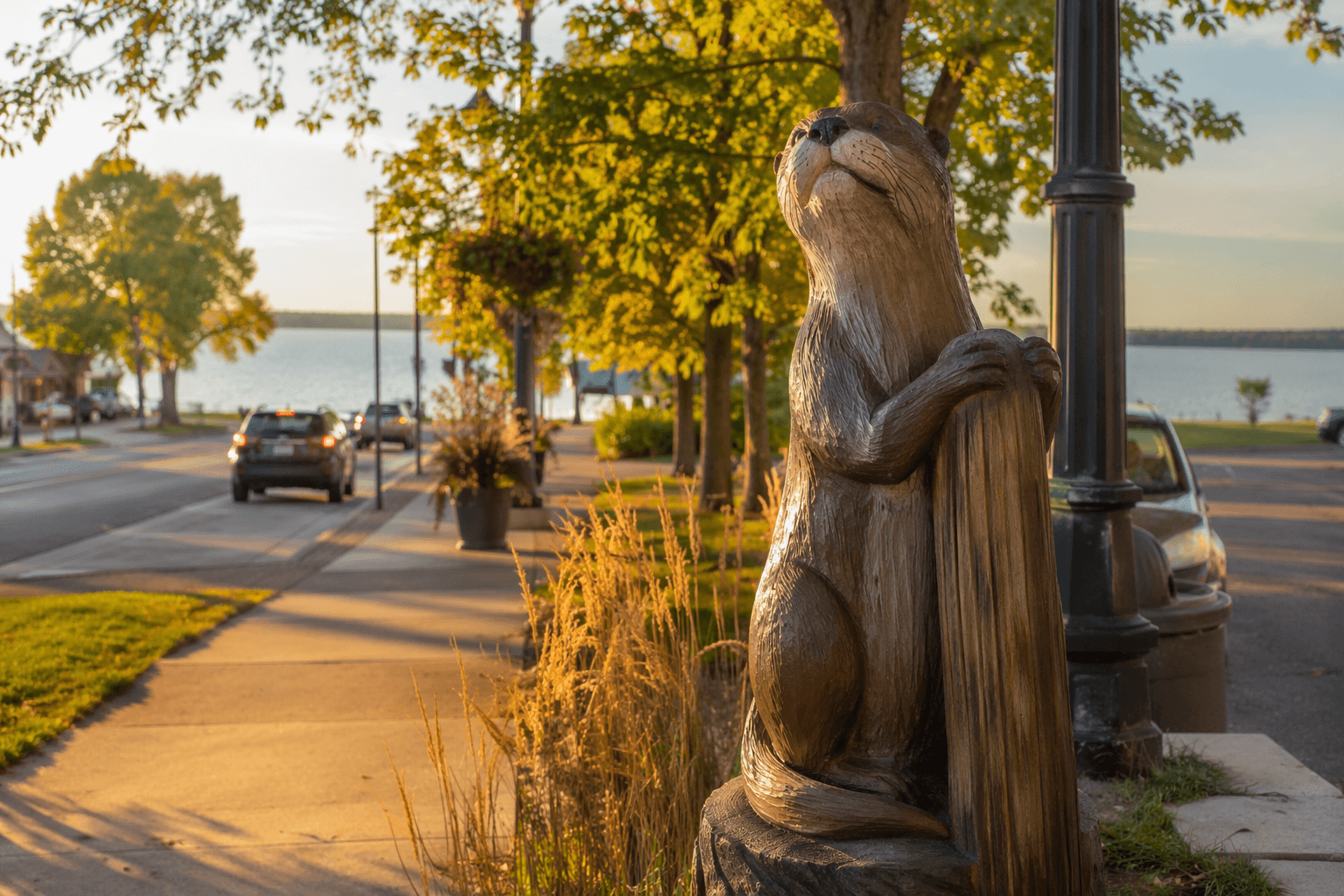
Ben Semler of Brainerd carved the statues, and the current lineup includes seven themed otters placed around town. Each one ties into the business or place where it stands, which is what makes the project work like a scavenger hunt instead of a static display. One at Thumper Pond is a golfer, another in front of Red Brick Boutique is a shopping otter, and the first otter debuted at Otterfest before later finding a permanent home inside Otter Supper Club.
That setup matters because it gives people a reason to visit more than one stop. A traveler can start with one statue, take a photo, then move on to the next storefront or attraction, which is exactly the kind of small-town circulation that can support local spending.
Where the otters are doing the most work
The statues are not spread around town by accident. They are placed where they can reinforce existing businesses and create a visible route through Ottertail, including stops tied to Thumper Pond, Red Brick Boutique and Otter Supper Club. The city is also planning more additions in 2026, including otters in the city park by the pavilion and along the paved walking path, which extends the idea beyond downtown and into a broader visitor experience.
That expansion gives the project a longer life than a one-time art reveal. Instead of peaking with a single unveiling, the otter trail is still unfolding, which keeps the town in a position to refresh the route, add new photo stops and give repeat visitors something new to look for.
The city’s broader tourism planning shows that this is part of a deliberate strategy, not a one-off whim. In city records from Oct. 21, 2021, Mayor Ron Grobeck discussed tourism ideas that included statues along the walking path, a very large Adirondack chair for photos and an “Otters in Action” concept. Those ideas were estimated at roughly $50,000 to $60,000 depending on materials and supplies, with the possibility of building in stages and using volunteers.
From branding to business traffic
The clearest value in the otter project is marketing value. Local businesses are using the statues as part of their own promotion, which turns the art into a shared asset rather than just a city decoration. That matters in a town where visitors already come for lakes, shops and roadside stops, because the statues give Ottertail a memorable identity that is easy to photograph, easy to share and easy to remember.
The effect is also practical. A family or couple following the otters is likely to stop at multiple places, and each stop creates the chance for another purchase, another meal or another photo shared on social media. In a place the size of Ottertail, that kind of built-in circulation can matter as much as a formal visitor campaign because it ties the town’s image directly to downtown foot traffic.
Part of a wider otter story in Otter Tail County
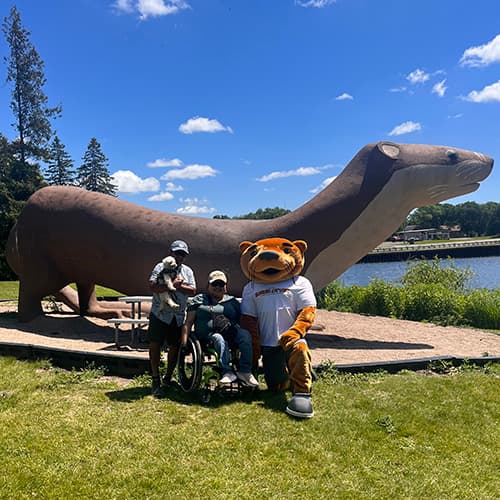
Ottertail is not the only place in the county using otters as a symbol. Fergus Falls has Otto the Otter, a 15-foot-tall, 40-foot-long sculpture in Adams Park near Grotto Lake that the Lakes Country tourism group describes as the world’s largest otter sculpture. Otto was built in 1972 by Fergus Falls High School students under Steve Jaenisch to commemorate the city’s centennial.
That broader regional context gives Ottertail an advantage. The town is not inventing an otter identity from scratch; it is joining a countywide story that already includes a recognizable mascot, a tourism slogan and a landscape built around water. In that setting, the wooden statues function as a small-town version of destination marketing: part public art, part scavenger hunt, part reason to stay downtown a little longer.
When to plan a visit
Otterfest remains the natural time to look for the otters, and the celebration is held the second weekend in August. The city calendar has listed Otterfest dates in August 2024 and August 2025, underscoring that the otter project is tied to a recurring civic event rather than a one-off stunt.
For visitors, the best approach is simple: start where the first otter arrived, move through the business stops that host the themed statues, and leave time for the newer additions as they appear near the pavilion and paved walking path. Ottertail’s wager is that a memorable name, a few carved figures and a well-marketed route can turn a small lake town into a place people seek out on purpose.
This article was produced by Prism’s automated news system from verified source data, official records, and press releases, then run through automated quality and moderation checks before publishing. The system is built and supervised by the people who set the standards it runs under. Read our full AI policy.
Did this article answer your question?