Perham writer releases book on Otter Tail Pillager history
Andrea Young’s new book on the Otter Tail Pillager sold for $15 at the East Otter Tail Museum, with every dollar going back to the museum.

Andrea Young’s new book, The Otter Tail Pillager, put a long-overlooked chapter of Otter Tail County history back in front of local readers, with copies sold at the East Otter Tail Museum for $15 and all proceeds returning to the museum.
The book does more than add another title to a local shelf. It brings attention to the Otter Tail Pillager Ojibwe, or Anishinaabe, whom the History Museum of East Otter Tail County describes as an ancient people whose history deserves to be explored. That history reaches into present-day Otter Tail County, where Native Americans used the area for hunting and fishing and also maintained permanent dwelling sites.
The county’s own history materials show that the land now familiar to many residents was part of a much older Indigenous landscape. They note that the Dakota and Ojibwa were in conflict in the late 1700s and early 1800s, a period when the Dakota were being pushed from their home area by the Ojibwa. The 1847 treaty with the Pillager Band of Chippewa Indians also tied Otter Tail Lake directly to the federal taking of Native land, beginning at the south end of Otter-Tail Lake and ceding that country to the United States.
Young’s book helps explain why the county’s history cannot be told only through township lines, settler stories and later civic development. The History Museum of East Otter Tail County says that when White Earth Reservation was created in 1867, the Otter Tail Lake area Pillagers moved there because they were no longer landless. That shift matters today because it places Indigenous displacement, survival and relocation at the center of the county’s past, rather than at its margins.
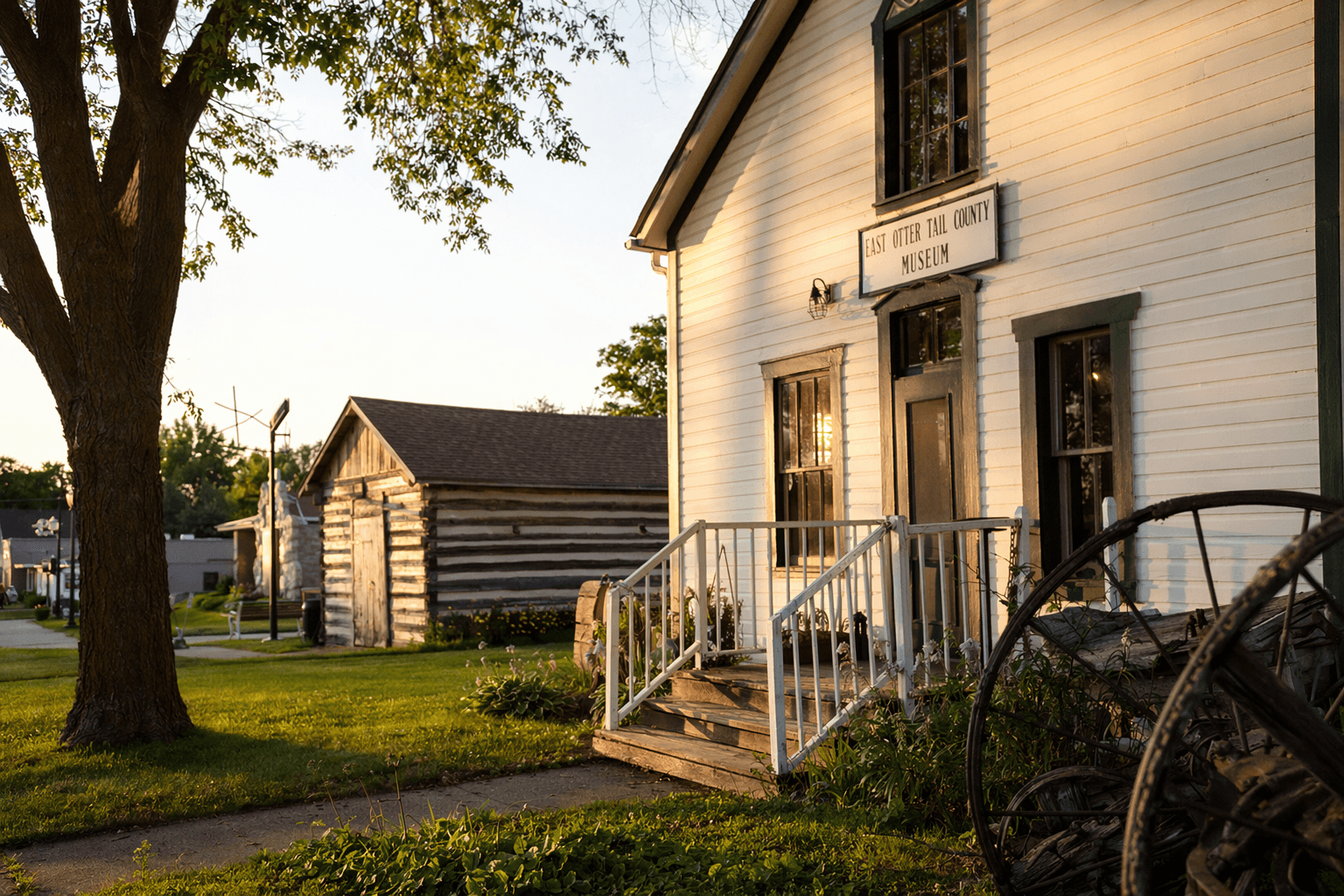
The History Museum of East Otter Tail County, established in 1998 in Perham, has worked to preserve that broader record. Its museum and the Otter Tail County Historical Society library hold an extensive collection, including more than 2,500 books and over 1,300 rolls of microfilm. Together, those records help connect Young’s new book to the paper trail of county life, from treaty language to local memory.
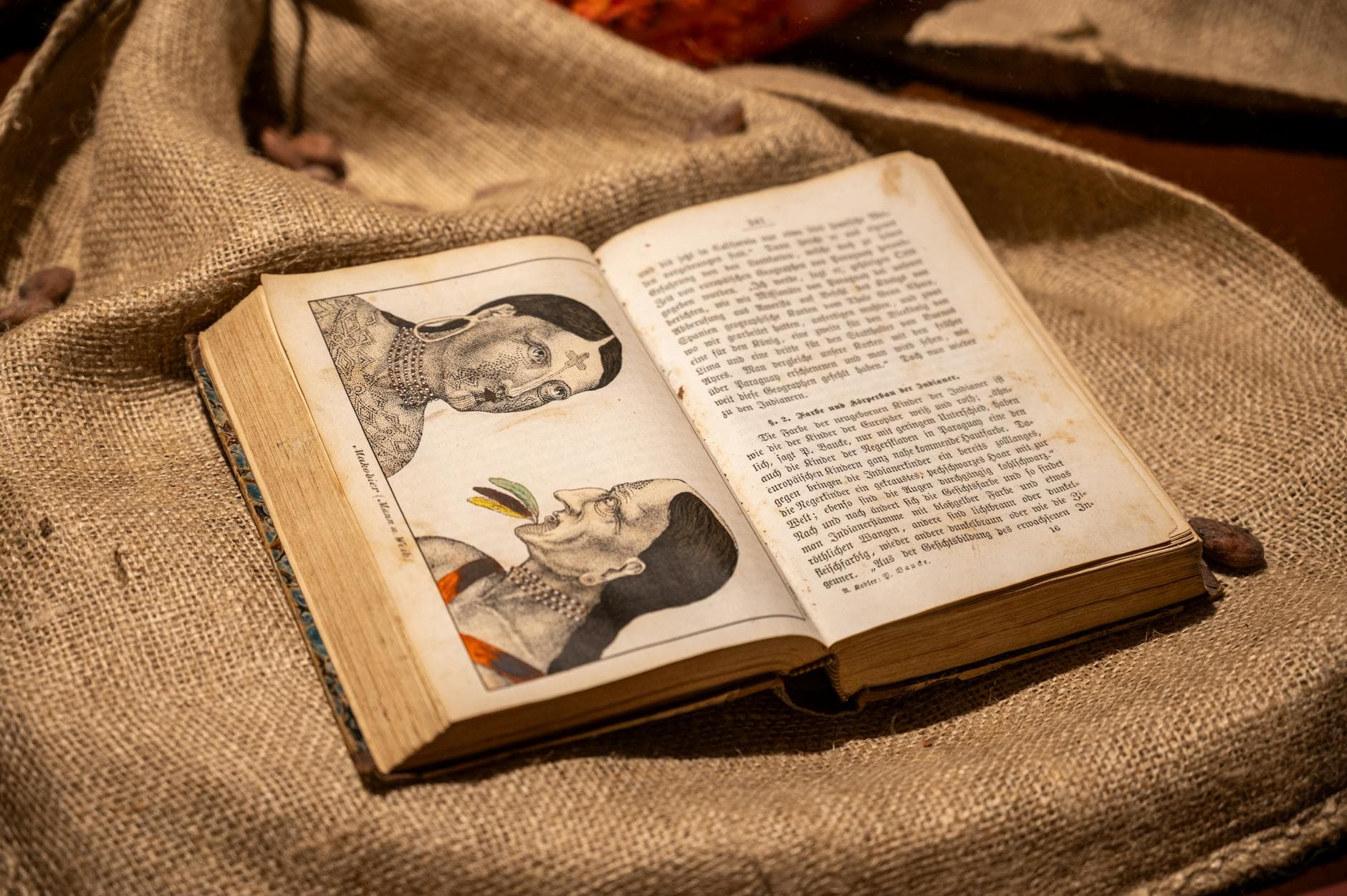
For Perham and the rest of Otter Tail County, The Otter Tail Pillager is a reminder that the region’s history includes Native communities, land loss and relocation, not just the later stories that have been passed down most often.
Know something we missed? Have a correction or additional information?
Submit a Tip