Townships, Landowners Challenge JETx Powerline Permit Process at North Dakota Supreme Court
Township governments contend Otter Tail Power used the wrong statute to permit the JETx line, stripping rural landowners of key hearing rights at the North Dakota Supreme Court.
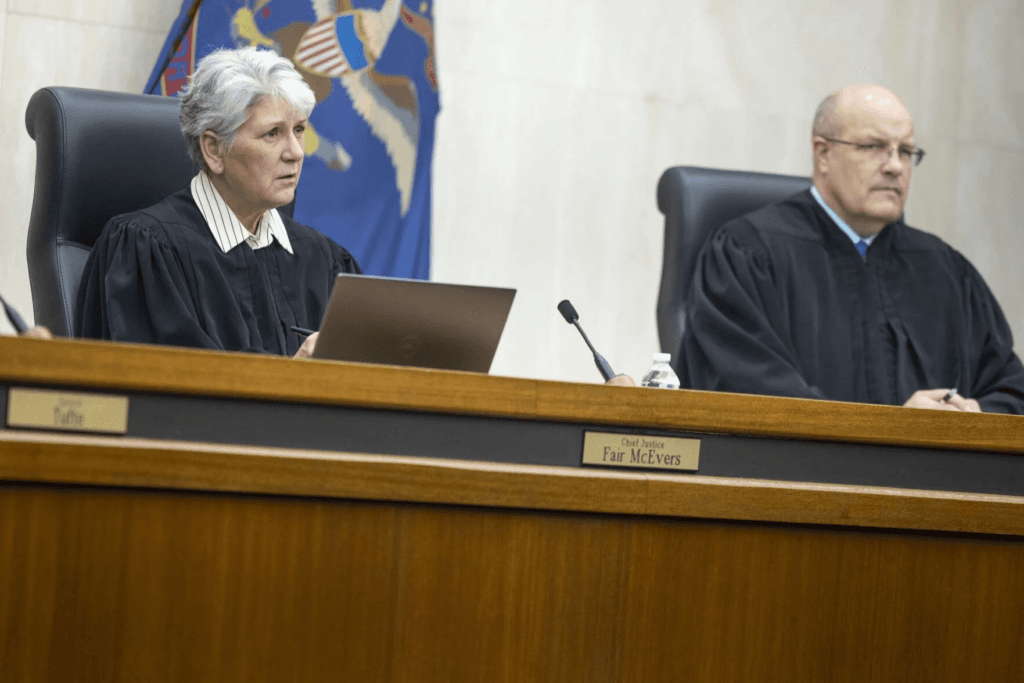
Township governments and landowners along a south-central North Dakota transmission corridor took their case against Otter Tail Power and Montana-Dakota Utilities to the North Dakota Supreme Court last week, arguing the companies chose the wrong section of state law to secure a critical permit for the Jamestown-to-Ellendale high-voltage line, known as JETx.
The procedural dispute centers on the certificate of public convenience and necessity the utilities obtained to advance the project. Township petitioners contend that by selecting one statutory pathway over another, Otter Tail Power and Montana-Dakota Utilities effectively bypassed the direct notification and formal hearing rights that affected local governments would have received under the alternative statute. That choice, their attorneys argued, foreclosed meaningful public debate over whether the line was even necessary before construction planning moved forward.
At stake is a two-step permitting model that regulators and utility attorneys say is standard practice for large transmission projects. Their position holds that the procedure does not marginalize public input and follows established precedent. Township attorneys counter that sequence matters: by the time landowners and local governments could participate, the central question of public need had already been settled outside their reach.
For Otter Tail County property owners holding farmland adjacent to transmission corridors, the court's ruling carries direct financial consequences. Easement compensation negotiations, route-selection disputes, and construction timelines all depend in part on how much procedural standing rural townships carry into the permitting process. A decision favoring the townships would require utilities to expand notice obligations and open broader hearing opportunities for rural jurisdictions before a certificate is issued. A ruling for the utilities would reinforce the two-step model across future large-scale energy infrastructure in the region.
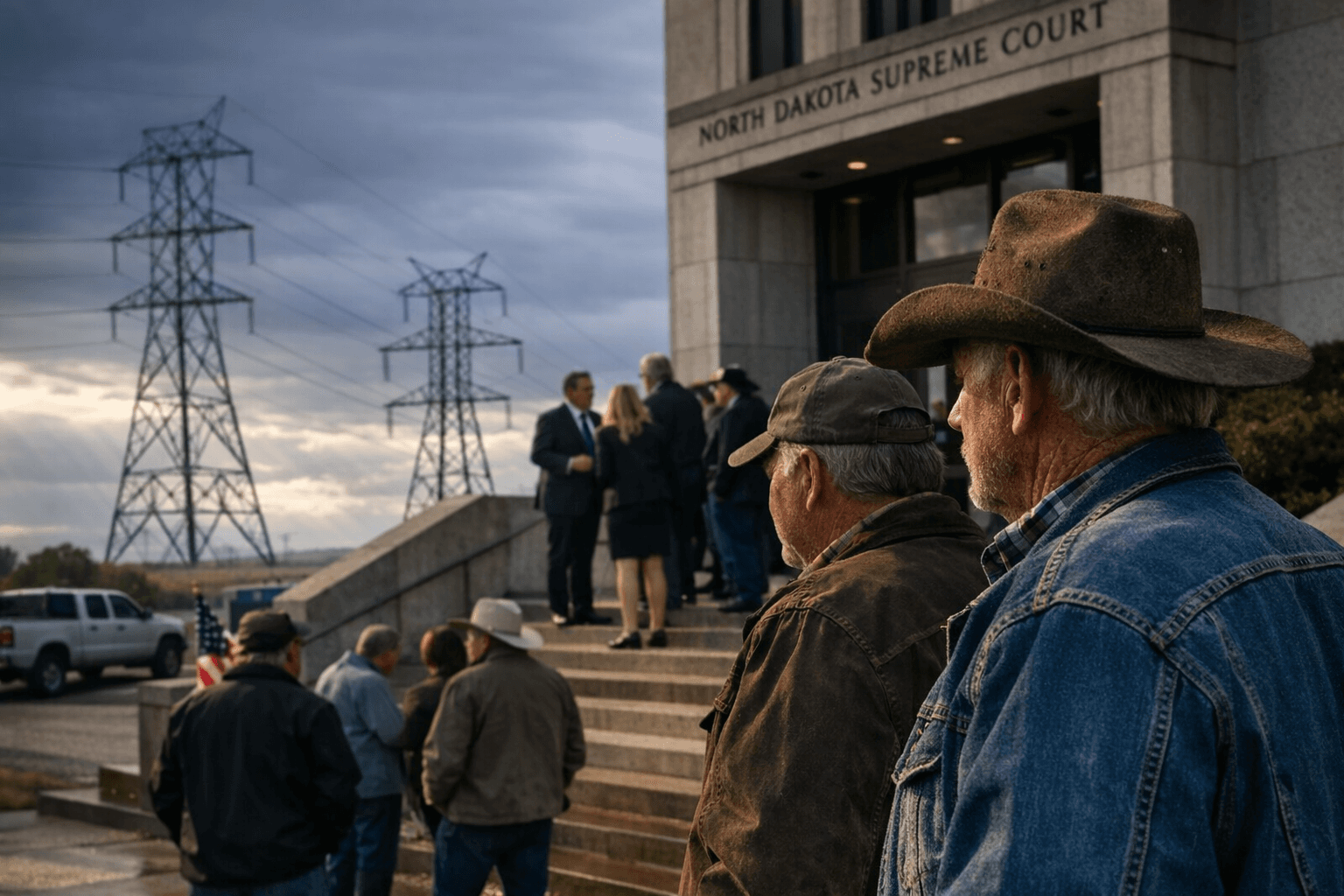
Attorneys for the township petitioners have requested oral argument, with the next round of briefs due at the end of April. Given the appellate timeline, a final ruling could be months away, and any outcome with precedential weight is expected to draw additional filings or legislative attention to how need and siting are adjudicated for multi-jurisdictional transmission lines.
Otter Tail Power, headquartered in Fergus Falls, serves customers across Minnesota, North Dakota, and South Dakota. The JETx corridor represents one of the utility's significant regional infrastructure commitments, making the court's interpretation of the certificate statute a question that reaches well beyond the North Dakota counties the line physically crosses.
This article was produced by Prism’s automated news system from verified source data, official records, and press releases, then run through automated quality and moderation checks before publishing. The system is built and supervised by the people who set the standards it runs under. Read our full AI policy.
Did this article answer your question?


