Owsley County PVA site offers tax rolls and property data
Owsley County’s PVA site puts tax rolls, parcel data, and contact details in one place, giving residents a starting point for checking bills, boundaries, and ownership.
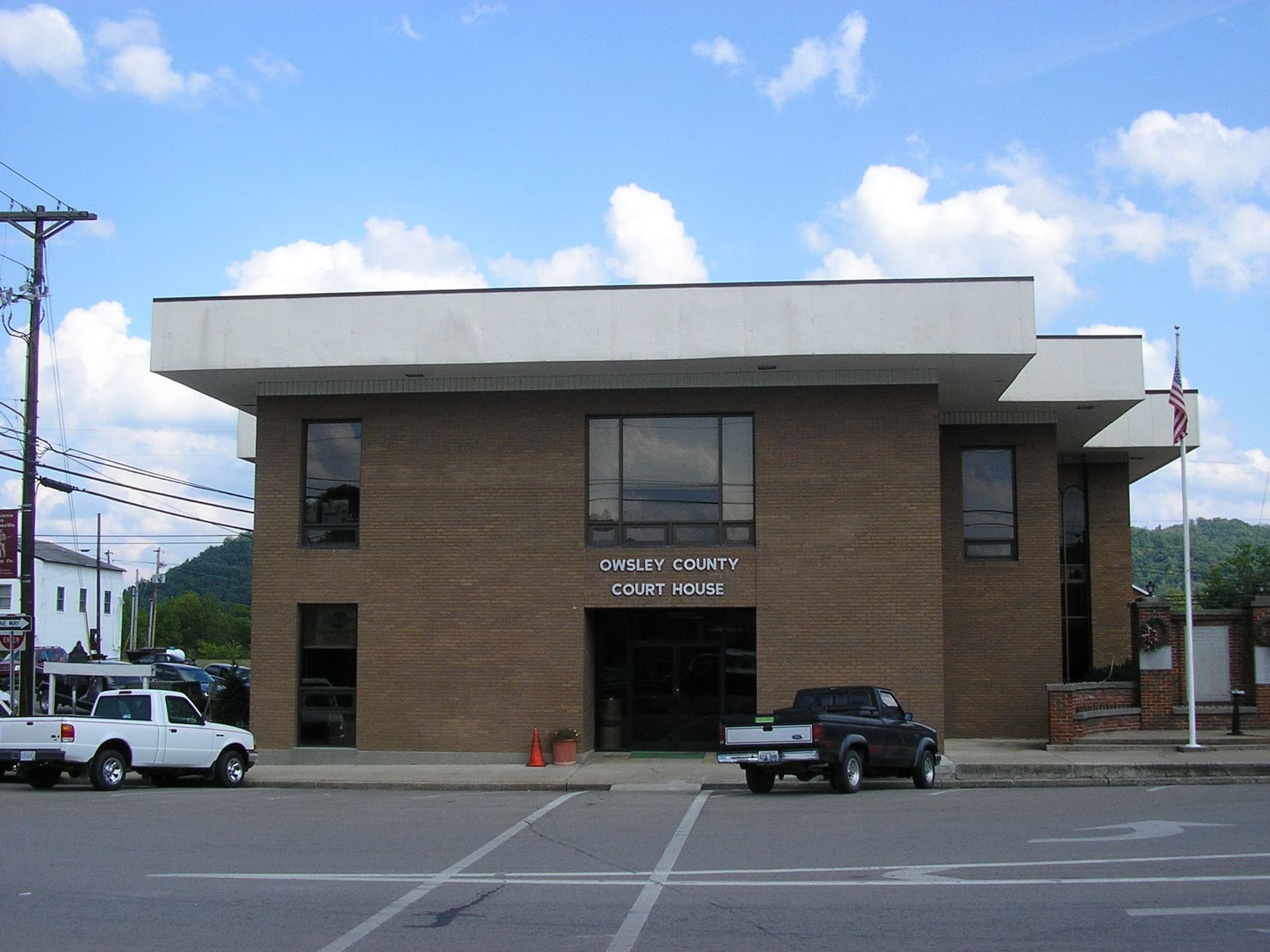
Owsley County residents who want to check a tax bill, confirm who owns a tract, or compare a deed against an assessment can start with the county’s Property Valuation Administrator office. The local PVA site offers the current certified tax roll, property search tools, and contact information for the office that tracks most real property in the county. For anyone dealing with family land in Booneville or a rural parcel that has changed hands over the years, the PVA database is one of the first places to look when a record seems off.
What the PVA record shows
The Owsley County PVA office describes its job as helping the public understand Kentucky’s property tax system and treating everyone in a fair and equitable manner. The site says new policies and procedures, along with current statutes, will be posted so taxpayers can stay informed. The PVA record is the county’s basic public reference for assessed values, parcel descriptions, and the starting point for figuring out how a property tax number was reached.
The site’s property search materials point residents to ownership information, legal descriptions, and valuation details, while also warning that the information is “believed to be accurate.” The site is an official tool, but not the final word for every dispute involving a boundary line, an inherited tract, or a deed that does not match what is on a tax record.
Why the tax roll matters
The current certified tax roll is the backbone of annual assessment work in Owsley County. It is the place to check the value the county has attached to a parcel before a tax bill is built around it. That makes it useful when a bill changes unexpectedly, when a property is newly listed in someone’s name, or when heirs are trying to understand how a family farm or house lot is being carried in county records.
Kentucky’s Department of Revenue identifies the Property Valuation Administrator as the local official responsible for assessing most real property in the county. All real property is subject to being revalued every year. In practical terms, that means values are not frozen in place, and a parcel that looked stable on last year’s paperwork can change when reassessment cycles move through. If a bill seems out of line, the tax roll is the place to begin comparing the county’s assessment with the property’s actual condition and history.
Inspections, reassessments, and surprises
Every real property parcel must be physically inspected by the PVA office no less than once every four years. That inspection cycle explains why county assessments can shift even when an owner has not sold land or added a new building. A parcel may be revisited because the office is updating records, checking acreage, or verifying that the land use still matches what is on file.
That four-year inspection rule is one reason property owners sometimes find surprises in the record. A missing outbuilding, a changed boundary line, a new structure, or an old description that no longer matches the ground can affect how the parcel appears in the system. In a county where land often stays in families and transfers can happen through inheritance instead of a straightforward sale, those mismatches can surface only when someone compares the PVA file with a deed, survey, or closing document.
How ownership and deeds fit together
Property records in Kentucky are split across offices, and that division of labor matters in Owsley County. County clerks handle deeds and legal documents while PVAs track assessments and valuations. The Owsley County Clerk’s office is therefore part of the paper trail when a resident is trying to prove ownership, trace a transfer, or see how a legal description was recorded.
That split helps explain why a tax record and a deed do not always say exactly the same thing. The clerk’s office records the legal documents that move land, while the PVA office maintains the assessment side of the file. If a parcel seems to be in the wrong name, if acreage looks short, or if an inherited tract has not been updated the way the family expects, both records should be checked together. The PVA search can point to the assessment, but the deed file is where the legal transfer usually shows up.
Where to go and who answers the phone
The Owsley County PVA lists P.O. Box 337, Booneville, KY 41314, and phone number (606) 593-6265. The contact page names Michael Reynolds as Property Valuation Administrator.
A property owner can compare the PVA entry with the deed record from the county clerk, then call the PVA office to ask why the assessment appears the way it does. Questions about inherited acreage, boundary confusion, or a name that should have been updated after a death or transfer often start there.
The wider tax-accountability system
The PVA is only one part of the county tax process. The Owsley County Sheriff’s Office collects property taxes, and that office is separately audited by the state. State Auditor Allison Ball released the audit of Owsley County Sheriff Tara Roberts’ 2023 tax settlement. State law requires annual audits of each county sheriff’s accounts.
This article was produced by Prism’s automated news system from verified source data, official records, and press releases, then run through automated quality and moderation checks before publishing. The system is built and supervised by the people who set the standards it runs under. Read our full AI policy.
Did this article answer your question?