Cannelton website highlights history, river views, outdoor attractions
Cannelton packs river views, 19th-century landmarks, and free outdoor stops into one easy afternoon. The cotton mill, courthouse museum, and riverfront parks make a low-cost Perry County stop.
A compact loop of history and riverfront
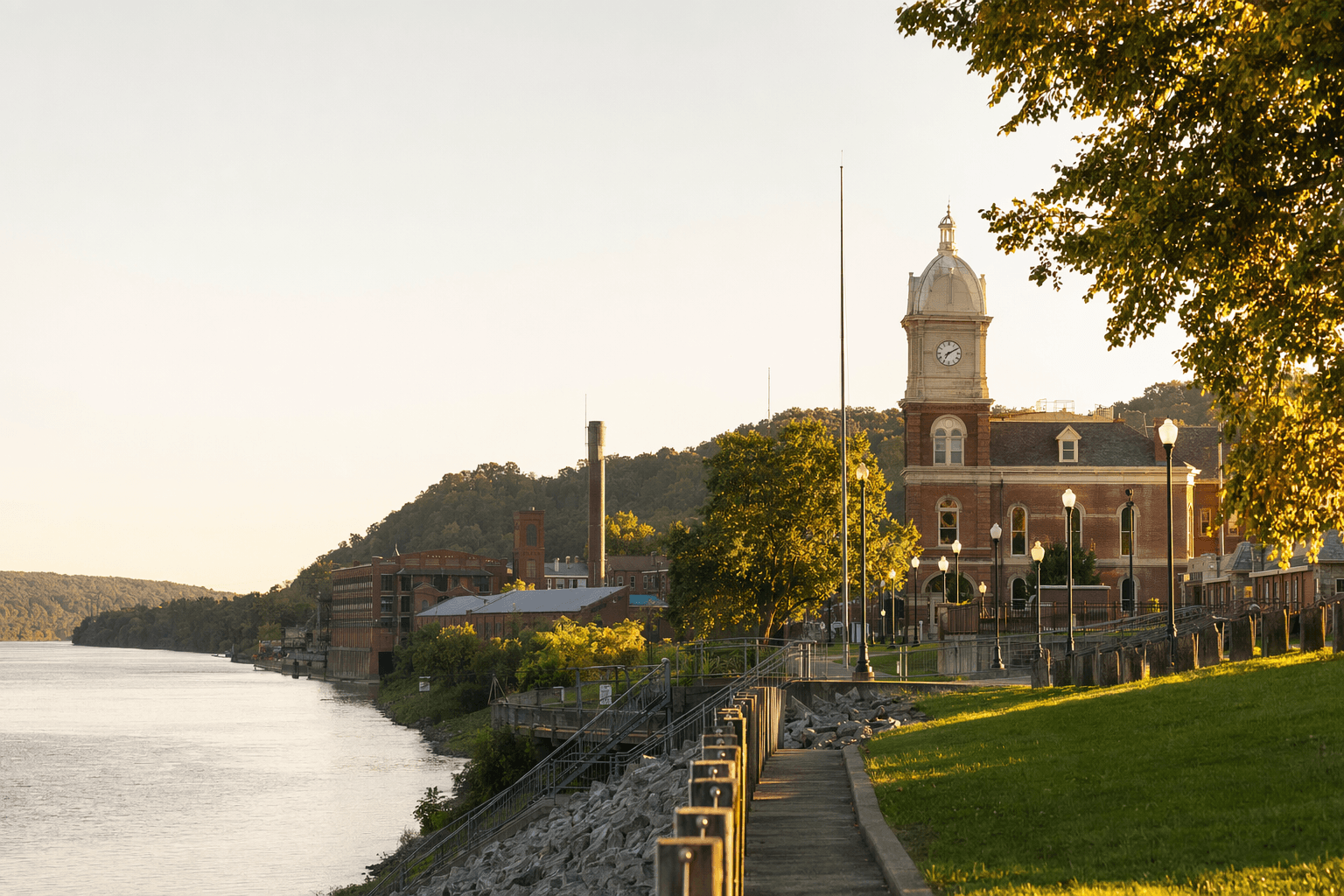
Cannelton’s own attractions page already lays out a practical afternoon: a downtown built around sandstone history, a riverfront with room to walk, and enough outdoor stops to keep the trip low-cost. In a town this small, the value is in how close everything sits together, from the historic district and courthouse museum to the boat ramp, river trail and overlooks on the Ohio River.
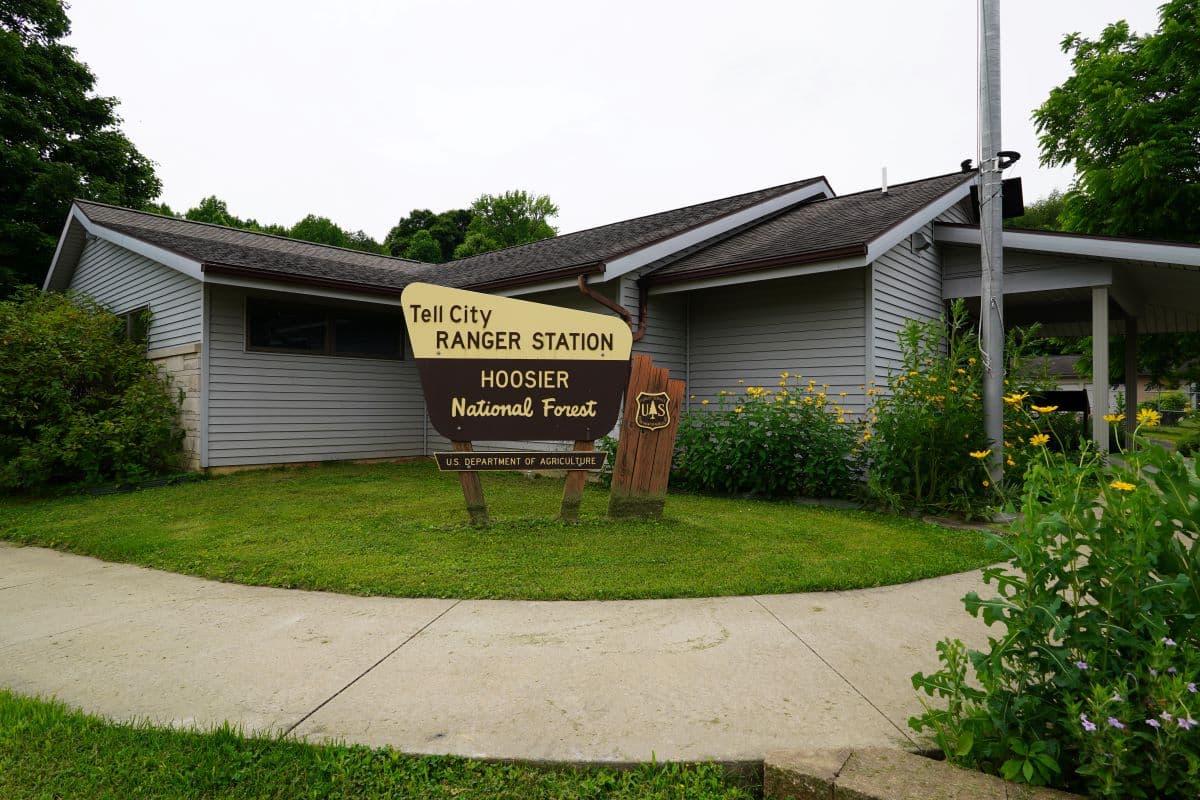
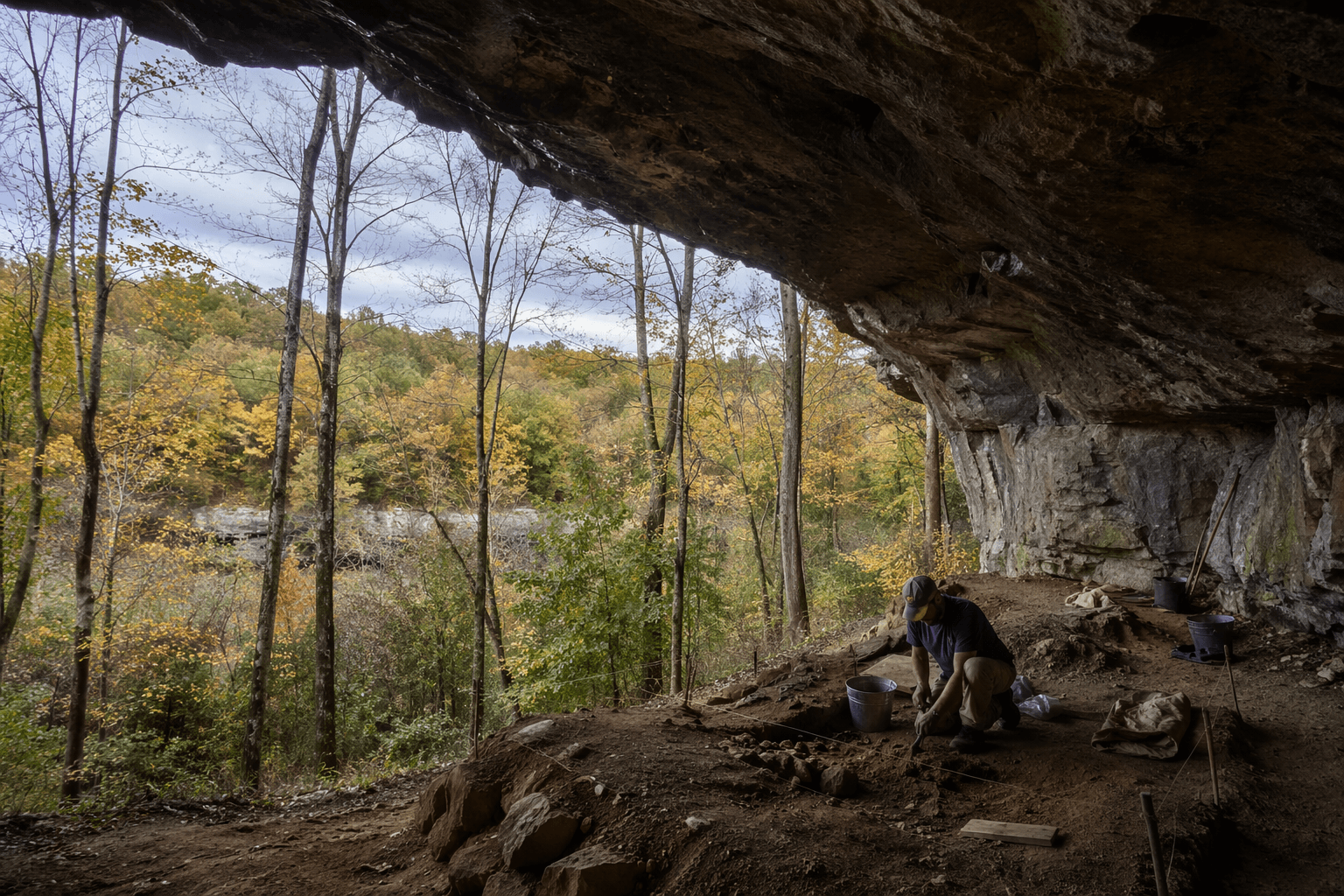
That makes Cannelton useful in a very specific way for Perry County. You can take out-of-town guests there, give kids a place to move around, or spend a few quiet hours without committing to a full-day drive. The city’s list of attractions also points beyond the center of town, with Hoosier National Forest access, Rocky Point Marina, Blue Heron Winery and Celtic Cross all adding options if you want to stretch the visit.
Start with the historic core
The Cannelton Historic District is the anchor for the whole trip. Listed on the National Register of Historic Places in 1987, it covers about 61 acres and includes 178 contributing buildings, 42 contributing structures and 2 contributing objects. Its development stretches from 1837 to 1936, so the district reads like a compact timeline of a river town that grew across multiple eras rather than a single boom.
The district’s significance is industrial and commercial, but the architecture also gives the walk variety. Gothic Revival, Late Victorian and Bungalow/American Craftsman styles all show up in the same small area, which means the district works as a self-guided stroll even if you are not trying to study buildings in detail. For a visitor, that is the appeal: the town’s identity is visible block by block, not hidden behind a single monument.
The cotton mill is the town’s heavyweight stop
Nothing in Cannelton better explains the town’s scale and ambition than the Cannelton Cotton Mill, also known as Indiana Cotton Mills. Construction began in May 1849, the building was made of native sandstone from 1847 to 1849, and the first cloth was woven on January 7, 1851. When it began operating in 1850, it employed 400 people on 372 looms, a level of industrial activity that made it Indiana’s largest industry in its early years.
The National Park Service described it as the largest industrial building west of the Allegheny Mountains when it was built, and the mill was later declared a National Historic Landmark in 1991. It stayed in continuous operation until 1954, then was renovated and reopened in 2003 as senior apartments. That history matters because the building is not just a preserved shell; it still helps define the skyline facing the Ohio River and gives the downtown a sense of scale that few river towns can match.
Museums, churches and the courthouse era
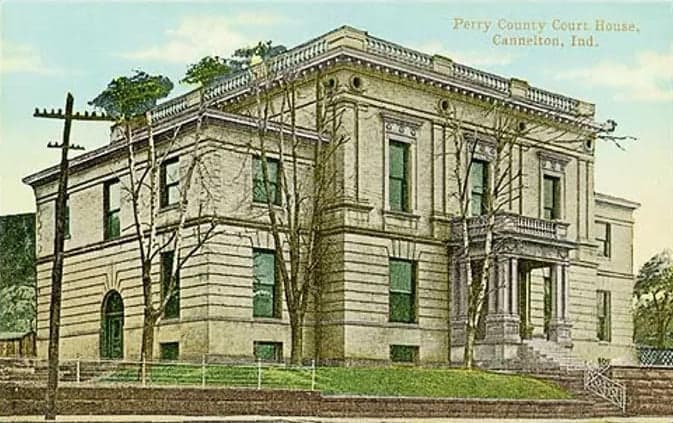
The Perry County Museum adds another layer to the walk, especially if you want the county seat story behind the town. The museum board bought the old Perry County Courthouse building in December 1998, and the courthouse itself is a French Renaissance-style structure with a massive sandstone foundation. County history notes that the county seat moved from Rome to Cannelton in 1859, and the building later served as Rome Academy and then St. Alban’s Academy.
That reuse is part of what makes the museum stop worthwhile. It shows how the county’s institutions shifted as Cannelton grew, and it gives you a direct link to the era when the river town became a civic center as well as an industrial one. The museum fits naturally into a short downtown loop, especially if you pair it with the nearby historic buildings on the city’s attractions list.
Two churches on that list help mark the town’s 19th-century growth. St. Luke’s Episcopal Church, built in 1845, is one of the earliest surviving landmarks in town, while St. Michael Catholic Church, built in 1859, reflects a later phase of settlement and parish life. Myers Grade School and the Magnolia Coffee Building round out the downtown stop list, giving you places that feel part of everyday Cannelton rather than just a collection of monuments.
Use the riverfront the way locals do
Cannelton’s riverfront is not just scenery. The city points to the Cannelton Boat Ramp, Hafele Park, the Cannelton River Walk Trail, Gazebo Park and Eagles Bluff, which overlooks the Cannelton Locks and Dam. It also names the Cannelton River Trail, reinforcing that the waterfront is set up for walking and lingering, not just driving past.
That is where the trip becomes especially practical for families and anyone looking for a free outing. You can spend time at the overlook, watch the river traffic, let children burn off energy in a park, or use the boat ramp if the day is centered on fishing or water access. The city also says Cannelton offers river access for fishing, camping and water sports, so the public spaces are not just decorative; they are part of how the town functions.
A simple afternoon route
If you want the most efficient way to see Cannelton in one afternoon, keep the loop tight and start downtown.
- Begin in the historic district and look for the cotton mill, the courthouse museum, St. Luke’s Episcopal Church and St. Michael Catholic Church.
- Stop near the Magnolia Coffee Building or another downtown spot before heading toward the riverfront.
- Walk the Cannelton River Walk Trail or the Cannelton River Trail, then continue to Gazebo Park and Eagles Bluff for a look over the locks and dam.
- If you brought a boat or fishing gear, use the Cannelton Boat Ramp and make the river itself part of the visit.
- If you want to extend the trip, add Rocky Point Marina, Blue Heron Winery or Celtic Cross, or head toward Hoosier National Forest access for trails, hunting, cabins and camping.
That sequence keeps the trip low-cost and easy to manage. Most of the value comes from walking, looking and moving between sites that are already close together, which is exactly why the town works so well as a short stop for Perry County residents and visitors passing through southern Indiana.
Why Cannelton still stands out
Cannelton’s real strength is the combination of history and utility. The town has a National Historic Landmark cotton mill, a recognized historic district, a courthouse museum, two 19th-century churches and a public riverfront that can be used for walking, fishing or launching a boat. Few places in Perry County pack that many practical stops into such a small area.
That is why the city’s own attractions page works. It does not sell Cannelton as a grand destination; it presents it as a place where the Ohio River, old architecture and outdoor space meet in one compact route. For a one-afternoon outing, that combination is hard to beat.
This article was produced by Prism’s automated news system from verified source data, official records, and press releases, then run through automated quality and moderation checks before publishing. The system is built and supervised by the people who set the standards it runs under. Read our full AI policy.
Did this article answer your question?