Demolition begins on long-vacant Cannelton buildings after years of complaints
Three abandoned Washington Street buildings are coming down after a judge lifted a stay, ending years of complaints about crumbling walls and unsafe sidewalks in downtown Cannelton.
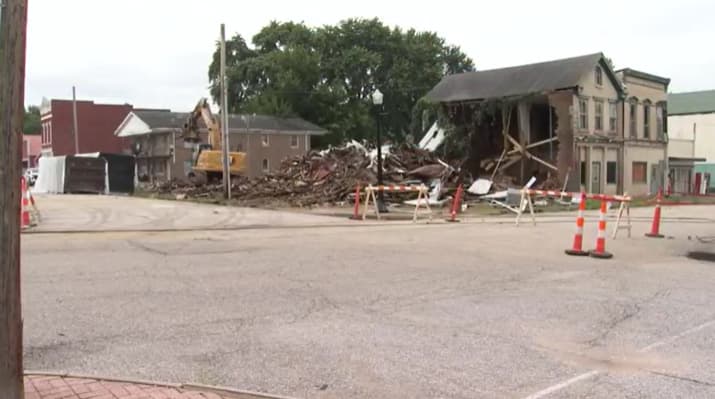
Demolition started in the 500 block of Washington Street in Cannelton after a judge lifted a stay order on three long-vacant buildings that residents had complained about for nearly 20 years. The work has closed off the road around the structures for safety, bringing immediate changes to a block that many in town had described as more than an eyesore.
City officials said the process took longer than necessary, but the block is finally being cleared after years of petitions and criticism over the condition of the buildings and the sidewalks around them. Residents told local media in April that the crumbling structures and unsafe pedestrian areas had raised concerns for more than two decades, while business owners said the road closure is already hurting their stores.
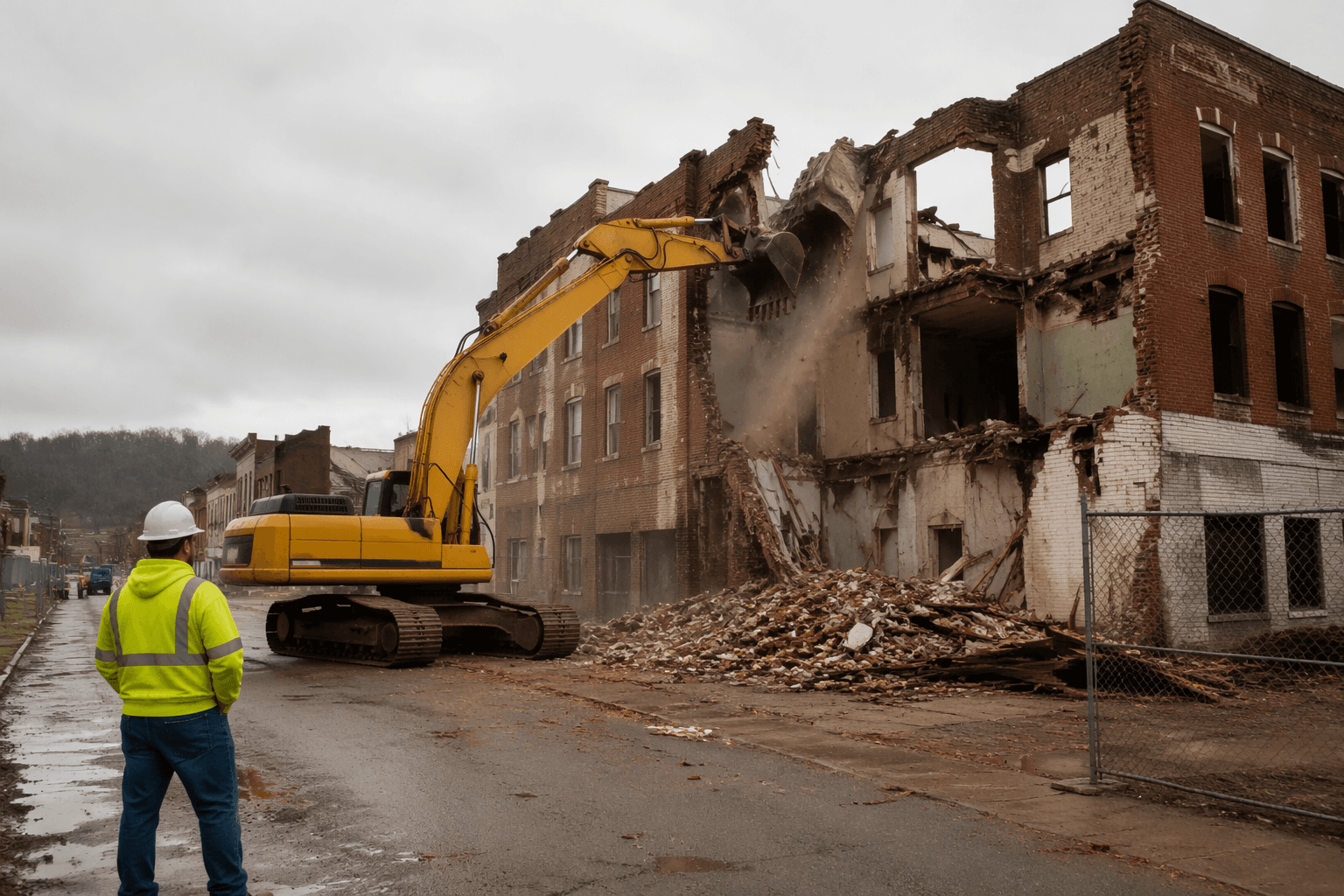
The buildings sit in downtown Cannelton, a historic Ohio River town established in 1837 and platted in 1841. The city is home to the Cannelton Historic District, listed on the National Register of Historic Places, which has made the fight over blighted buildings especially visible in a downtown where preservation and removal often collide.
Local coverage said proposals had been sought for the Washington Street properties and that demolition might have been avoided if a new owner had stepped forward before the stay was lifted. That tension between saving older structures and tearing down unsafe ones has been part of the discussion in Cannelton for years, including a last-ditch effort in November 2024 to preserve another historic building in town.
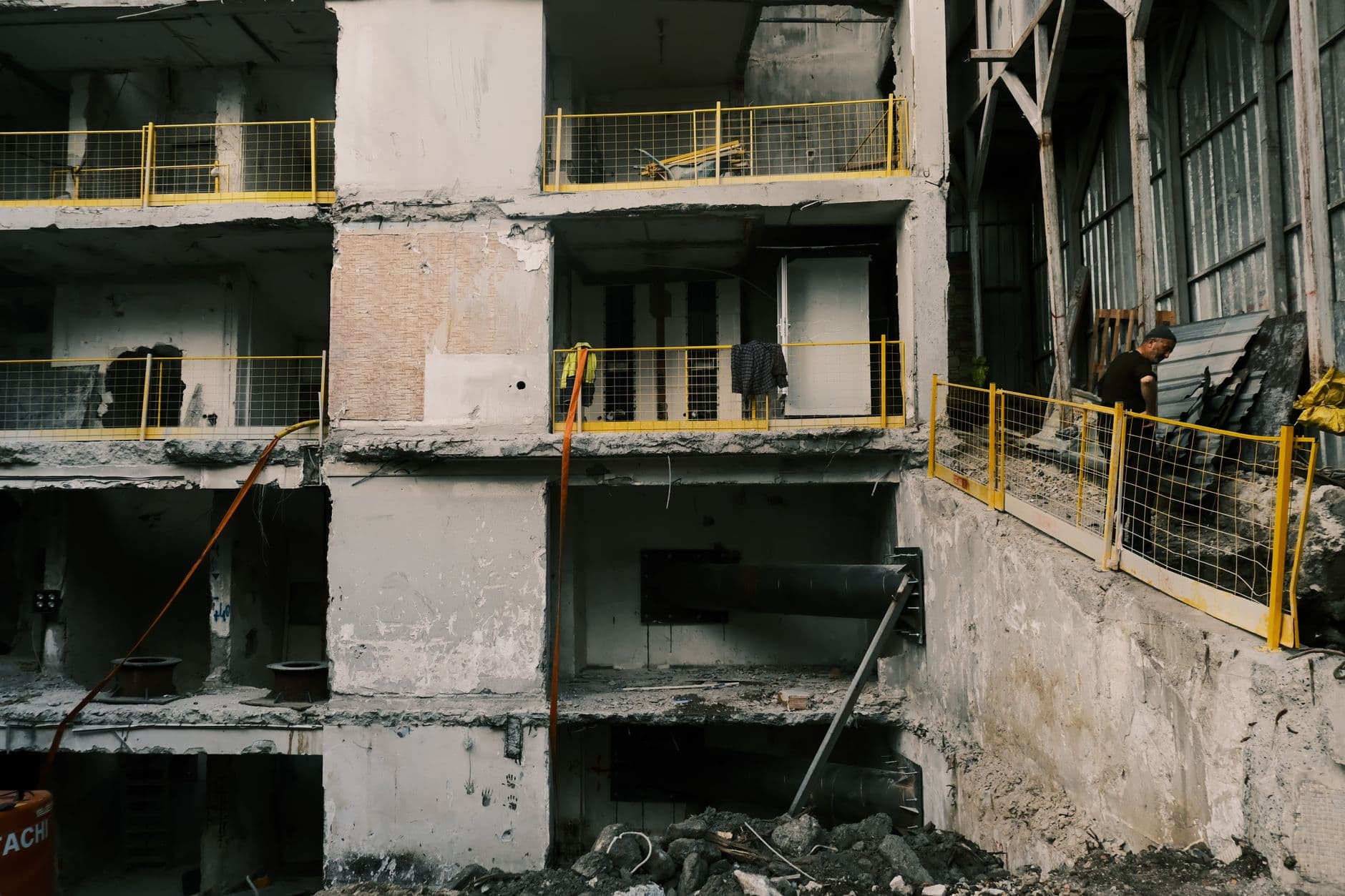
For now, the focus is on the tangible safety payoff for neighbors on Washington Street: three rundown buildings are coming down, the blocked road is keeping people away from the demolition zone, and longtime complaints about a deteriorating block are finally turning into visible change in Perry County’s river town.
This article was produced by Prism’s automated news system from verified source data, official records, and press releases, then run through automated quality and moderation checks before publishing. The system is built and supervised by the people who set the standards it runs under. Read our full AI policy.
Did this article answer your question?