Perry County jail inmates take part in Q360 program
Perry County jail inmates are getting counseling, peer support and case management through Q360, a program aimed at cutting recidivism and preparing people for release.
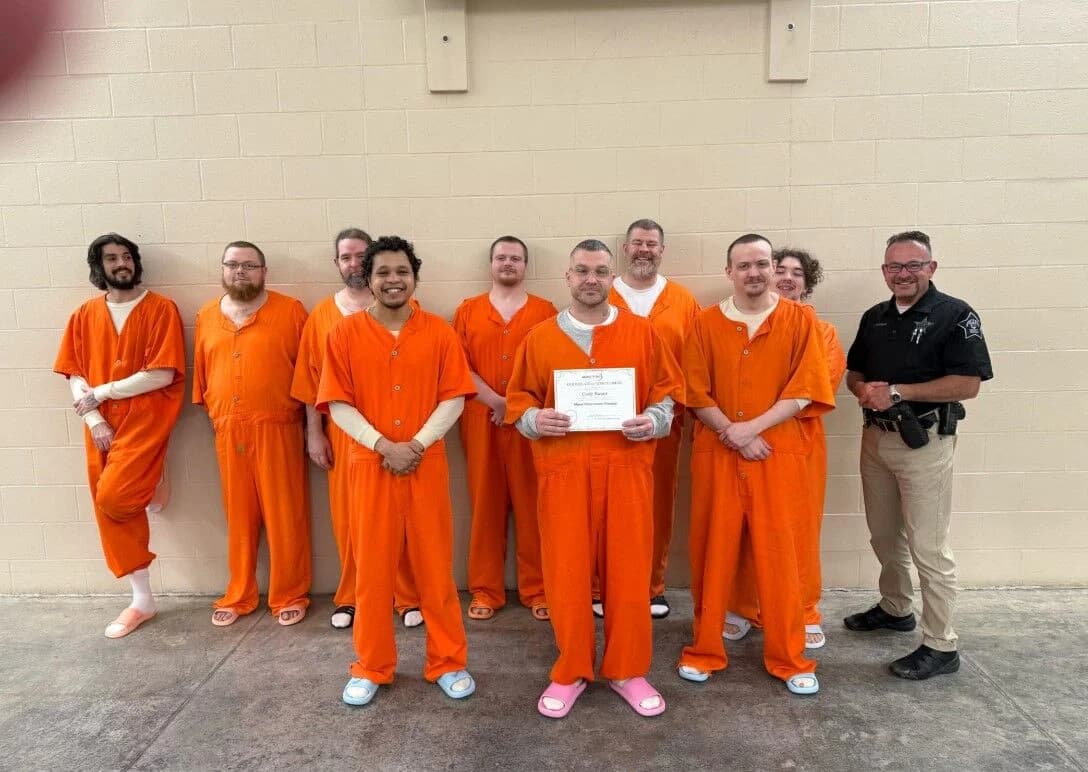
Perry County jail inmates are taking part in Q360, a treatment-focused program built around counseling, life skills and case management for people struggling with substance use and mental health challenges. The effort puts the county jail system in the middle of a broader public safety question: whether structured intervention inside custody can change behavior before release.
Quality 360 Healthcare Alliance says Q360 was developed in 2020 to increase access to substance use and mental health treatment services for patients in county jails throughout Indiana. The alliance says the program is funded through federal, state and local grants, with no added taxpayer burden, and it operates through a nonprofit partnership with Quality Correctional Care.

In Perry County, the sheriff’s office has said participants receive counseling, life skills training, peer support and case management. The skills taught include parenting, managing money, handling anger and getting ready for work, all aimed at helping inmates leave jail with more than a short-term custody record.
That approach matches the mission of Perry County Community Corrections, which says it exists to provide a safe environment for the community while developing and implementing non-traditional alternative programs designed to reduce recidivism and provide services to offenders. The office is based in Tell City, with locations listed at 2211 Herrman Street and 2219 Payne Street, and it is open Monday through Friday from 8 a.m. to 4 p.m. CST.
Sheriff Dave Faulkenberg is the elected official named on the Perry County Sheriff’s Office website. The jail also uses video visitation through designated video stations in the detention center lobby, part of the structured system inmates encounter while in custody.
For Perry County, the key issue is not just whether inmates attend Q360 sessions, but whether the program changes what happens after release. Local officials have tied the work to reducing repeat offenses and preparing people for sober, stable lives outside the jail, which is where the public safety test ultimately lies.
This article was produced by Prism’s automated news system from verified source data, official records, and press releases, then run through automated quality and moderation checks before publishing. The system is built and supervised by the people who set the standards it runs under. Read our full AI policy.
Did this article answer your question?