Self-Guided Walking Tour Highlights Tell City, Cannelton Riverfront and Historic Architecture
A self-guided walking tour maps Tell City and Cannelton riverfronts, mills, and historic neighborhoods, offering residents a free way to connect with local history and support small businesses.
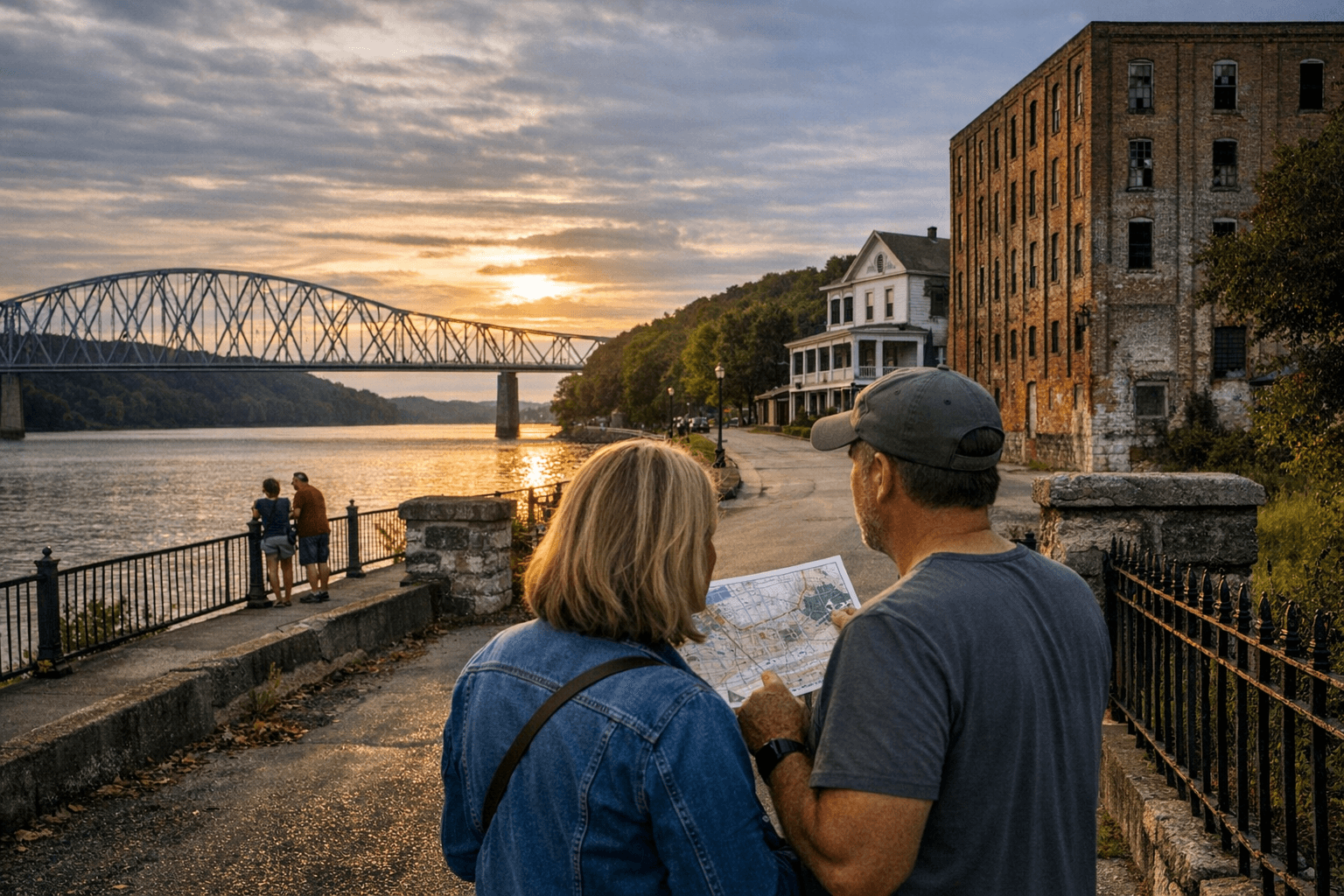
A self-guided walking tour now highlights Tell City and neighboring Cannelton, tracing Ohio River views, 19th- and early-20th-century architecture, and the county’s industrial past. The route gives residents and visitors a manageable, low-cost opportunity to explore riverfront green space, downtown storefronts, civic landmarks, and the nationally significant Cannelton Cotton Mill while supporting local commerce and community events.
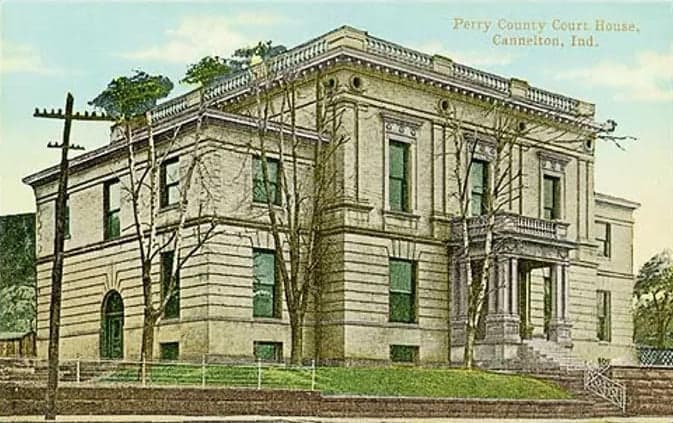
Begin at the Tell City riverfront, historically the community’s commercial and social hub. From there walk upriver into downtown to see period brickwork, storefronts reflecting Tell City’s German-settler heritage, and public green space that doubles as informal exercise paths. Nearby civic landmarks include the Perry County Courthouse and municipal buildings; these exterior views demonstrate small-town government architecture and serve as focal points for parades and public gatherings.
Residential blocks in Tell City reveal late-19th- and early-20th-century homes with Victorian and Craftsman influences. Visitors can note decorative woodwork, original porches, and ironwork that point to the town’s prosperous river-and-rail era. Check whether the Tell City Carnegie Library is open before visiting; libraries often host historical displays, genealogy resources, and community exhibits useful for deeper research.
Cross the river into Cannelton to walk the Cannelton Historic District and view the Cannelton Cotton Mill, one of the region’s best-preserved 19th-century textile manufacturing complexes. Nearby commercial row and riverfront warehouses illustrate how river commerce supported mill life, and surviving workers’ housing offers tangible context about labor, migration, and community formation in Perry County. Several churches and local cemeteries in both towns provide further insights into early settlers and notable local families; visitors should respect posted signs and private property.
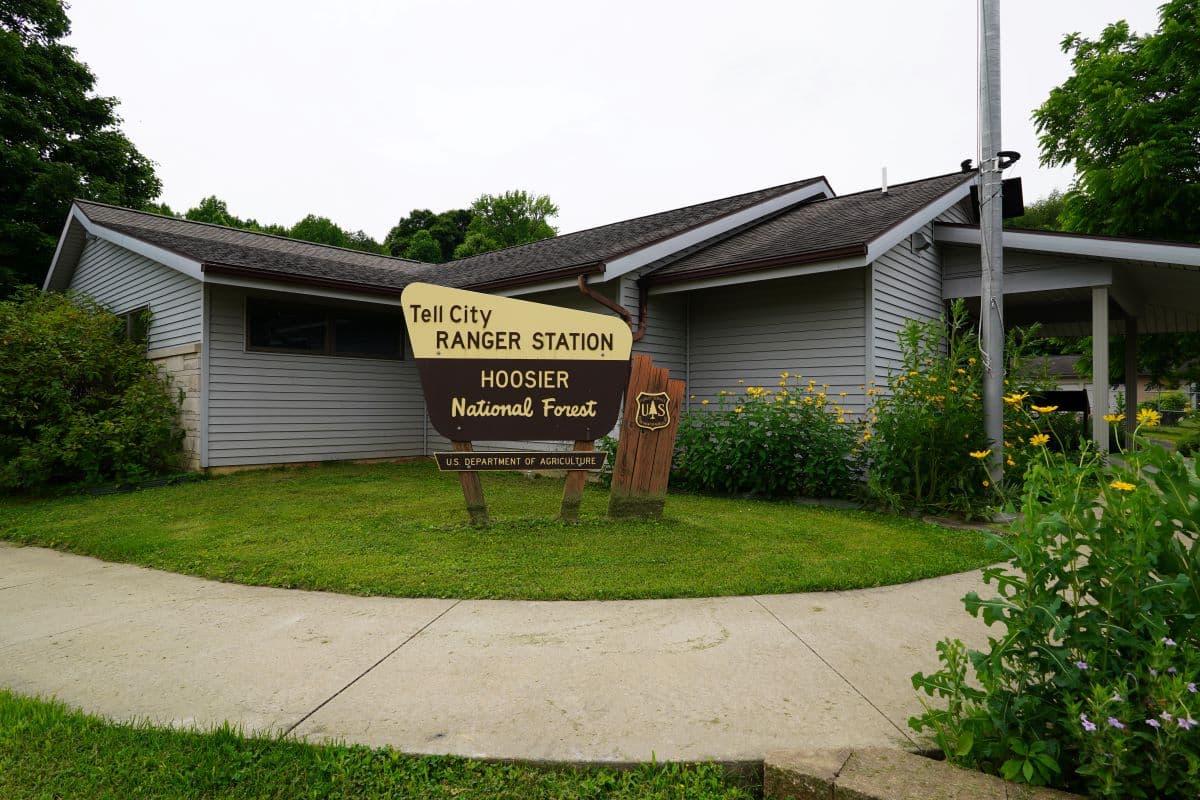
The Lincoln Amphitheatre, modernized in recent years, sits to take advantage of river views and hosts community programming that links historic preservation with contemporary culture. Practical considerations include seasonal hours for small museums, limited winter schedules, downtown and riverfront public parking, and uneven sidewalks in historic districts that may present mobility challenges. Stop by the Tell City or Cannelton public libraries, local chambers of commerce, or visitor centers for maps, historical brochures, and event schedules.
Public health and equity intersect with this tour. Walking the route promotes cardiovascular activity, mental well-being, and social connection, while riverfront green space functions as a free community asset. At the same time, uneven sidewalks, limited public transit, and seasonal closures disproportionately affect older adults, people with disabilities, and lower-income residents. Advocating for accessible sidewalks, clear signage, and reliable schedules for small museums will help make this shared heritage more inclusive and beneficial to all Perry County residents.
For readers, the tour is both a recreational route and a prompt: explore locally, support downtown businesses, and push for accessibility improvements so Tell City and Cannelton’s stories remain a living part of community life.
This article was produced by Prism’s automated news system from verified source data, official records, and press releases, then run through automated quality and moderation checks before publishing. The system is built and supervised by the people who set the standards it runs under. Read our full AI policy.
Did this article answer your question?