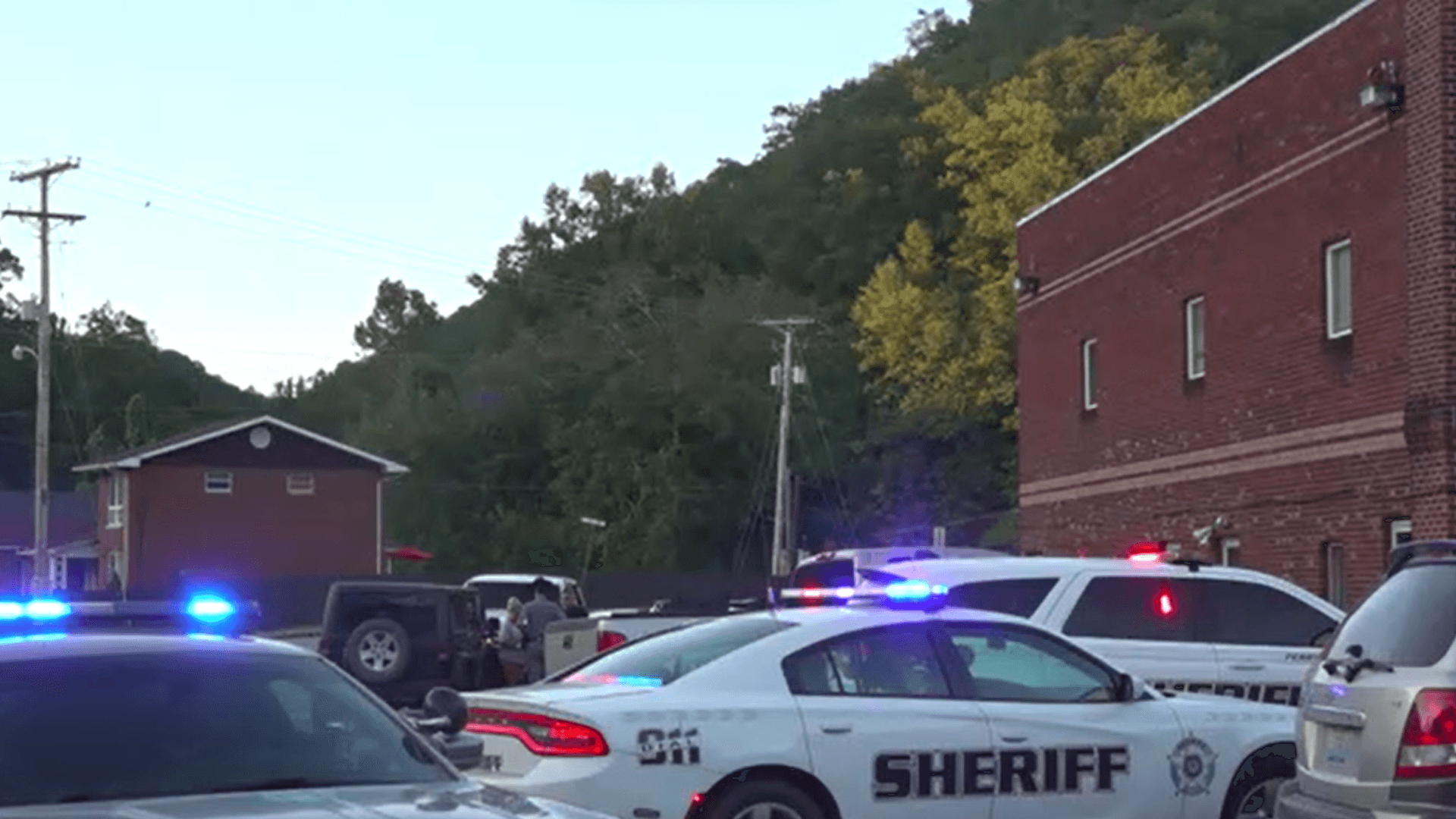
Appalachian Horse Center celebrates Eastern Kentucky’s free-roaming horses
At 330 Kentucky Highway 699, the Appalachian Horse Center turns former Miniard Farm acreage into a Perry County stop for horse heritage, rescue, and tourism.
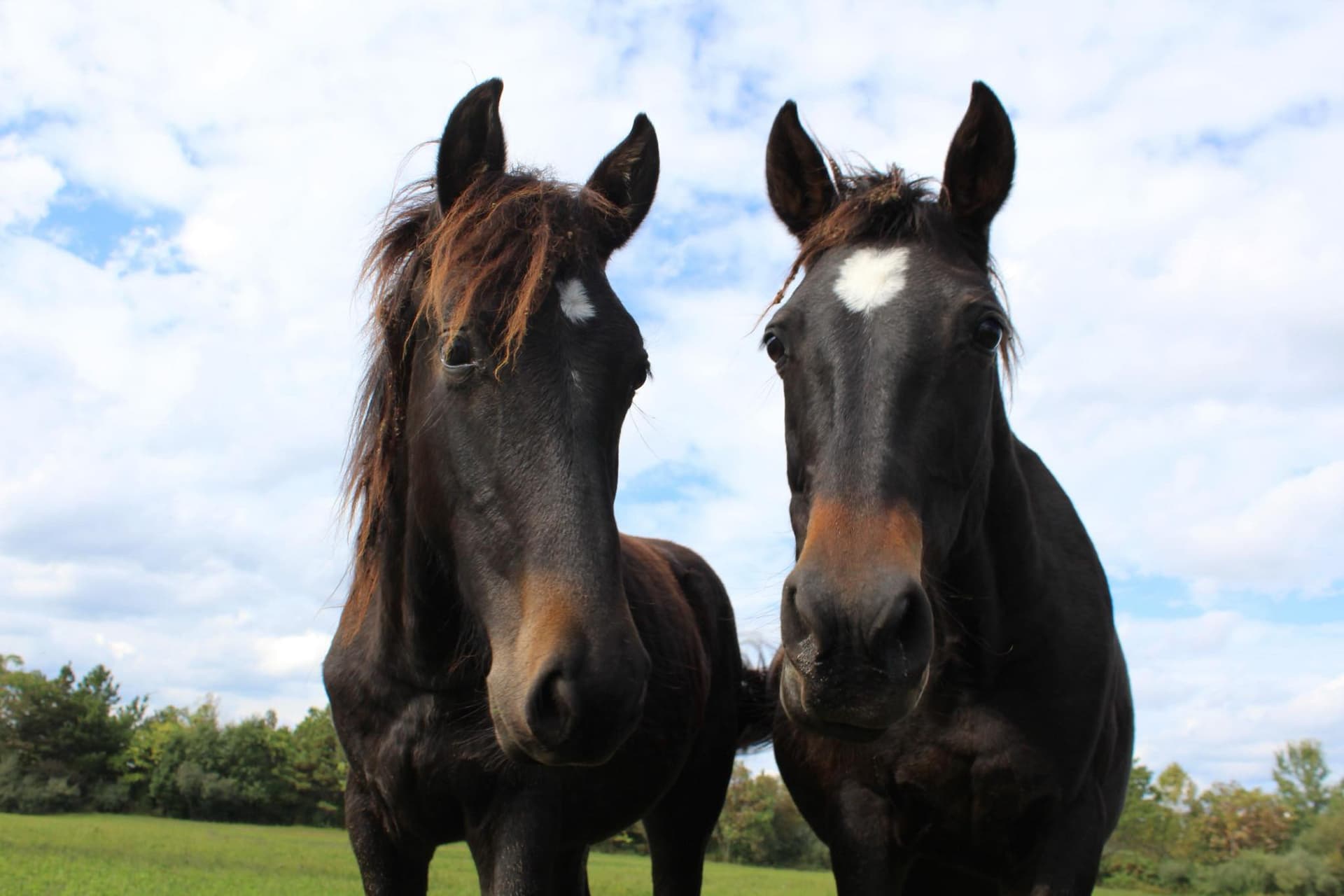
At 330 Kentucky Highway 699 in Cornettsville, the Appalachian Horse Center turns 80 acres of the former Miniard Farm into a place where Perry County’s horse history can be seen, cared for, and put to work for the community. The site is built to serve as both a home and an evaluation center for Eastern Kentucky’s free-roaming horses, while giving residents and visitors a reason to stop, learn, and spend time in the county.
A Cornettsville site with a clear purpose
The center exists to preserve and celebrate the cultural, historical, and social significance of Eastern Kentucky’s free-roaming horses. Donations go to the Foundation for Appalachian Kentucky, a 501(c)(3) nonprofit, tying the center’s public-facing work to a charitable structure rather than a private entertainment model.
It is meant to function as a working place for horses that need assessment, care, and a path toward adoption, while also giving Perry County a distinct tourism asset rooted in local land and local memory. The farm setting ties the project to Cornettsville and to the county’s own landscape.
What people can actually do there
Visitors can experience the region’s living history through guided tours, educational programs, and special events. Those offerings can make the site useful to families, school groups, and out-of-county visitors looking for something more grounded than a quick photo stop. The place is designed to give people a close look at the horses, the land they occupy, and the stories attached to both.
The center has outlined plans for an education building that could include equine-assisted learning, therapy, youth camps, after-school programs, and agriculture-based workforce development. That mix could serve children, teens, educators, and people interested in hands-on animal care, not just tourists passing through.

For Perry County schools and youth programs, the site’s educational side can translate into field trips, structured learning visits, and direct exposure to horse care. For families, it creates a local place where children can learn about animals and Eastern Kentucky history in the same trip. For residents looking for practical value, it opens the door to programs that connect land, labor, and animal welfare.
A simple visitor checklist already comes into focus:
- guided tours that explain the horses and the site
- educational programs for students and community groups
- special events that can draw visitors into Cornettsville
- future learning, therapy, and youth programming tied to the education building
- direct access to a horse-centered setting focused on care, not just viewing
Why the horse story belongs to this landscape
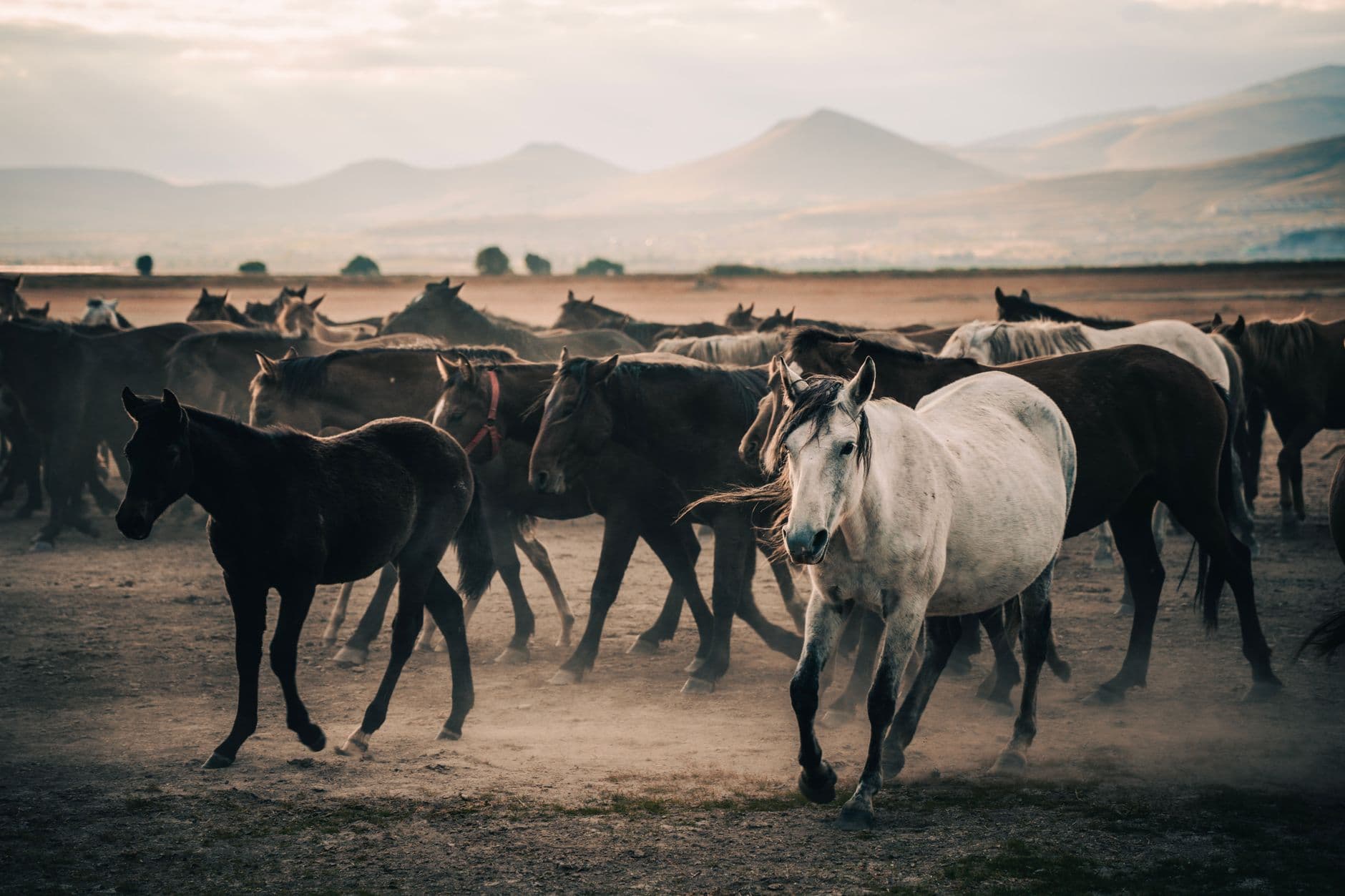
The Appalachian Horse Center makes more sense when placed inside the broader history of Eastern Kentucky’s free-roaming horses. That tradition dates to the 1970s, when Kentucky farmers began releasing mares onto reclaimed mine lands so the animals could graze on unused fields created after surface coal mining reclamation. The mountain forests are generally too dense for grazing, which is why reclaimed mine lands became part of the horse story.
That history is tied to modern reclamation policy as well. The Surface Mining Control and Reclamation Act was enacted on Aug. 3, 1977, creating the abandoned mine lands program that still shapes how former mining land is managed. The horses are part of a land-use pattern shaped by coal, reclamation, and the way communities adapted to the changing mountain economy.
The center’s location reinforces that story. The site sits beside Little Leatherwood Creek and overlooks the historic Leatherwood Battle site, placing the horse project in a landscape already layered with local memory.
A county project with public payoff
The center is part of a broader effort to bring more tourism to eastern Kentucky, and horses brought to the site are expected to receive treatment, interact with humans, and eventually be adopted into forever homes. That combination of rescue, education, and visitor appeal is what makes the center different from a narrow animal shelter or a purely interpretive museum.
County Judge Scott Alexander said the idea of using the farm to help Perry County had been discussed for years. He also said at the ribbon cutting that he hoped the site could eventually expand to include a native animal zoo.
The Perry County Fiscal Court leased Miniard Farm to the nonprofit Appalachian Horse Project in a deliberate public-private arrangement. The Appalachian Horse Project is supported by local horsemen and officials.
What success looks like in Perry County
Success will show up in more tangible ways: visitors spending money in Cornettsville, school groups using the site for hands-on learning, horses getting the treatment they need, and adopted animals moving into permanent homes. If the education building and its planned programs take shape, the site could also add equine-assisted learning, therapy, youth camps, after-school programs, and agriculture-based workforce development.
This article was produced by Prism’s automated news system from verified source data, official records, and press releases, then run through automated quality and moderation checks before publishing. The system is built and supervised by the people who set the standards it runs under. Read our full AI policy.
Did this article answer your question?