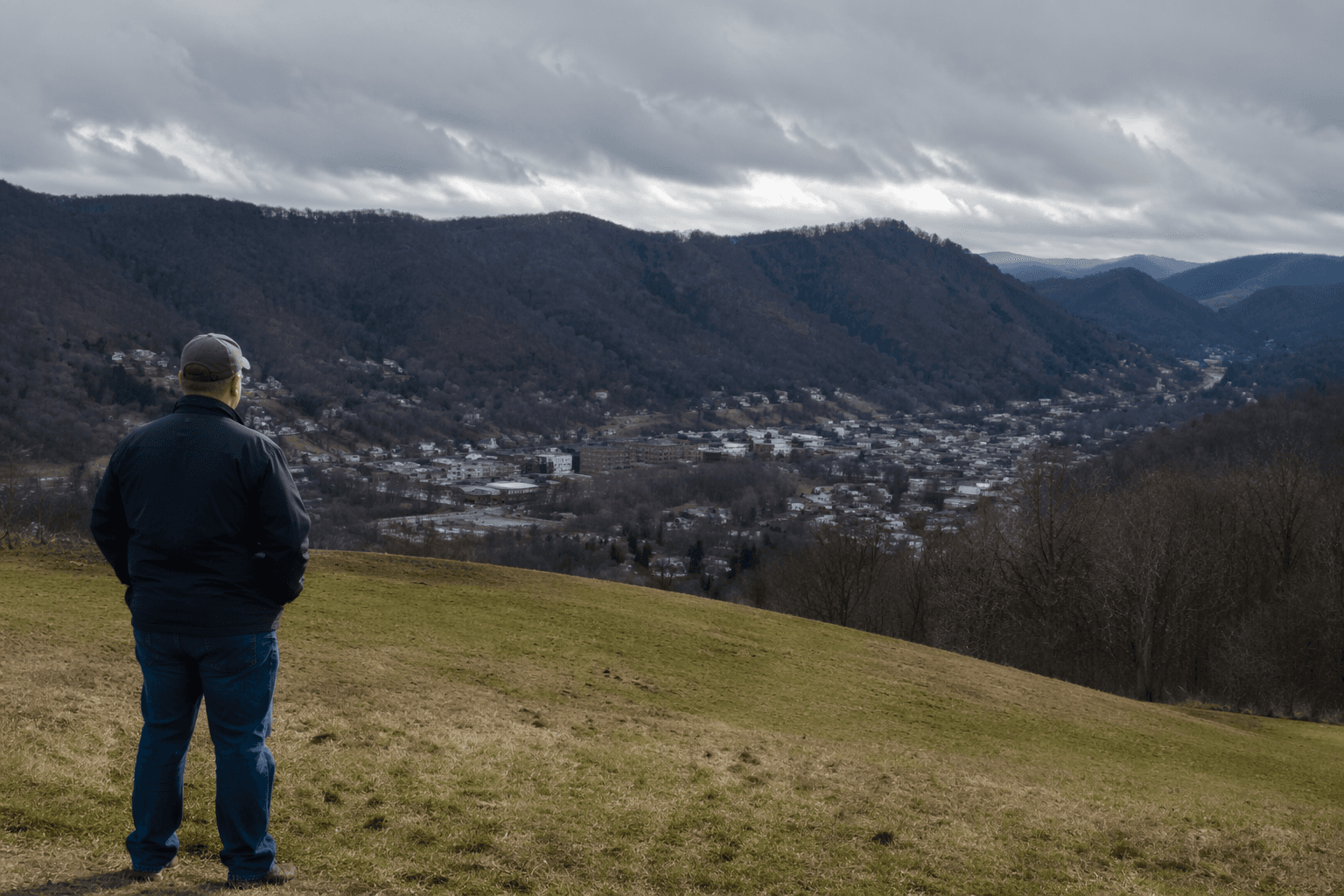
Bipartisan rural prosperity commission to hold hearing in Hazard
Hazard put Perry County’s flood recovery, jobs and health care in front of a bipartisan rural policy panel led by Heidi Heitkamp and Chris Sununu.

Perry Countians had a public forum to press their case when the Brookings-AEI Commission on U.S. Rural Prosperity brought a two-day field hearing to Hazard and Richmond, putting local voices in front of former U.S. Sen. Heidi Heitkamp and former New Hampshire Gov. Chris Sununu. The Eastern Kentucky event, titled Economic Opportunity and Civic Renaissance in Rural Appalachia, was designed to hear directly from residents in a setting that Brookings describes as a public field hearing, community listening session and on-site visit.
The commission said it planned to discuss disaster relief, workforce development, health outcomes and other issues shaping Appalachia. Brookings says the bipartisan panel was launched July 1, 2025, and will conduct six field hearings over two years, including one international visit. That gives the Hazard stop meaning beyond a single afternoon: it becomes part of the record the commission will use when it drafts recommendations on rural opportunity, resilience and quality of life.
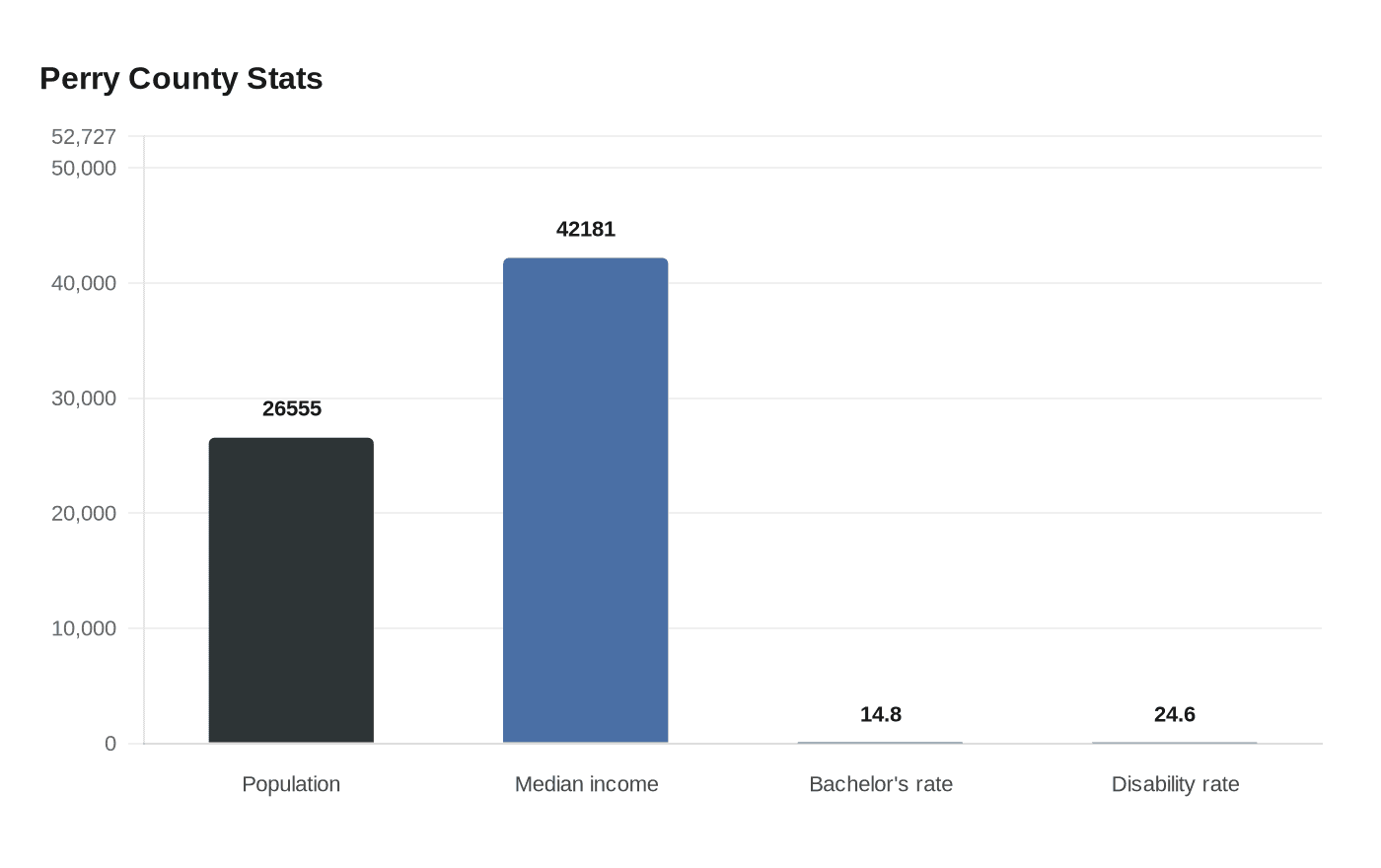
For Perry County, the stakes are easy to measure. The U.S. Census Bureau estimates the county’s population at 26,555, down 6.7% from the 2020 census base of 28,473. The county’s 2020-2024 median household income was $42,181, the bachelor’s-degree rate was 14.8%, and 24.6% of residents under 65 had a disability. Those numbers help explain why any serious rural policy discussion in Hazard has to reach beyond slogans and into the practical questions of work, education, health care and transportation.
Flood recovery remains central to that conversation. Eastern Kentucky was hit by deadly flash flooding in July 2022, and Kentucky’s Department for Local Government says nearly $298 million in federal HUD CDBG-DR money is being made available for the recovery effort. For Perry County residents still navigating rebuilding, that makes the hearing more than a ceremonial stop. It is an opportunity to put unfinished recovery work, housing needs and infrastructure gaps in front of policymakers who say they want to strengthen rural communities.
The hearing also came at a time when Kentucky’s coal economy continues to shrink. State data shows coal mining employment fell from a peak of more than 29,000 jobs in the 1990s to 13,259 in December 2000, underscoring why workforce development and economic diversification remain unfinished business in counties like Perry.
The real test now is whether the commission’s next steps reflect what it heard in Hazard: concrete recommendations on jobs, flood recovery, health care access and other services, followed by a record that shows Eastern Kentucky was not just visited, but taken seriously.
This article was produced by Prism’s automated news system from verified source data, official records, and press releases, then run through automated quality and moderation checks before publishing. The system is built and supervised by the people who set the standards it runs under. Read our full AI policy.
Did this article answer your question?