Black Gold Festival celebrates Hazard’s coal heritage and downtown life
Black Gold Festival turns downtown Hazard into Perry County’s annual reset, mixing coal heritage, local vendors, and family traditions into one of Kentucky’s largest festivals.

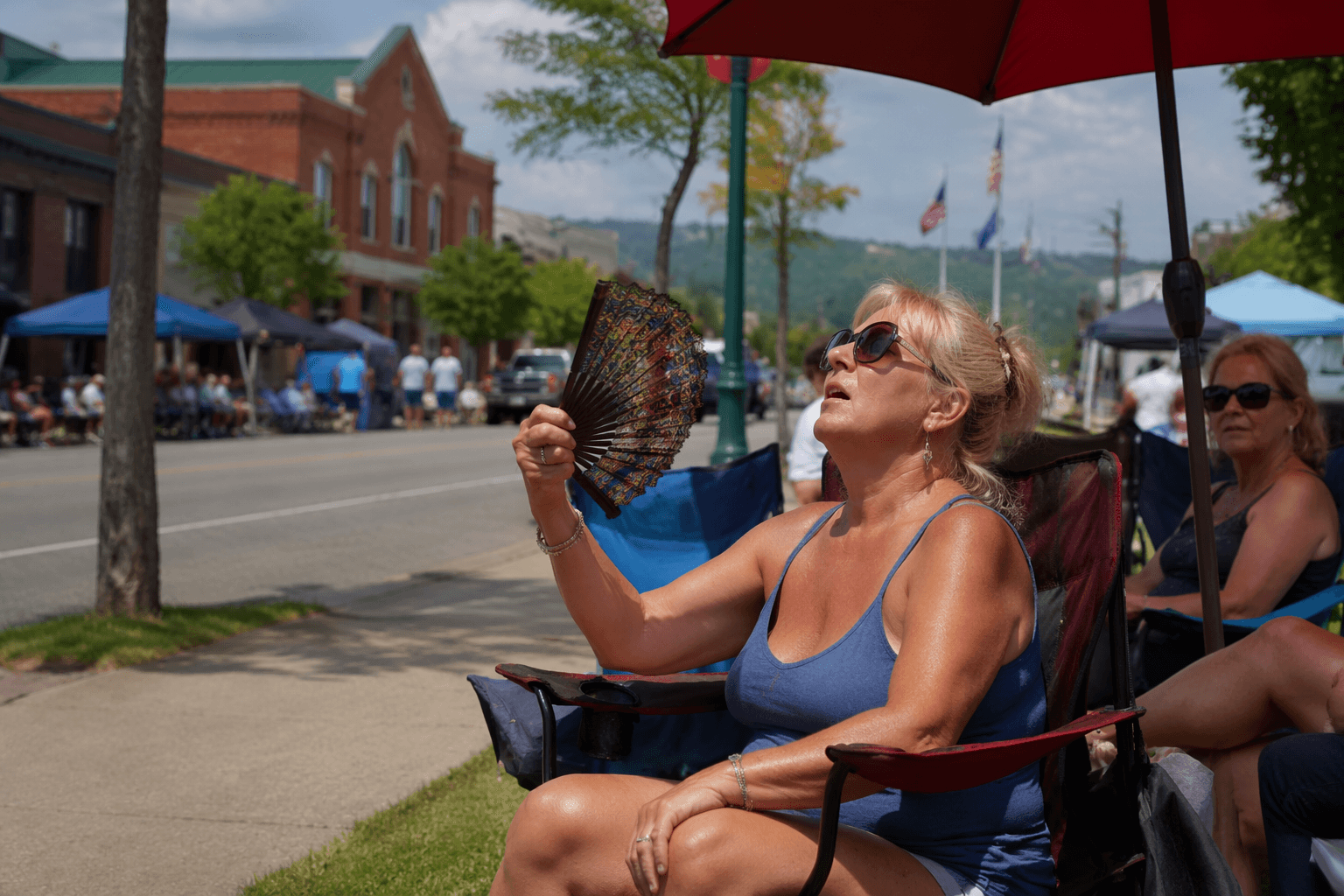
Black Gold Festival is the weekend when downtown Hazard becomes Perry County’s busiest public square, with Main Street, the courthouse steps, and the surrounding blocks carrying the weight of the county’s coal memory and its present-day commerce. The city frames the celebration as a September gathering around Kentucky’s “black gold,” and the festival’s mix of food booths, crafts, music, rides, and specialty shows gives local businesses and families a shared reason to come downtown.
A festival built on Hazard’s coal story
The Black Gold Festival is not just a street fair with a coal-themed name. It traces its roots to the Hazard Coal Carnival, which began in 1937, when coal already defined the town’s identity. That history matters because Hazard’s rise was tied to the railroad’s arrival in 1912, after which coal mining surpassed logging and the city became the major mining center in the southeastern coalfields during the 1920s.
That past still shapes how the festival feels today. Bill Monroe and the Blue Grass Boys even played a free concert at the 1962 Coal Carnival on the courthouse steps, a reminder that the event has long mixed local pride with a bigger Appalachian cultural life. The Black Gold name carries that lineage forward, but the festival now works as a public expression of how Hazard remembers its industry, its downtown, and the families who built both.
Why downtown Hazard matters
The City of Hazard says the festival takes place each September in downtown Hazard, and that location is central to its appeal. Keeping the event in the heart of the county seat turns the celebration into a practical boost for foot traffic, especially for storefronts, restaurants, food vendors, and craft sellers that depend on concentrated crowds. It also gives residents a familiar setting for one of the county’s biggest recurring gatherings.
That downtown setting makes the festival feel like a community reset rather than an isolated attraction. Hazard’s streets, public spaces, and business district become the backdrop for the county’s fall identity, and the city’s own history page ties the celebration directly to the coal heritage that shaped the town. In a place where local identity still carries the imprint of mining, the festival gives that history a visible, walkable form.
What draws the crowds
The festival’s appeal comes from having a clear, recognizable lineup instead of an undefined assortment of activities. Kentucky Wildlands describes Black Gold as Kentucky’s second largest festival and names several signature pieces: the Black Gold Bike Show, the Road Hazards Extreme Team Stunt Show, the Black Diamond Street Rod Show, antique appraisals, the Ugliest Lamp Contest, the parade, and the food, arts, and crafts vendors.
That mix matters because it reaches different parts of the community at once. Car and bike enthusiasts have their own draws, families can move between the parade, the carnival atmosphere, and food stands, and shoppers can browse antiques and handmade goods without the event feeling scattered. The structure helps the festival work both as entertainment and as a local marketplace, which is part of why it continues to hold a strong place on the county calendar.
Food is a major part of that draw. WYMT’s 2024 coverage of the 44th annual festival said the event had 38 food booths, along with craft vendors and local businesses. That scale gives downtown Hazard a surge in visitors that reaches beyond one stage or one attraction and spreads money across a wider circle of vendors and merchants.
What the recent festival schedule shows
The most recent festival ran Sept. 18-20, 2025, and the 44th annual festival ran Sept. 19-21, 2024. Those three-day runs show how the event functions as a regional destination rather than a single-evening program. With thousands of visitors reported in 2024, the festival has become a measurable economic moment for downtown Hazard, especially for small businesses and seasonal vendors who benefit from heavy pedestrian traffic.
That commercial impact is part of the story, but it is not separate from the civic one. When thousands of people fill downtown streets, buy from food booths, and move between the parade route and craft spaces, the festival becomes both a social gathering and a temporary economic engine. For Perry County, that combination is what gives Black Gold its staying power.
How the city organizes it
Hazard treats the festival as a managed public event, not an improvised block party. The city’s forms page lists named contacts for commercial booths and fun land, food, music, crafts, and the committee president. Terry Feltner is listed as committee president, giving residents and vendors a clear point of contact for festival operations.
The same city page also sets the rules that keep the event orderly. Vendor applications must be submitted at least 30 days before the festival, and approved vendor licenses are non-refundable. That kind of structure matters in a downtown event of this size because it helps the city coordinate space, safety, and vendor categories before the crowds arrive.
For anyone planning to participate, the practical takeaway is simple:
- Commercial booths and fun land go through the city’s listed festival contacts.
- Food, music, and crafts each have their own contact points.
- Vendor paperwork must be turned in at least 30 days before the event.
- Approved vendor licenses cannot be refunded.
Those details show that the festival is run with the same kind of organization that supports other major civic events, which helps explain why it can keep expanding without losing its local character.
Why it still earns its place on the calendar
Black Gold Festival lasts because it holds several meanings at once. It honors the coal industry that shaped Hazard, gives downtown businesses a yearly boost, and offers families a tradition they can recognize from one year to the next. The city’s own language treats it as a celebration of coal, Kentucky’s “black gold,” but the lived reality is broader: it is also a market day, a parade day, a reunion day, and a downtown showcase.
That combination keeps the festival relevant in a county where history is never far from daily life. Hazard’s coal past is visible in the festival’s name, its roots, and its setting, but the event endures because it is still useful now. It brings people downtown, fills local registers, and gives Perry County a shared place to gather each September.
This article was produced by Prism’s automated news system from verified source data, official records, and press releases, then run through automated quality and moderation checks before publishing. The system is built and supervised by the people who set the standards it runs under. Read our full AI policy.
Did this article answer your question?