Hazard Juneteenth exhibit spotlights Black Appalachian history, local artists
Hazard's Juneteenth weekend uses art, quilting and scholarship to teach Black Appalachian history, with local artists at Hazard Coffee Company and free Community Scholars sessions.
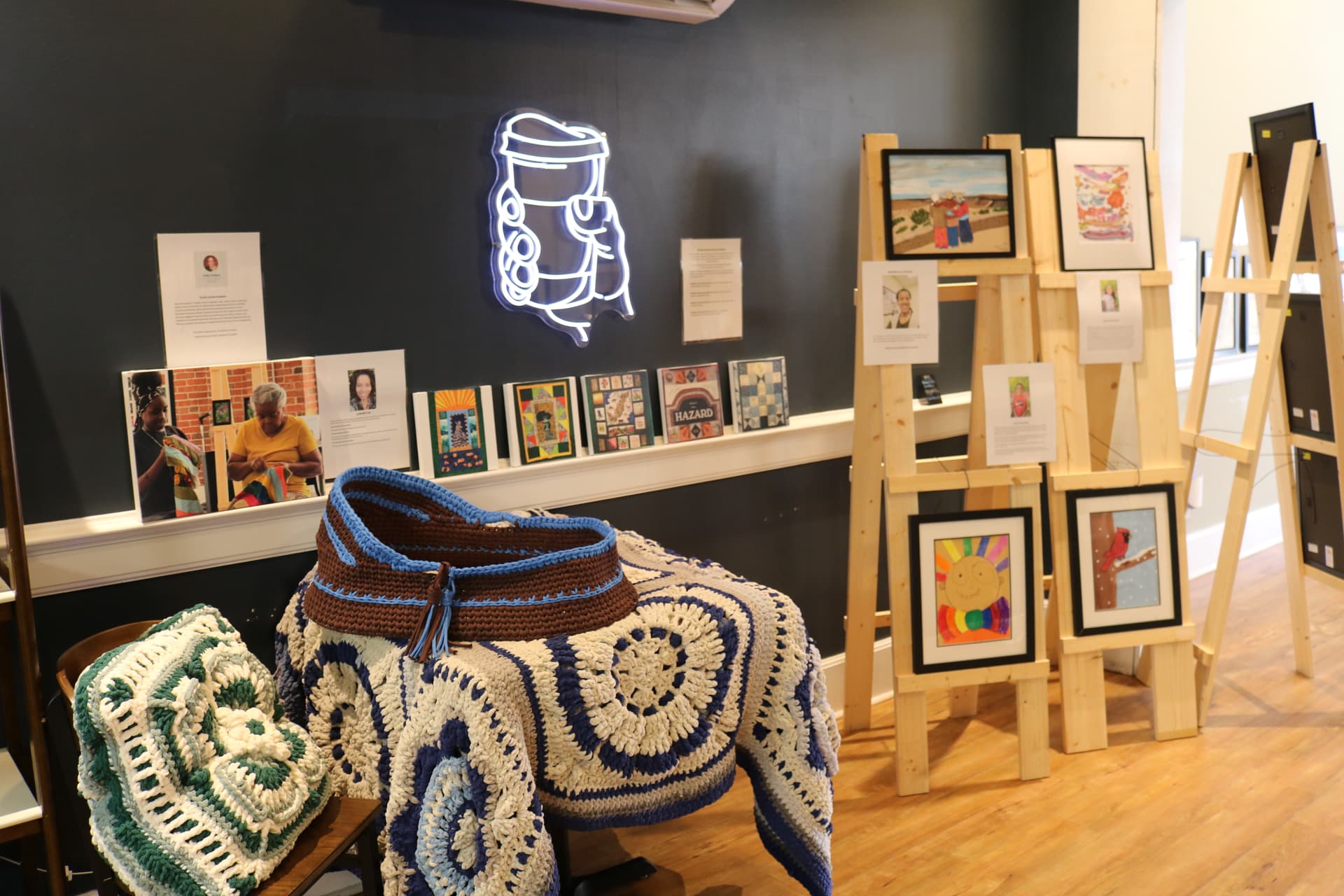
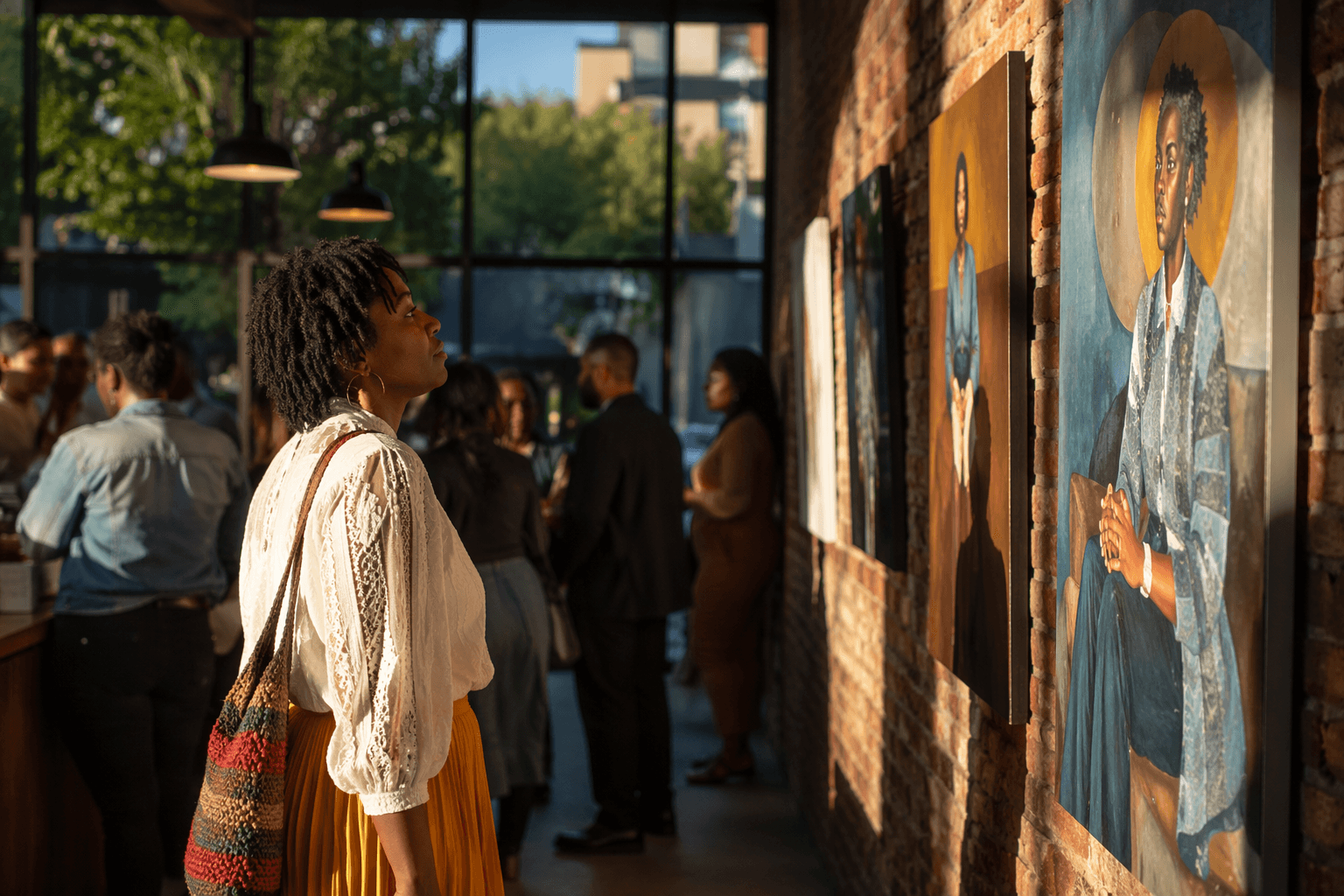
Hazard's Juneteenth observance is doing more than marking a holiday. In Perry County, it is turning Hazard Coffee Company into a classroom, gallery and gathering place where Black Appalachian history is being told through art, performance and local memory.
A local exhibit with a broader message
The Southeast Kentucky African-American Museum and Cultural Center has mounted its 2026 Juneteenth art exhibition at Hazard Coffee Company under the title, *The Roots: Black Art and Life In These Hills*. The show features artists who are local to Hazard or connected to the community, which gives the display a direct link to the people whose stories it is trying to preserve.
Emily Hudson, the museum’s founder, pastor and poet, said she started the organization because she wanted people to understand that Black people have a rich history in the mountains and in Hazard. That idea sits at the center of the exhibition: it is not just a celebration of creativity, but a public statement that Black life has always been part of Eastern Kentucky.
Why Juneteenth matters here
Juneteenth commemorates June 19, 1865, when enslaved people in Galveston, Texas, learned they were free under the Emancipation Proclamation. In Hazard, Hudson has tied that national history to a local reality that is often overlooked, arguing that Black Americans are still fighting for freedom and recognition in ways that go beyond one day on the calendar.
That framing matters in Perry County because the region’s story is often flattened into a narrow idea of Appalachian identity. Hudson has pushed back against the assumption that Black people do not live in the mountains or contribute to the region’s culture, and the museum’s work is built around proving otherwise through visible, shared public education.
Learning is built into the weekend
The Juneteenth weekend includes sessions with the Community Scholars Program through Western Kentucky University’s Kentucky Folklife Program, giving the observance a strong educational edge. The Community Scholars Program is a free educational outreach program that trains participants to document, interpret and present local cultural resources and traditional arts, and the Kentucky Arts Council says certification can open the door to future research projects.
In Hazard, the program has included in-person and virtual sessions, with community partners such as Hudson and Delainey Bowers of Kentucky Folklife Magazine. The Kentucky Folklife Program describes Community Scholars as people who work with local partners to document, interpret and share local culture, and that model fits Hazard’s approach closely: teach the history, make it public, and leave the community with tools to keep telling it.
The program also has local precedent. In 2024, Community Scholars sessions in Hazard were held in person at The Arts Alliance and the Foundation for Appalachian Kentucky Conference Room on Main Street, showing that this work has been building over time rather than appearing for a single event.
Friday's programming mixes history and performance
Friday's Juneteenth programming includes a History Speaks Summer Camp, a gallery reception and a performance by Aristotle Jones, known as the Appalachian Soul Man. That combination matters in a place where culture often comes through church, family history, music and oral tradition, not just formal classrooms or museum walls.
The performance piece gives the weekend a broader audience, while the summer camp and reception help anchor the event in teaching. Together, they make the exhibit feel less like a static display and more like a conversation about who gets remembered in local history and who gets left out.
A museum built around preservation, not just celebration
The Juneteenth exhibit fits into a larger effort by the Southeast Kentucky African-American Museum and Cultural Center, which began in 2020 and has been working toward a permanent brick-and-mortar home in Hazard. The organization also offers an internship program for students who want to learn how to document and preserve Black history, a reminder that this work is aimed at the next generation as much as the current one.
Former intern Jadrian Wells said the experience changed how he saw himself and his community. That kind of outcome is part of what makes the museum’s mission so important locally: it is not only recovering history, it is shaping identity and showing young people that their stories belong in the public record.
Hudson has also been building that record through projects that reach beyond the exhibit hall. In 2022, she launched the Stories Behind the Quilt workshops to revive quilting traditions in Hazard’s Black community, and participants have described uncovering family history through old quilts. Those workshops show how memory can live in objects as well as in archives, with craft becoming a path back to family and place.
The museum’s work also received a boost in 2024, when it got a $30,000 grant from South Arts. Hudson said that support was meant for archiving and interviewing training and for travel to other museums, all of which strengthens the museum’s ability to preserve local history with professional care.
Why Perry County should pay attention
Hazard’s Juneteenth observance is not just about honoring the past. It is about making Black Appalachian history visible in the present, in a county where that history has often been pushed to the margins. By pairing a local art exhibit with free educational programming, student mentorship, quilting workshops and live performance, the museum is creating a model for how cultural memory can be shared, taught and carried forward in Eastern Kentucky.
This article was produced by Prism’s automated news system from verified source data, official records, and press releases, then run through automated quality and moderation checks before publishing. The system is built and supervised by the people who set the standards it runs under. Read our full AI policy.
Did this article answer your question?