Kentucky’s Halo Act creates 25-foot buffer around first responders
Kentucky's Halo Act now gives first responders a 25-foot buffer at emergency scenes, and Perry County deputies say it should keep tight roadside calls safer. Refusing to back off can bring felony charges.
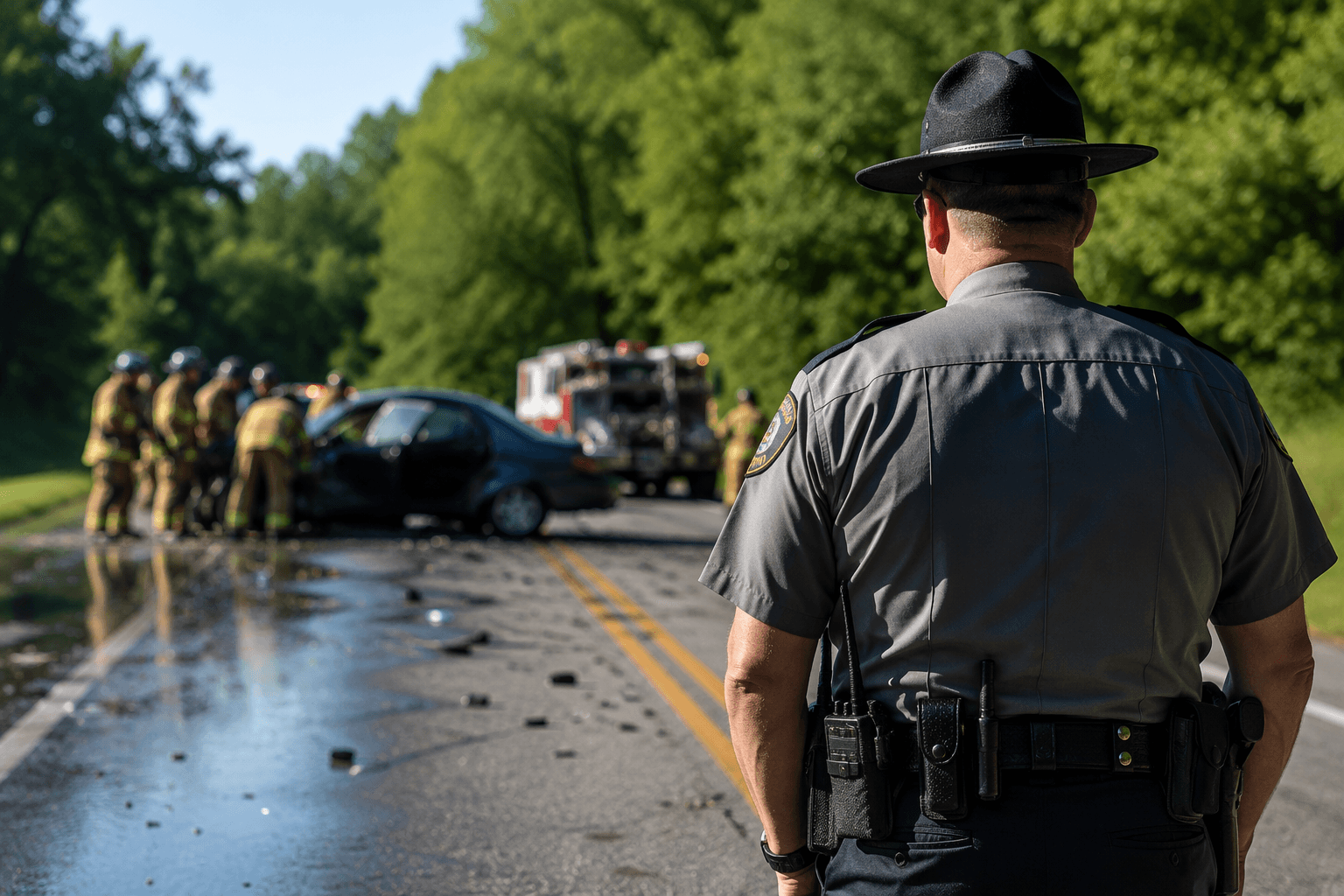
The Halo Act took effect July 15, creating a mandatory 25-foot buffer at emergency scenes for police, firefighters, paramedics, EMTs and other first responders. In Perry County, where deputies and rescue crews often work narrow roads, steep hollows and crowded wreck sites, the change is meant to keep onlookers and passing drivers from getting too close.
Chief Deputy Jason Duff of the Perry County Sheriff's Office said the law should help responders work safely and effectively. The buffer gives crews room to stage equipment, check hazards and communicate at traffic stops, crashes, fires and roadside medical calls. A clear perimeter also gives law enforcement a firmer basis for moving people back when a scene is too tight to work.
The measure is Kentucky Senate Bill 104, the HALO Act, an act relating to first responders. A first offense is a Class C felony, and repeat offenses carry the same charge with a mandatory minimum sentence of five years. Under Kentucky law, a Class C felony is punishable by five to 10 years in prison.
Bowling Green police Public Information Officer Ronnie Ward said the law targets people who interfere with responders or refuse to comply, not bystanders who step in to help. In practice, that means a person who ignores orders to back up from a wreck on a county road or crowds a roadside ambulance scene could face felony exposure.
This article was produced by Prism’s automated news system from verified source data, official records, and press releases, then run through automated quality and moderation checks before publishing. The system is built and supervised by the people who set the standards it runs under. Read our full AI policy.
Did this article answer your question?