Purple Bibles honor Bryan Dean Carroll's memory for over 20 years
Purple Bibles still circulate in Perry County more than 20 years after Bryan Dean Carroll’s death, turning one family memory into a visible local ritual.

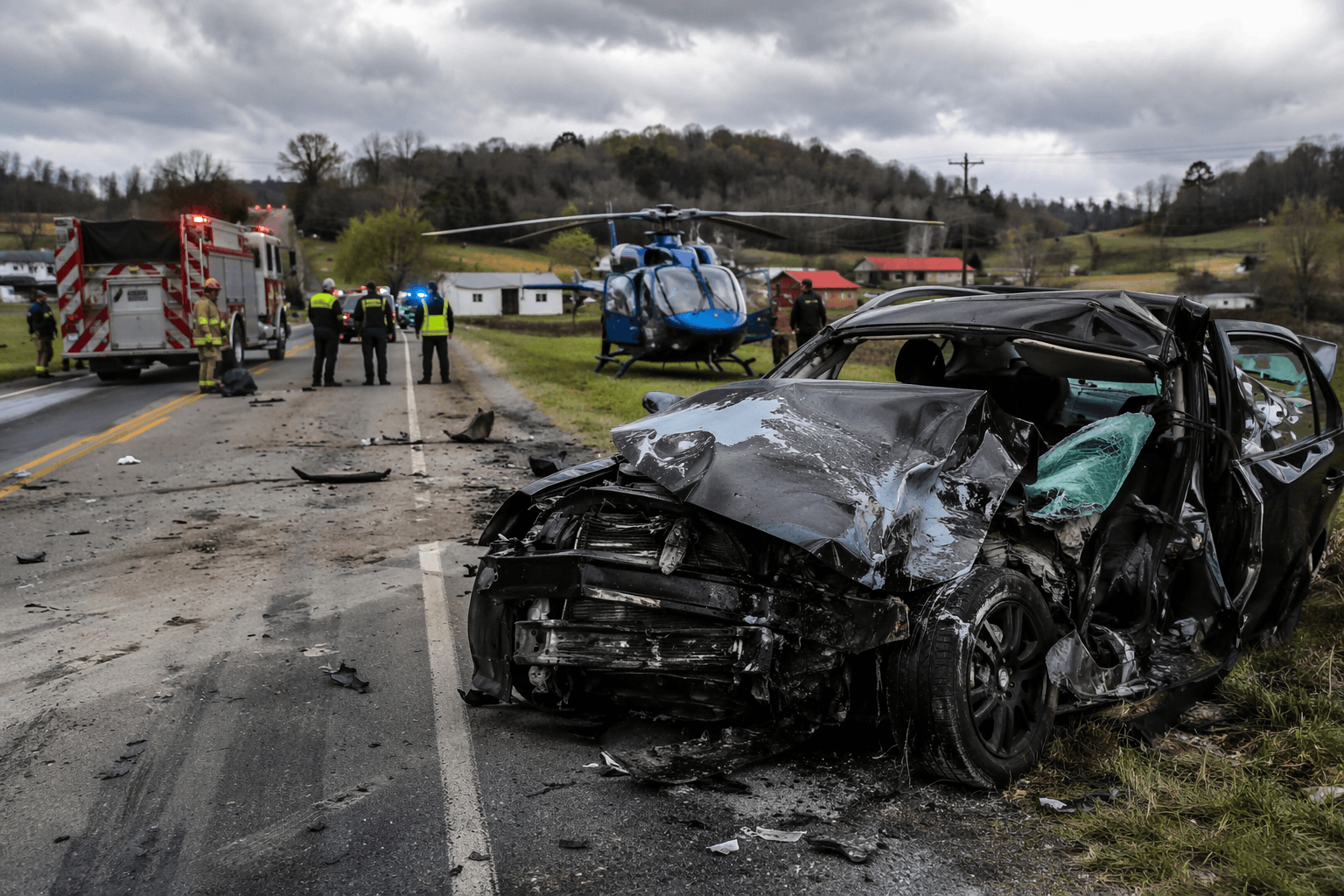
Purple Bibles have moved through Perry County for more than two decades, keeping Bryan Dean Carroll’s name visible long after the crash that took his life in January 1998. The tradition is simple enough to pass from hand to hand, but durable enough to outlast the private grief that started it. It remains one of the clearest ways the county has kept a young man’s memory in public view.
A memorial people can hold
The purple Bible gives this remembrance its shape. It is not just a mention, a plaque, or a date on a page, but a physical object that can be shared, kept, and recognized immediately by its color. That makes the memorial easy to repeat year after year, and it helps the family turn remembrance into something visible rather than something that fades into conversation alone.
The purple color matters because it ties identity to the memorial itself. In a county where community memory often lives in churches, cemeteries, and family stories, the Bibles carry both faith and continuity in a form people can touch. The result is a tradition that works as both tribute and signal: Bryan Dean Carroll is still being remembered, and the people who hand out the Bibles are still choosing to make that memory public.
The life behind the name
Bryan Dean Carroll was born June 28, 1979, and died January 4, 1998, at age 18. His death came in a car accident, ending a life that had only just entered adulthood. Those dates matter because they frame the memorial as more than a general act of remembrance. It is tied to a teenager from Perry County whose loss was sudden, specific, and lasting in the lives around him.
His burial at Johnson Family Cemetery in Chavies places that memory firmly in Perry County, Kentucky. Chavies is not a distant reference point in this story. It anchors the memorial in local ground, the same county where the purple Bibles continue to circulate. That connection between burial place and ongoing tribute helps explain why the tradition remains legible to local readers even after so many years.
Why the tradition has lasted
A memorial that lasts more than 20 years usually survives because it still means something to the people carrying it forward. In this case, the purple Bible giveaway appears to have endured because it is tied to family memory as much as public remembrance. It marks Bryan Dean Carroll not as a forgotten name from the past, but as someone still claimed by relatives and still recognized by people who knew the family.

That family link shows up in the obituary for Bonnie Jean Carroll, which identifies Bryan Dean Carroll as her grandson. That detail places the memorial inside a broader family history rather than treating it as a one-time gesture. The continuation of the Bible distribution suggests that the family has kept the memory active, turning private loss into a ritual others can see and remember.
The fact that the tradition is still tied to Bryan Dean Carroll more than two decades after his death also tells readers something about how memory works in Perry County. Community identity here is not built only through official ceremonies or public records. It also lives through repeated acts of keeping a name in circulation, especially when those acts are rooted in faith and family.
What the Bibles say about local memory
The purple Bibles are memorable because they combine color, faith, and a personal story into one object. That makes them different from a passing mention or an annual post. Each Bible carries the same basic message: Bryan Dean Carroll is still being honored, and the people who loved him have not let that memory disappear.
That kind of memorial has civic weight even without a government role or public funding. It shows how a county records its own history through ordinary acts that become traditions. In Perry County, where many public stories center on schools, roads, meetings, or legal matters, this remembrance offers another kind of local record, one shaped by family loyalty and repeated by hand.
The endurance of the purple Bible tradition also gives the county a visible marker of continuity. The memorial does not depend on a single anniversary or a one-time gathering. It lasts because the people who carry it forward keep choosing to do so, and because Bryan Dean Carroll’s story remains recognizable enough to hold that practice together.
A Perry County story that still lives in the open
Bryan Dean Carroll’s life ended in 1998, but his memory has remained active through a tradition that can still be seen, held, and passed along. The purple Bibles make that memory public in a way that is both personal and unmistakable. In Perry County, that is how one young man’s name has stayed present for more than 20 years, not as a relic, but as part of the community’s living identity.
This article was produced by Prism’s automated news system from verified source data, official records, and press releases, then run through automated quality and moderation checks before publishing. The system is built and supervised by the people who set the standards it runs under. Read our full AI policy.
Did this article answer your question?