University of Kentucky students document daily life in Perry County
UK photojournalism students spent four days in Hazard and Perry County, capturing daily life from an outside lens. The work tests how the county sees itself.
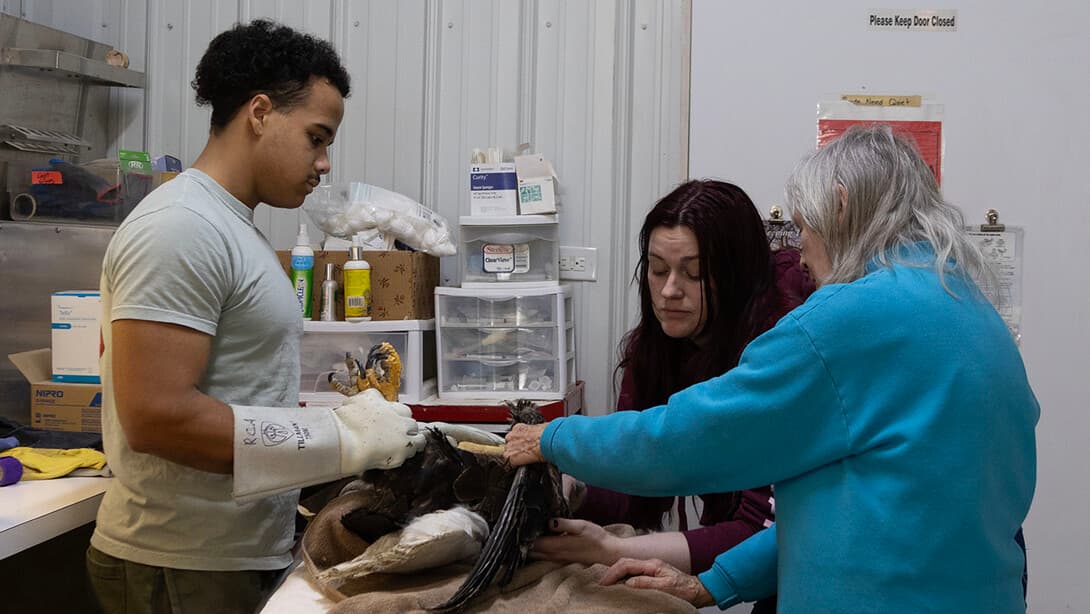
University of Kentucky photojournalism students spent four days documenting life in Hazard and across Perry County, turning familiar streets, public spaces, and civic landmarks into a classroom. The assignment matters because it asks outsiders to decide what daily life here looks like, and then to preserve that version of the county in photographs. In a place often discussed through numbers or regional labels, the images become a test of representation, identity, and truthfulness.
A county seen through a documentary lens
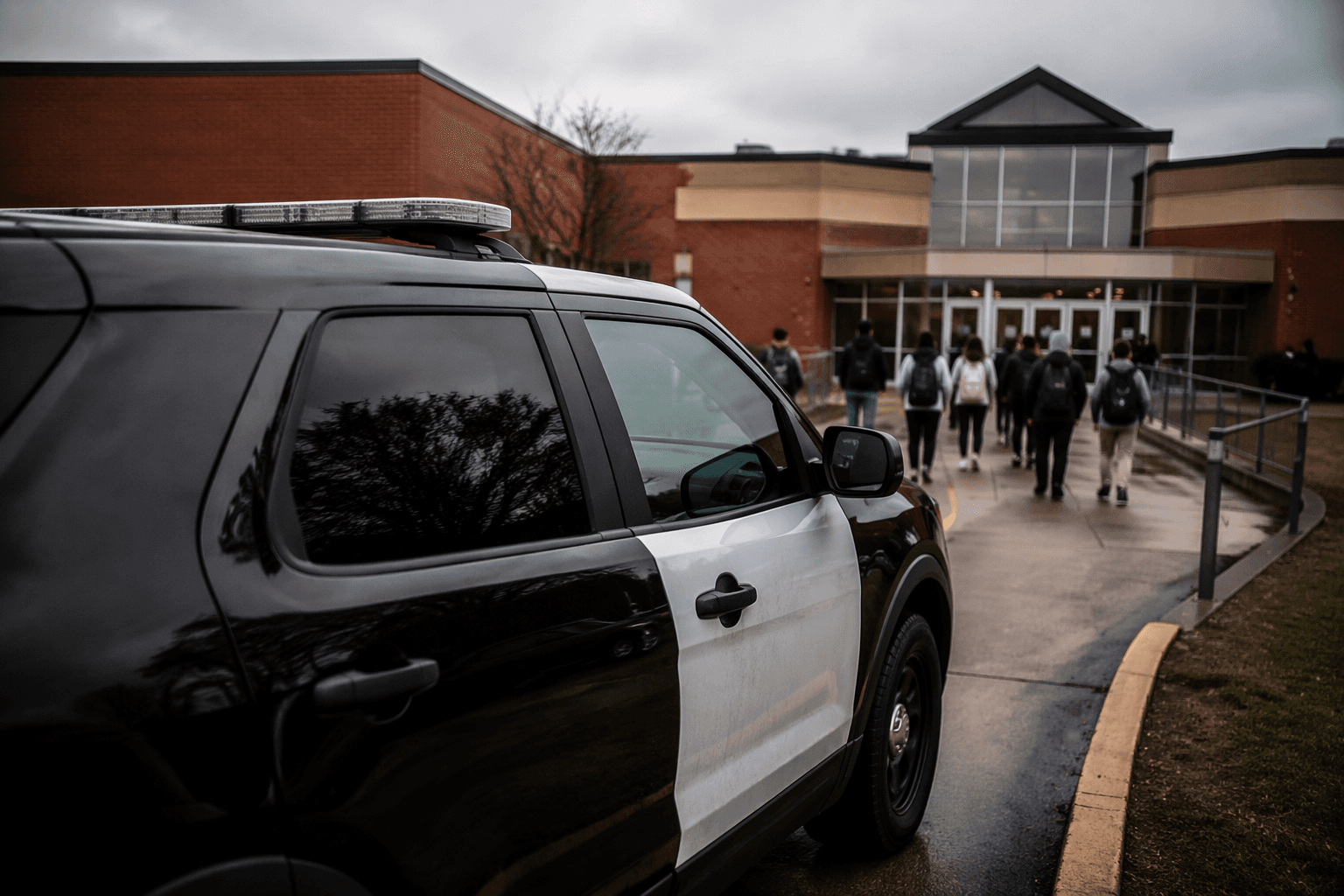
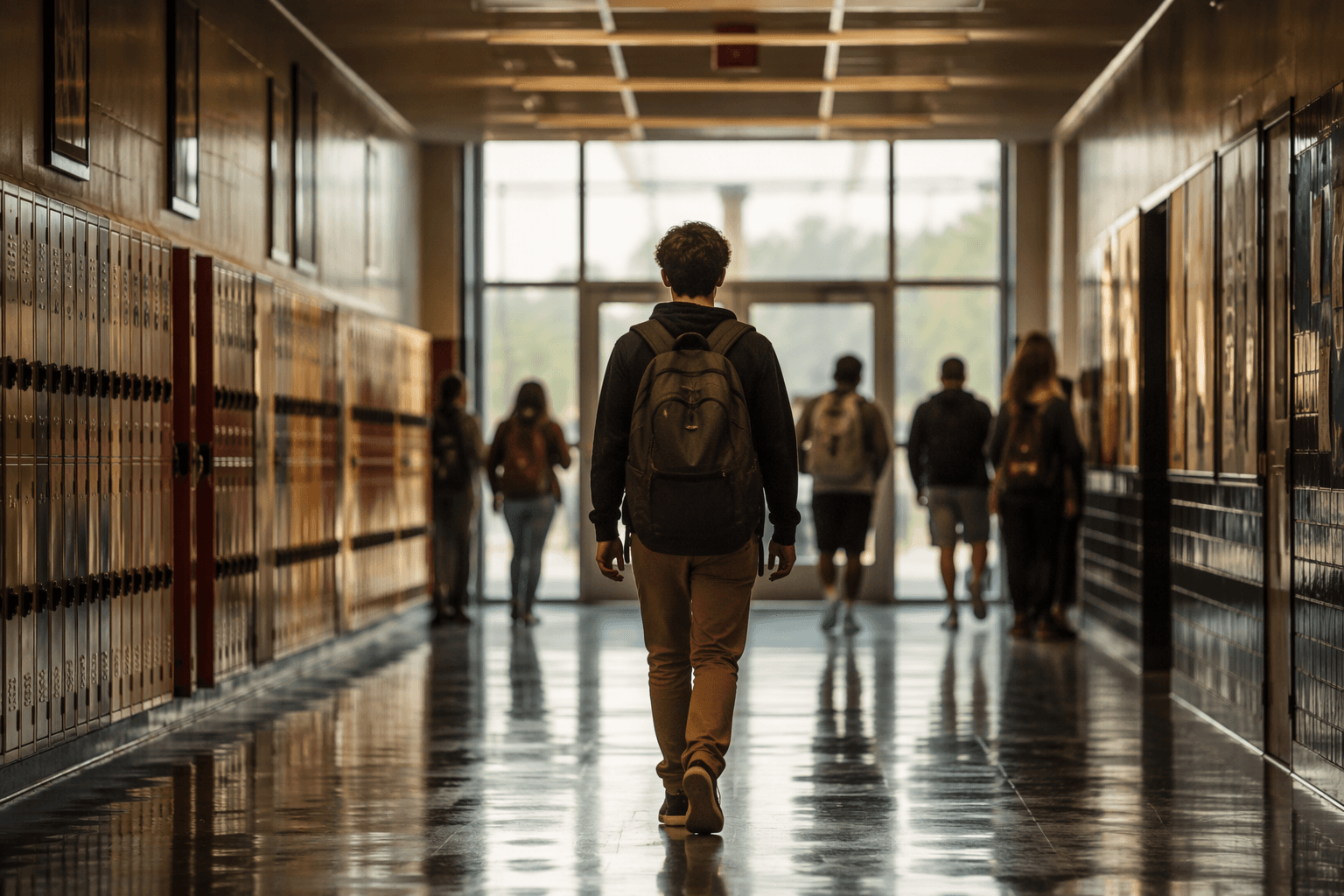
The core of this project was immersion. Students moved through neighborhoods, downtown scenes, local institutions, and the places people use every day, looking for the details that usually go unremarked. In Perry County, that can mean residents at work, children and families in public spaces, civic buildings, or small moments that reveal how people move through Hazard and the surrounding county.
That approach changes the subject from scenery to lived experience. Instead of flattening Perry County into a statistic or a stereotype, the photos can show routines, relationships, and local texture. The selection of what gets photographed matters as much as the pictures themselves, because the final story depends on whether the images capture the county as residents recognize it.
Why the images matter to local identity
For a community like Hazard, a student workshop can carry a kind of quiet civic weight. When students from a major state university spend several days documenting local life, the work sends a clear signal that Perry County is worth studying, worth photographing, and worth telling stories about. That recognition can land differently in a region that is often framed from the outside by economic struggles, health statistics, or broad Appalachian narratives.
Documentary work gives faces and context to those larger stories. It can show resilience without reducing people to hardship, and it can highlight local culture without turning it into a postcard. The strongest images from a workshop like this are often the ones that look ordinary at first glance, then reveal how much of a community is built into a single street corner, a storefront, a public gathering place, or a family passing through the frame.
The practical value is just as important. Photos from a four-day workshop can later appear in class projects, exhibits, portfolios, or broader storytelling about Eastern Kentucky. They can also help promote local events or preserve a visual record that families and institutions may value later. In that sense, Perry County becomes both the subject and the setting of the story.
UK’s documentary training has a wider reach
This kind of immersive assignment is part of a larger training model at the University of Kentucky. UKNow documented a 2023 Picture Kentucky Photojournalism Workshop in Frankfort, where journalism student Samuel Colmar was photographed lining up a shot at sunset on Oct. 12, 2023. That workshop shows that hands-on documentary work is not an isolated class trip, but a recurring part of student training.
The university’s photojournalism program has also posted competitive results at the national level. UK School of Journalism and Media students have placed in the top 10 in the Hearst photojournalism competition, and a UK School of Journalism and Media graduate finished second in the Hearst National Photojournalism Competition. Those results help explain why a workshop in Perry County carries weight inside the program: it is part of a documented tradition of field reporting and visual storytelling.
The university’s local ties go beyond photography
Perry County already has a direct University of Kentucky presence through the Perry County Extension Office at 933 Perry Park Rd., Hazard, KY 41701-5322. The office can be reached at (606) 436-2044 or perry.ext@uky.edu, and its programming covers 4-H Youth Development, Agriculture & Natural Resources, Family & Consumer Sciences, and Community & Economic Development. That mix shows how deeply the university is already woven into county life, far beyond journalism.
The county has also been part of university-led planning work. The Community and Economic Development Initiative of Kentucky produced a Perry County Downtown Revitalization Project Summary in 2020, adding another layer to the record of how UK has studied change in Hazard and Perry County. That matters because the student photographs arrive in a place where the university has already been involved in documenting community development, not just observing it from a distance.
Health, history, and the broader Kentucky frame
UK’s attention to Hazard and Eastern Kentucky has not been limited to culture or planning. A 2017 UKNow story noted that Kentucky has one of the highest stroke rates in the nation and that cardiovascular disease is especially severe in Eastern Kentucky. That public-health context helps explain why outside institutions often look to this region when discussing rural health, access, and long-term community needs.
UKNow also highlighted the North Fork Valley Community Health Board in Hazard in 2021, another sign that the university’s relationship with the county has continued across different fields. Photography does something different from health reporting or planning studies, but it still fits the same pattern: it brings outside attention to Perry County while forcing the viewer to reckon with the place on its own terms.
What the workshop leaves behind is more than a folder of images. It adds to an ongoing visual record of Hazard and Perry County, one built from ordinary places and everyday movement rather than broad generalities. The best documentary work from here will be judged by residents the same way any honest portrait is judged, by whether it looks like home.
This article was produced by Prism’s automated news system from verified source data, official records, and press releases, then run through automated quality and moderation checks before publishing. The system is built and supervised by the people who set the standards it runs under. Read our full AI policy.
Did this article answer your question?