UPIKE Backs Kentucky College of Optometry Amid Licensing Test Controversy
UPIKE has publicly defended its Kentucky College of Optometry as state licensing questions over pandemic-era exam waivers prompt a board investigation that could affect local eye care access.
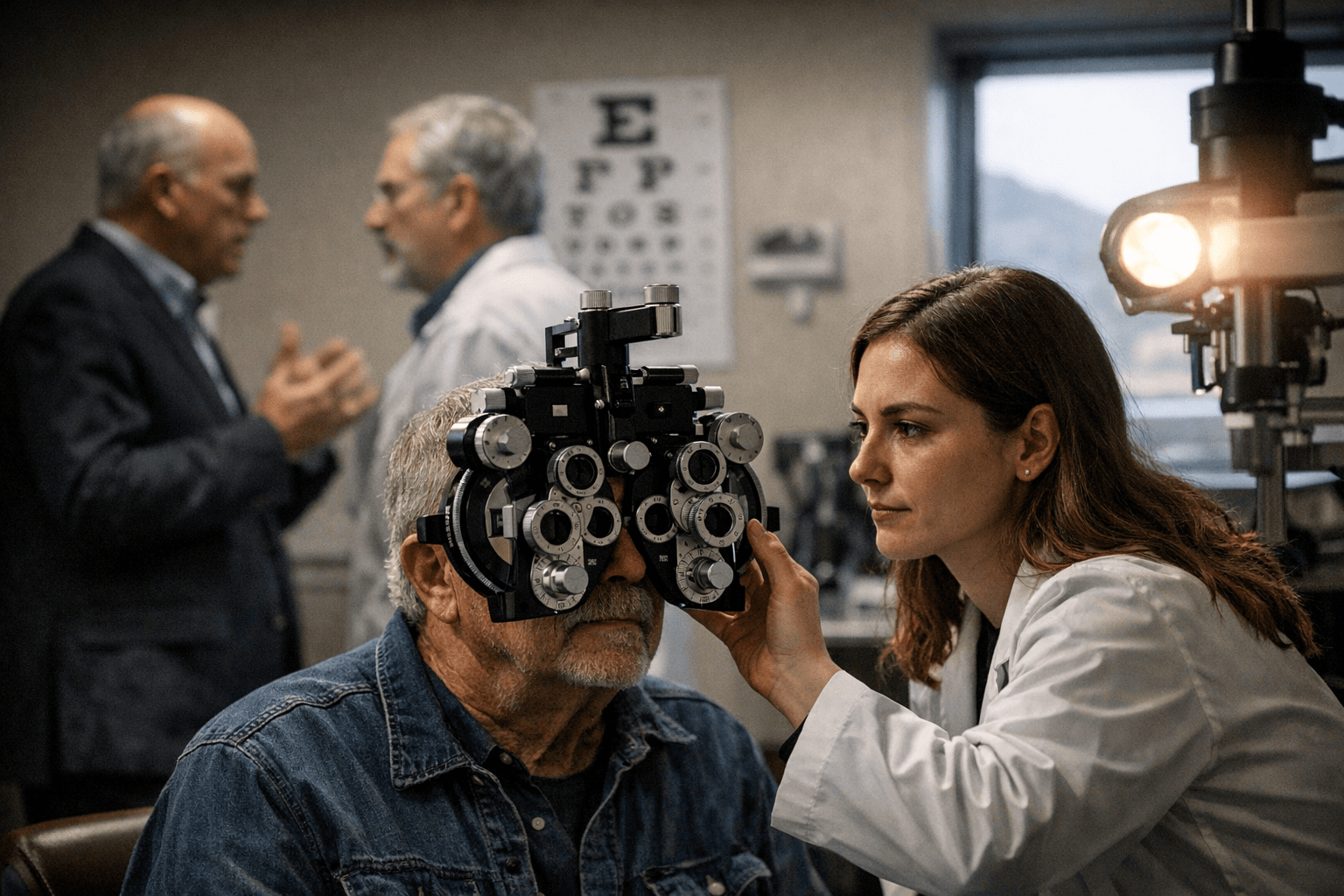
UPIKE issued a public statement backing the Kentucky College of Optometry after state licensing practices came under scrutiny for allowing alternatives to parts of the National Board of Examiners in Optometry exam. The dispute centers on waivers and alternative testing options adopted after COVID-19 travel restrictions and on whether those options met national credentialing standards.
The Kentucky Board of Optometric Examiners said in a Feb. 5 statement that it has investigated alternative testing options and that some substitutes did not include all required parts of the NBEO licensing exam. The board cautioned, “Until the conclusion of its investigation, the KBOE cautions the public from relying on incomplete or potentially misleading information.” The board has also moved to require passing NBEO scores for certain license renewals, and reporting indicates an emergency filing at the end of the year intended to require some optometrists to pass national exams upon relicensure.
National exam officials have raised questions about how Kentucky licensed some clinicians. The National Board of Examiners in Optometry reportedly asked the board to review a group of 21 optometrists whose records showed failure of one or more parts of the three-part national exam. Former NBEO president Michael Ohlson told reporters, “I’m unaware of any literature citing a state board exam as equivalent to the national board exam, and certainly not better.”
Local implications are practical and immediate. KYCO was founded in 2016 and, UPIKE said, has graduated more than 300 optometrists. UPIKE’s statement highlights the college’s rural focus, noting KYCO has expanded eye care access through clinics and vision screenings in 50 elementary schools across 13 counties, reaching more than 11,000 children. UPIKE told the public that KYCO “remains fully accredited and continues to focus on educating competent clinicians prepared to serve in all settings, especially in rural and underserved areas.” UPIKE also stated, “The college has no influence or connection with the KBOE beyond the routine provision of academic records or continuing education verification when requested.”
Media reporting has named specific licensees and described board practices. Troubleshooter reporting identified three optometrists by name and said the board allowed substitutes such as an Oklahoma state exam and Canadian exams in place of NBEO parts. Those reports also note a regulatory action aimed at clinicians licensed under the waivers.
The controversy raises potential conflict-of-interest and public-safety questions. Reporting includes differing timelines about former board president Joe Ellis and his prior service on the UPIKE Board of Trustees; UPIKE’s statement denies trustee overlap with KBOE roles, while other accounts suggest an overlap that warrants documentary verification. The board’s regulatory actions and the NBEO inquiry may affect licensure, relicensure, and the availability of providers who serve Perry County and surrounding coalfield communities.
For Perry County residents, the dispute matters because KYCO graduates supply primary eye care in rural clinics and school screenings. The KBOE investigation and any implementing rules could change who is eligible to practice here and when. Expect further clarification from the board and UPIKE as investigation results, rule text, and any required exam outcomes are finalized.
Know something we missed? Have a correction or additional information?
Submit a Tip