Elaine museum aims to tell fuller Phillips County history
Elaine’s museum is recasting the town as a place of Black labor, family life and resilience, while chasing visitors, school trips and new dollars for Phillips County.
Elaine’s story is getting larger
In Elaine, a museum project is trying to change the town’s reputation from a site of loss into a place with a full Black Arkansas history. The Elaine Museum and Richard Wright Civil Rights Center says the community is “more than just the memory of massacre,” and it is building around that idea a future that includes art exhibits, cultural events and educational opportunities.

That shift matters in Phillips County because history here is not abstract. It shapes who comes to town, what children learn about the county they live in, and whether heritage tourism can become a real part of the local economy. In a place with only 509 residents in the 2020 Census, down from 636 in 2010, even small gains in school visits, grant funding or visitor traffic can carry outsized weight.
A site defined by tragedy, but not only tragedy
The museum sits in Elaine, in the middle of Phillips County farmland, on ground that many still treat as hallowed because of the 1919 Elaine Massacre. That violence began on September 30, 1919 and continued through October 7, 1919, after a meeting of the Progressive Farmers and Household Union of America at Hoop Spur church near Elaine set off a deadly confrontation. The union itself had been founded in 1918 by sharecropper Robert Lee Hill in Winchester, Arkansas, to help Black farmers demand fair wages and treatment.
At the center of the first shootout were white officer W. A. Adkins, who was killed, and Charles W. Pratt, who was wounded. The violence escalated quickly, with estimates of Black people killed ranging into the hundreds, while five white people died. The U.S. Army eventually sent more than 500 soldiers to Elaine after the bloodshed began, underscoring how far the crisis spread beyond a single local dispute.
The history is inseparable from the county’s plantation economy and racial hierarchy. Phillips County was 78.6% Black in 1910, and Elaine was incorporated on April 23, 1919, just months before the massacre. The town was deliberately laid out in 1911 with separate neighborhoods for white and Black families, a reminder that segregation was built into the landscape long before the violence erupted.
Why the museum is pushing a fuller identity
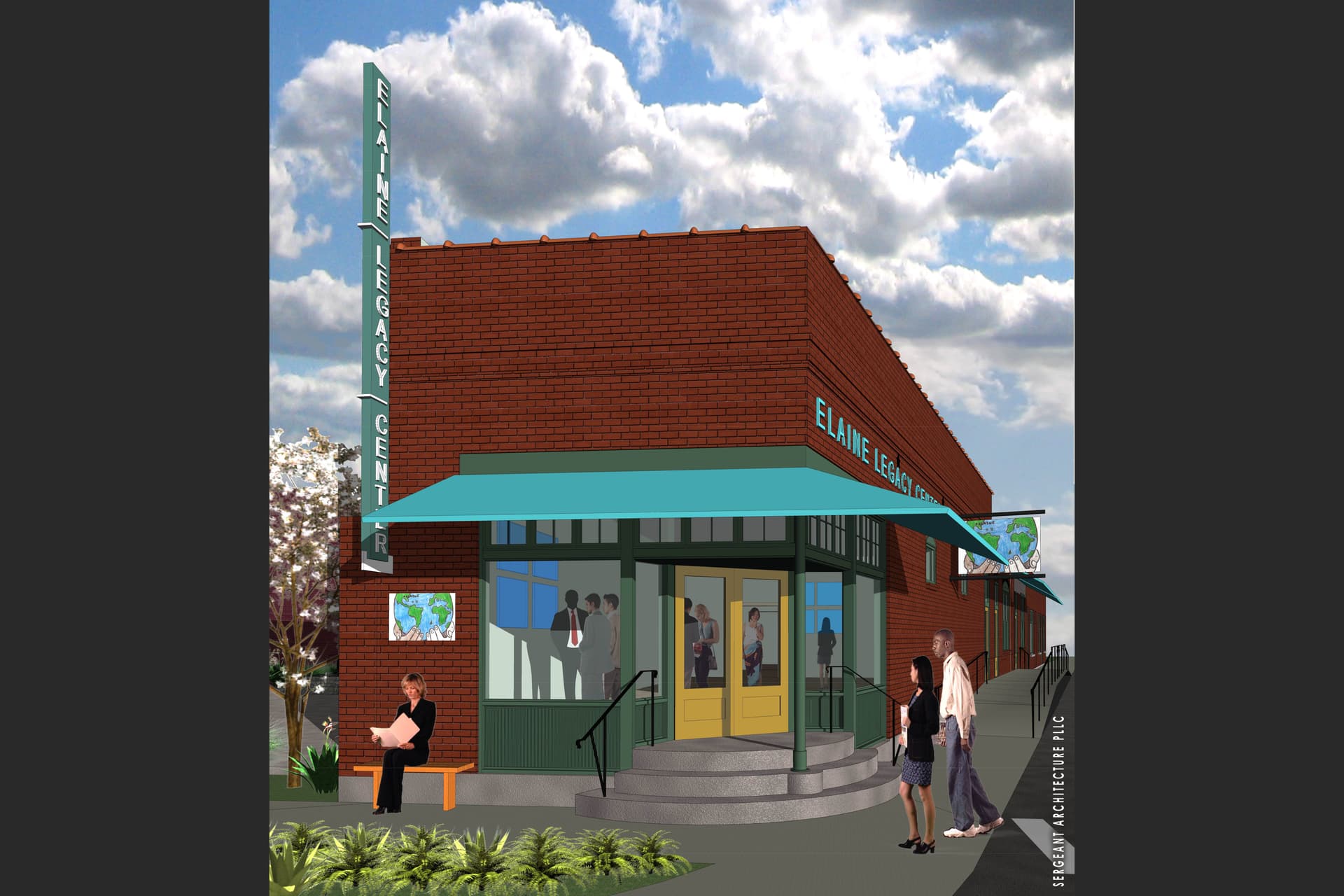
The museum and the Elaine Legacy Center are arguing that Elaine should be understood as a place of Black prosperity, racial cooperation, hope and resilience, not only as the site of a massacre. That broader framing is also economic. A town that tells a richer story can attract school field trips, heritage travelers and grantmakers looking for places where history is tied to living community work.
The museum project is part of a wider rebranding of Elaine as the “Motherland of Civil Rights,” and the Legacy Center says its mission is to strengthen the community, end poverty that has existed for more than 100 years and commemorate those killed in the 1919 violence. The Legacy Center opened in February 2017, according to the Encyclopedia of Arkansas, and it is located at 112 Main Street in Elaine, making it a physical anchor for visitors who want to understand the town beyond roadside memory.
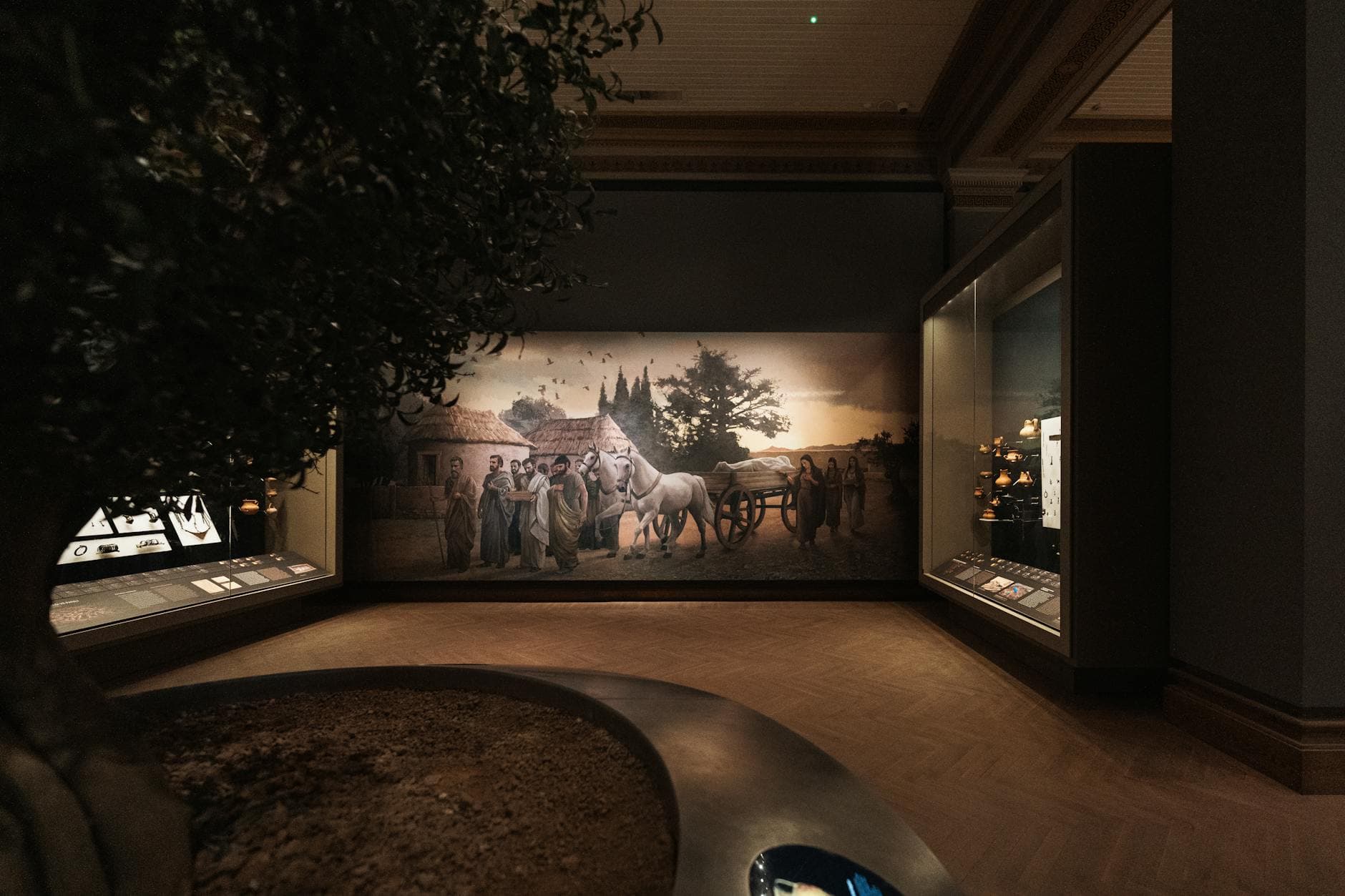
That broader identity also fits the historical record. Elaine once had paved streets, concrete sidewalks, electric lights, brick store buildings and a brick schoolhouse, details that complicate the idea of a forgotten Delta settlement. The town’s past includes not just violence but evidence of investment, ambition and Black life in a county where labor and land have long shaped opportunity.
Richard Wright gives the site a national literary link
The museum’s name also ties Elaine to one of the most important Black American writers of the 20th century. Richard Wright moved to Elaine in 1916 to live with his aunt Maggie and uncle Silas Hoskins, and the murder of Hoskins by a white man later shaped Wright’s writing and his understanding of racial terror. That connection gives the site a second layer of meaning: it is not only about remembering the dead, but about understanding the early life of a writer whose work helped define the language of American racial injustice.
The Center’s 2022 dedication made that link tangible. Burial rites were held for Silas Hoskins and unnamed victims, and Julia Wright, Richard Wright’s daughter, joined by Zoom. Those moments turned remembrance into public ritual and gave descendants a place in the story, not just historians or tourism officials.
That is also why the site’s leaders say the town still needs a public monument or museum of its own. Elaine Mayor Lisa Hicks Gilbert has said the town where the massacre happened still lacks that kind of on-site acknowledgment. Dr. Mary Olson, the center’s spokesperson and a white Methodist minister, has framed the work as a direct answer to Richard Wright’s question about why nothing was done about systemic violence against Black communities.
From memory work to local development
The museum and Legacy Center are not treating preservation as a standalone project. In 2023, the center was promoting garden projects on vacant lots, describing them as a way to educate, employ and nourish residents. That effort was tied to a practical problem: fresh produce is hard to access locally, and people often have to drive 20 to 30 minutes to reach a grocery store.
James White, a descendant of massacre victims and a board member associated with the project, has said the center is about preserving and sharing oral histories while improving quality of life in a town of roughly 600 people. That combination of commemoration and day-to-day community work is what makes the museum relevant to Phillips County’s future, not just its past.
Tours of some massacre-related sites can be arranged by appointment through the Elaine Legacy Center, giving visitors a way into the landscape that shaped the 1919 violence. For Elaine, the challenge is no longer only how to remember what happened, but how to turn that memory into year-round visitation, stronger civic identity and a more durable local economy.
This article was produced by Prism’s automated news system from verified source data, official records, and press releases, then run through automated quality and moderation checks before publishing. The system is built and supervised by the people who set the standards it runs under. Read our full AI policy.
Did this article answer your question?