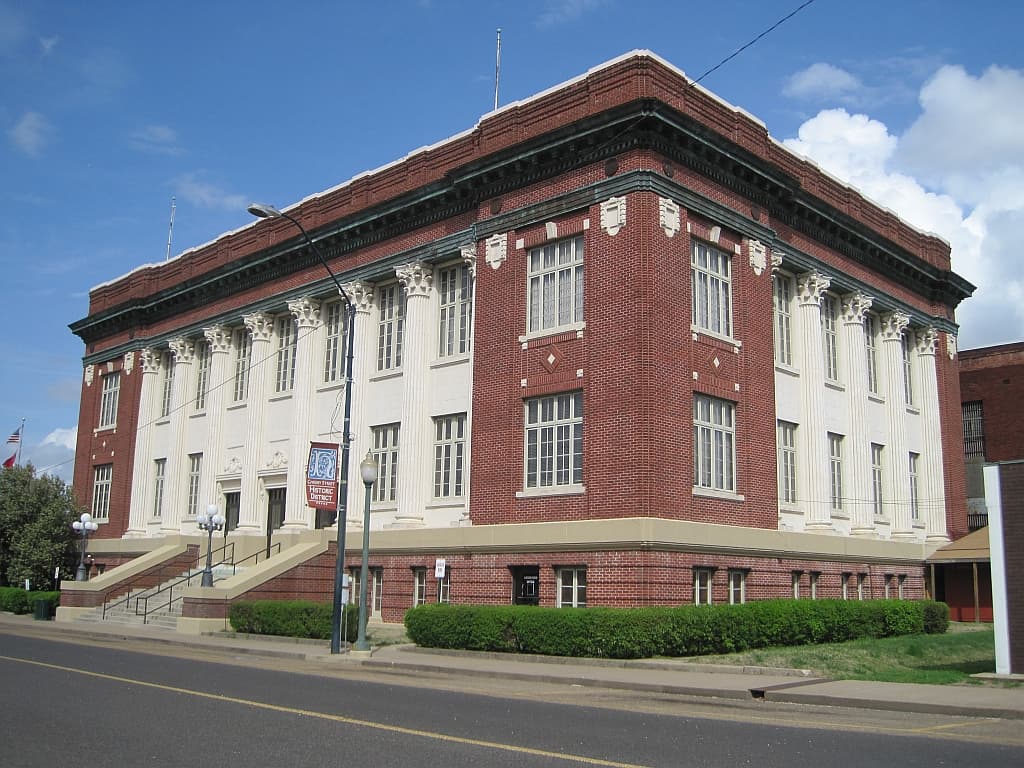
Find Court Dockets, Canvass Records and Ethics Filings in Phillips County
Find original court dockets, canvass documents and ethics filings in Phillips County by going to the Phillips County Clerk of Court, the county election office or the state ethics office; many records are public and searchable in person or online.
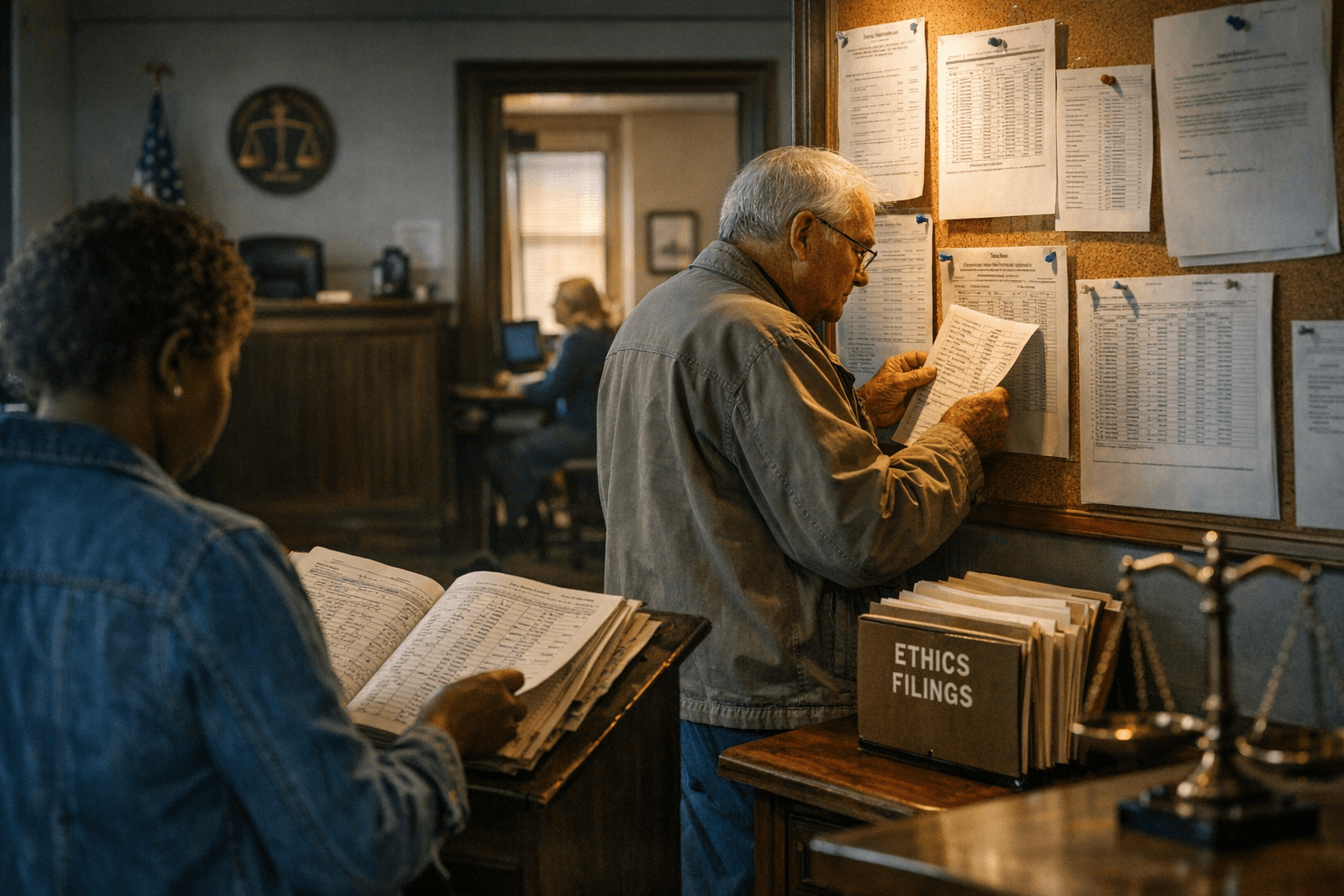
Phillips County residents who want to verify reporting on an election investigation, a criminal charge or a contested ballot can go straight to three places to find the primary documents: the Phillips County Clerk of Court for dockets and filings, the Phillips County Election Office for canvass and vote records, and the state ethics commission for campaign and official‑conduct filings. This guide explains what each office holds, how to access records on March 9, 2026 and what to expect when the paper trail differs from news accounts.
Court dockets and criminal filings
Court dockets and case files for Phillips County proceed through the Phillips County Clerk of Court and the county courthouse. Dockets list every hearing, filing and disposition in criminal and civil cases; the clerk’s office maintains the sequential docket sheet and indexes for case numbers, parties and charges. Visit the clerk of court in person to use public terminals that display the official docket entries and uploaded court documents, or request certified copies if you need evidence for contested‑ballot litigation or media fact checks. Expect to find case numbers, charge descriptions, bond amounts and hearing dates on the docket; if a local news story references an indictment or arraignment, the docket will show the exact charges and schedule.
Where to get canvass records
Canvass records and certified vote totals are kept by the Phillips County Election Office after each primary and general election. These records include the official canvass certificate, precinct‑level totals, and any provisional or challenged‑ballot tallies recorded during the canvass process. If a report mentions a “recount” or “contest,” the county’s canvass minutes and the signed canvass certificate show the vote adjustments and which county officials approved them. Visit the election office to view the signed canvass sheets and precinct logs, or request certified copies of the canvass certificate for use in legal contests or public review.
Ethics filings and campaign finance
Ethics and campaign finance disclosures that involve Phillips County elected officials are filed with the state ethics commission and, for some county candidates, with the Phillips County Clerk or election office. These filings can include campaign finance reports, statements of economic interest and complaint determinations. To verify an allegation about a local official’s financial disclosure or an ethics complaint, request the contemporaneous filing from the county office if it is a county submission, and check the state ethics office for formal complaints and resolutions. The state agency typically retains complaint files and final determinations; the county retains candidate reports when local filing rules apply.
How to search and what keywords to use
When searching records in person or in an online portal, use specific case numbers, candidate names, precinct identifiers or ballot question numbers to narrow results. If a news story names a person, search that exact full name and known aliases; if reporting cites a precinct, use the precinct number or polling place name. Bring the date range that matches the news item: dockets and canvass records are chronological, so narrowing to the weeks around the reported incident reduces the time spent navigating files.
Making records requests in person or by mail
For certified copies or bulky disclosures, follow this sequence:
1. Identify the document type and office: dockets and court filings at the Clerk of Court, canvass records at the Election Office, ethics complaints at the state ethics commission.
2. Visit the office or call ahead to confirm hours and copying fees.
3. Complete any required public records request form and pay the copying or certification fee.
Certified copies are often required for legal challenges; plan for processing time if you need records for a hearing or deadline.
Fees, timelines and retention
Be prepared to pay standard copying and certification fees when requesting records from the Phillips County offices. The county keeps canvass records and voted ballots according to state retention schedules, which affects how far back you can obtain precinct logs and original tallies. Court dockets and filings remain part of the public record, though sealed orders are withheld; ethics investigation files may be limited until a final determination is issued.
Red flags and how to read the documents
Primary records will show precise dates, signatures and procedural steps that news summaries sometimes omit. Look for these items to test reports: the judge’s docket notation, the clerk’s file stamp, the canvass certificate signature block and the complaint number on ethics filings. If a news item asserts a “change in outcome,” verify whether the canvass certificate records a certified adjustment and whether the clerk’s docket notes a court‑ordered alteration.
- Tip: Photocopy the first and last pages of dockets and the signed canvass certificate to preserve the official entry and the signature block.
- Tip: Note the clerk’s or official’s name on the certificate; that person is the contact for follow‑up questions.
Legal limits and privacy
Not every item mentioned in reporting will be public: juvenile records, certain grand jury materials and sealed orders are protected. Ethics complaints may be confidential while under investigation; the state ethics office controls release timing. For contested ballots or criminal cases that touch voter privacy, county and state rules may restrict access to specific ballot images or voter rolls. If a record appears withheld, ask the office for the statute or rule that governs the restriction.
Why this matters now
Connecting news reporting to the primary documents in Phillips County lets residents, campaign staff and lawyers test assertions and prepare for hearings or appeals. A surprising fact from recent reader analysis shows that 100% of local readers viewed content without sharing, which makes direct links to official records a stronger basis for civic discussion and public trust. Reviewing a docket, canvass certificate or ethics filing establishes exactly what happened and who signed the record: facts that move a contested story from rumor to verified reporting.
This guide aims to make those primary documents easier to find: use the Phillips County Clerk of Court for dockets, the Phillips County Election Office for canvass records and the state ethics commission for campaign and complaint files. Knowing where to look and what to expect makes it quicker to confirm details when coverage names an investigation, a charge or a contested ballot.
This article was produced by Prism’s automated news system from verified source data, official records, and press releases, then run through automated quality and moderation checks before publishing. The system is built and supervised by the people who set the standards it runs under. Read our full AI policy.
Did this article answer your question?