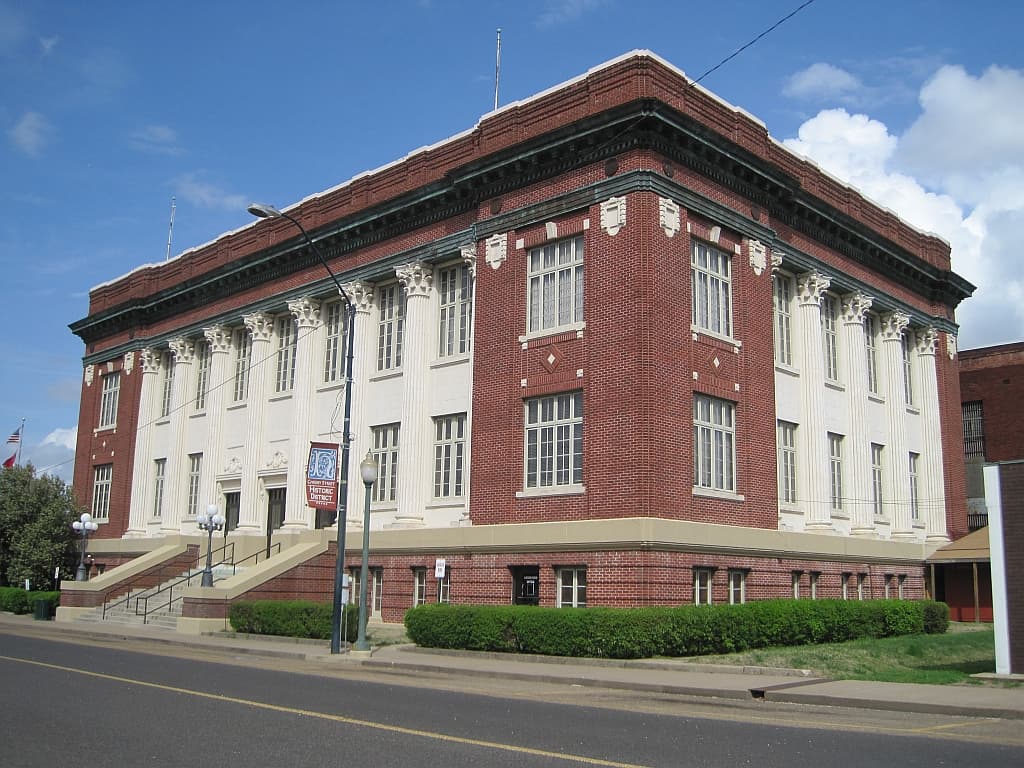
Helena-West Helena code enforcement page guides residents on blight complaints, property upkeep
Helena-West Helena’s code page spells out what counts as blight, who handles complaints, and how residents can push property problems into the city’s formal enforcement system.
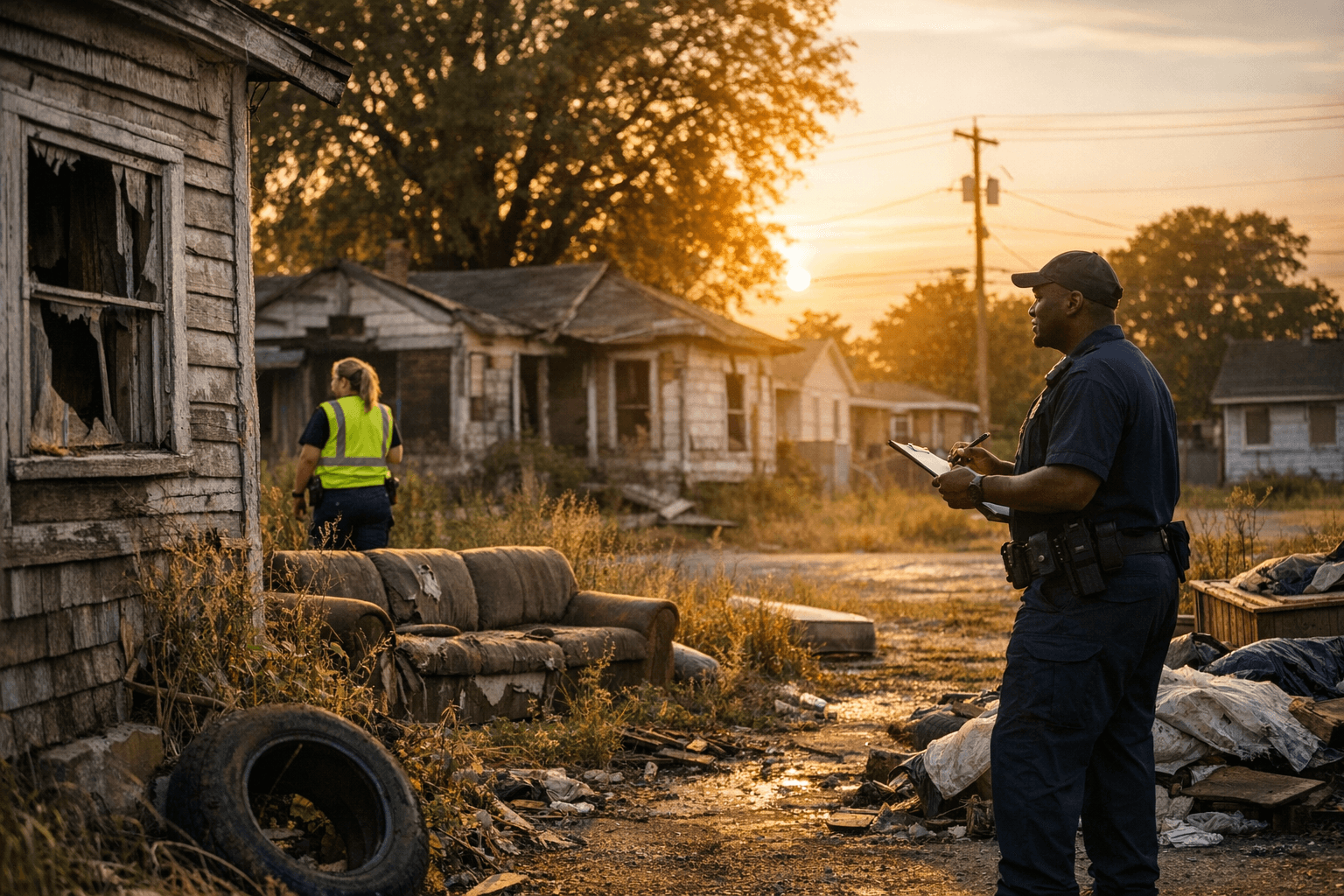
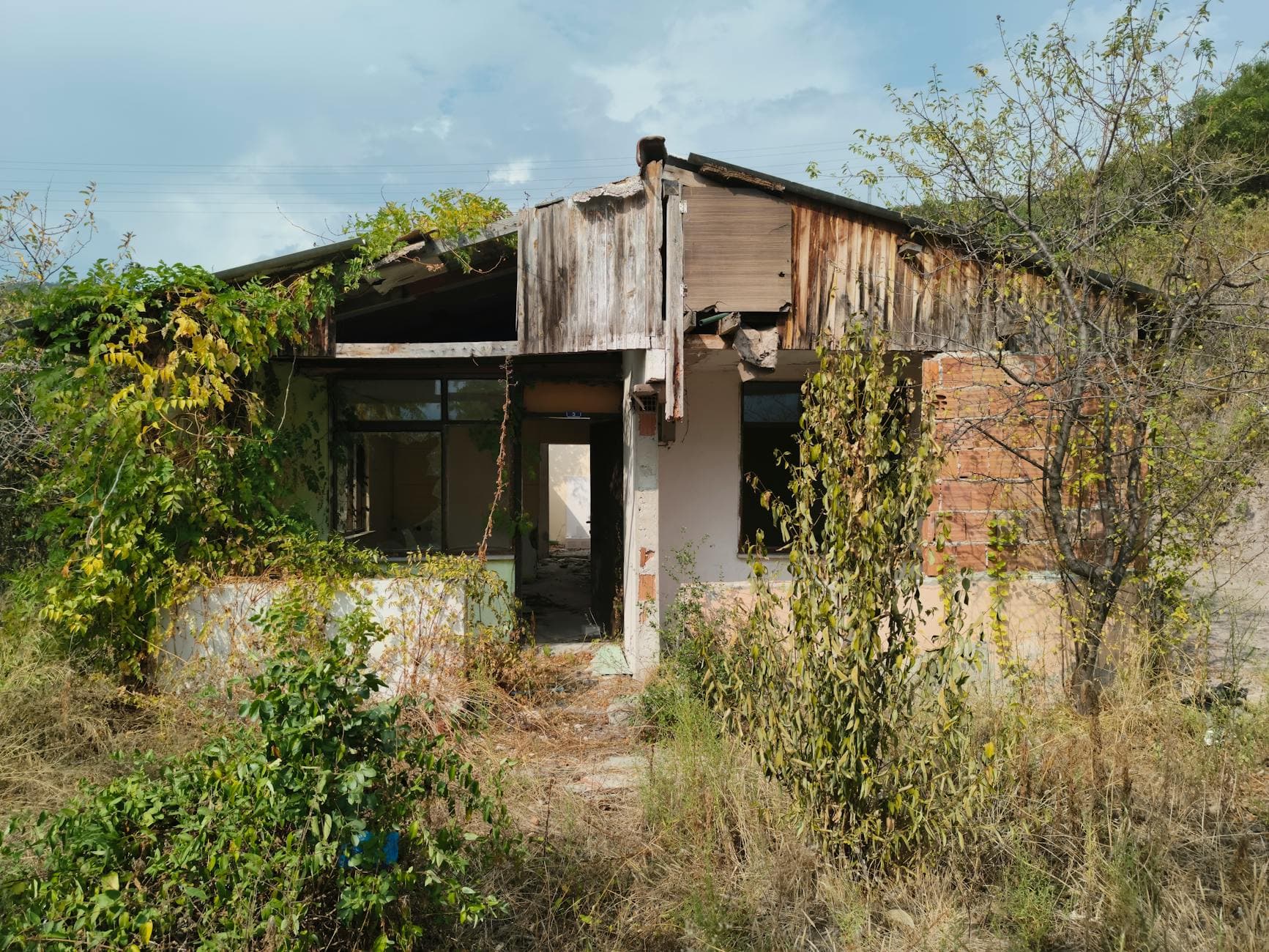
Blight complaints in Helena-West Helena have a clear place to start: the city’s code enforcement page. It says the department exists to protect public safety, preserve property values, and improve quality of life, and it names the kinds of problems residents are most likely to notice first, including overgrown lots, unsafe structures, and other property upkeep issues.
What the code office says it handles
The city’s description makes code enforcement more than a nuisance hotline. It says the department enforces ordinances and resolutions tied to businesses operating within the city and to property maintenance, and it also inspects property to make sure state codes are met for construction, plumbing, HVAC, and electrical work. That means the same office that may respond to a weed-choked vacant lot can also be part of the city’s day-to-day oversight of buildings and business activity.
For residents, that matters because the page ties together the most visible neighborhood complaints and the less visible rules behind them. An overgrown yard is not just an eyesore under the city’s framing. An unsafe structure is not just a building in bad shape. Both are presented as matters that can affect safety, neighborhood stability, and the city’s broader effort to keep properties in compliance.
How residents are expected to file complaints
The code enforcement page also points residents toward the city’s concern-submission process, which makes the department part of a formal reporting path rather than an informal call for help. The page lists Lakesha Williams as code officer and provides both her email and cell phone number, 870-995-2428. In practice, that gives residents a named contact inside city government and a direct way to flag a problem before it becomes a larger nuisance or hazard.
That structure matters because many local complaints are simple in description but slow in resolution. A resident may see a vacant lot where weeds have taken over, or a structure that looks unsafe after a long stretch of neglect, and assume nothing will happen. The city page tells a different story: report it, route it through the city process, and let the department decide whether the condition falls under property maintenance, zoning, business regulation, or a state code issue.
Where the process can stall
The most important part of any complaint system is not the form itself, but the follow-through. Residents will judge the city by what happens after the report lands: whether someone inspects the property, whether the owner is contacted, and whether the problem is corrected instead of simply acknowledged. In a city like Helena-West Helena, the gap between a complaint and a visible fix is where confidence in government rises or falls.
That is especially true when the issue is something neighbors can see every day. A mowed lot and a cleaned-up structure tell people the system works. A long-ignored overgrown property or an unsafe building tells them the complaint process exists on paper but not on the block. The city’s page is useful because it names the route into government; residents still need the city to move beyond intake and into action.
Why the page matters in Phillips County
Helena-West Helena is the county seat of Phillips County, which had 16,568 residents in the 2020 census. The city itself had 9,519 people in 2020, down from 12,282 in 2010. That decline gives extra weight to code enforcement, because smaller Delta cities often have to do more with fewer resources while still trying to keep neighborhoods stable, safe, and livable.
The city’s own ordinances page shows that code enforcement sits inside a formal legal framework, not an ad hoc complaint system. The Helena-West Helena Municipal Code lists a revision date of February 2010 and includes separate titles for building and construction, planning, zoning, and subdivision regulations. For homeowners, landlords, and business operators, that means the city’s expectations are written down, and the enforcement office is linked to rules that reach beyond a single complaint.
A city under pressure from more than blight
Code enforcement also lands in a city that has dealt with highly visible infrastructure problems. A 2023 WREG report said about 3,000 Helena-West Helena customers were without drinkable water or had low pressure during a water crisis, and it described the system as antiquated and in dire need of repair. That same report said the crisis affected businesses, schools, day cares, and restaurants, showing how quickly basic service failures spill into daily life.
A February 2024 WREG report said the city lifted a boil-water notice after an over-two-week water crisis, with at least 95% of customers back on water and decent pressure, though some were still without service because of leaks. Then, in May 2024, the Helena-West Helena City Council voted 6-0 to ask Mayor Christopher Franklin to resign, and petitions were reported to be circulating for a recall election. In that kind of political and infrastructure turbulence, even a code complaint becomes part of a larger question: can city government respond in a way residents can actually see?
The city is pushing the process online
There are signs Helena-West Helena is trying to make reporting easier. A 2025 local report said the city added new code enforcement and community safety tip forms to its website. That same report said the city proposed a city app with text, email, and push notifications for real-time city updates, which suggests officials want residents to have faster ways to flag problems and follow city action.
That digital turn matters in a place where ordinary maintenance issues can blend into bigger public frustrations. A code page that names the rules, names the officer, and links a complaint process gives residents a practical tool. It cannot fix a broken system by itself, but it does show where the city says responsibility begins, and where accountability should be measured block by block.
This article was produced by Prism’s automated news system from verified source data, official records, and press releases, then run through automated quality and moderation checks before publishing. The system is built and supervised by the people who set the standards it runs under. Read our full AI policy.
Did this article answer your question?