Helena-West Helena website links residents to city services and departments
Helena-West Helena’s website puts city contacts, council meetings and department pages in one place, so residents can reach the right office without guesswork.

A water outage, a pothole, a code complaint or a council question now starts in the same place: Helena-West Helena’s city website. For Phillips County residents, that matters because the difference between a delayed problem and a solved one is often knowing exactly which office to call.
The city site works as a front door to daily services
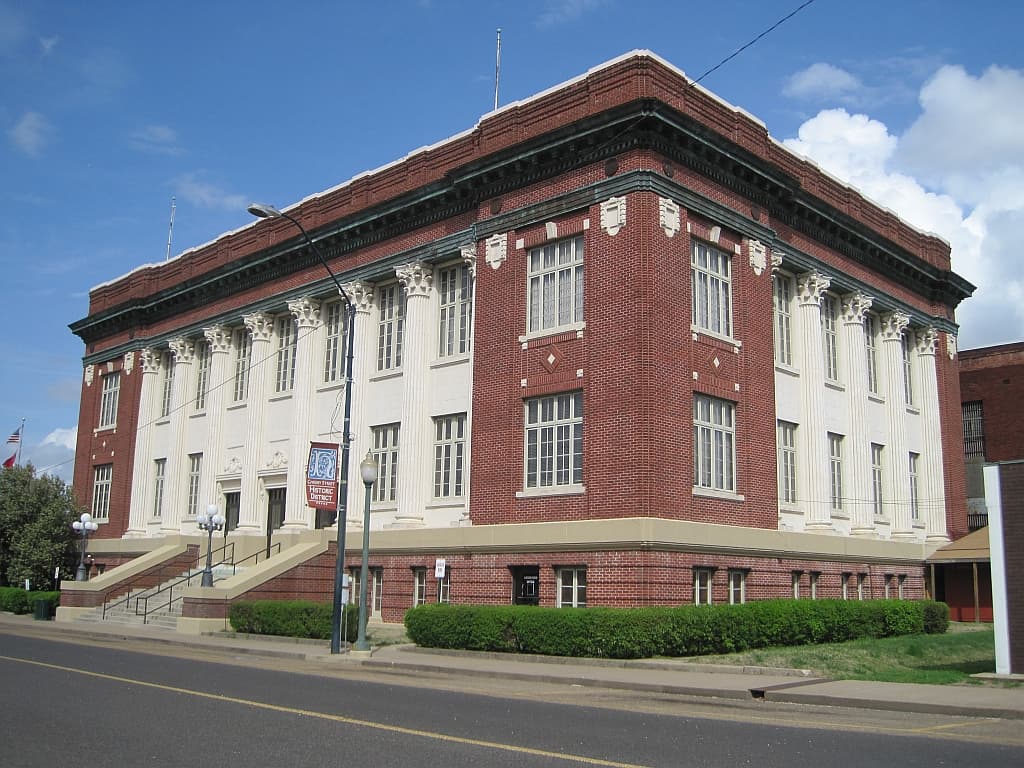
The homepage casts Helena-West Helena as a historic Mississippi River city rooted in the culture, resilience and spirit of the Arkansas Delta, but the more useful part for residents is the contact page. It gathers the city’s core numbers and offices in one place, including administration, fire, landfill, police, street and sanitation, and water. The main city number is 870-817-7400, and the administration offices are listed at 226 Perry Street in Helena, which gives residents a clear starting point before they ever have to drive across town.
That simple layout is valuable in a city where service problems can be urgent and local. If a street needs attention, water service is interrupted, or a neighborhood issue needs to be reported, the site helps point people toward the department that handles the work instead of leaving them to guess. In practice, the website functions less like a glossy brochure and more like a digital directory for the city hall system.
What residents can use it for right away
The strongest parts of the site are the pages that answer the practical question: who handles this?
- The Helena-West Helena Water Department says it handles all facets of water and sewer service in Helena, West Helena and Long Lake. That makes it the first stop for residents dealing with utility questions across those communities.
- The Helena-West Helena Street & Sanitation Department says it covers routine hard trash collection, street and pothole repairs, drainage maintenance, park upkeep and removal of roadway debris. That gives residents a direct line for the kind of visible neighborhood problems that shape daily life.
- The Helena-West Helena Police Department says its mission is to serve and protect citizens and improve neighborhood quality of life. The department page also identifies Quanderius Sanders as police chief.
- The Helena-West Helena Code Enforcement Department addresses blight, overgrown properties and unsafe structures. For residents trying to get a property brought back into compliance, that page makes the city’s enforcement role easier to understand.
- The city’s contact page also lists fire and landfill information, which matters because these are the kinds of offices people often need quickly but rarely remember from memory.
The utility of that setup is straightforward: it shortens the distance between a resident and the correct department. In a county seat like Helena-West Helena, where local government is expected to handle both routine maintenance and more serious quality-of-life issues, that kind of clarity can save time and reduce frustration.
Why the website matters in Phillips County
Helena-West Helena is the county seat of Phillips County, and the numbers show why a usable city website matters. Phillips County had 16,568 residents in the 2020 Census, while Helena-West Helena had 9,519 people in the same count. The city’s estimated population fell to 8,216 on July 1, 2025, down from 12,282 in 2010, which underscores how much local government now depends on efficient communication to stay connected with residents.
The demographic profile also helps explain the value of online access. About 18.2% of city residents are 65 or older, and 28.0% are under 18. At the same time, 79.5% of households had broadband internet subscription in the 2020 to 2024 Census period. That combination suggests a community where many people can use the website, but where the city still has to make information easy enough for older residents, families and small businesses to find fast.
A city shaped by merger, history and the Mississippi River
Helena and West Helena did not begin as one city. Helena was incorporated in 1833, and West Helena followed in 1917. The two cities united their school systems in 1946 and merged into one city on January 1, 2006, while preserving both names. That history still matters because city services now serve a place that carries two identities but operates as one government.
The broader setting adds another layer. Helena-West Helena sits on the Mississippi River in the Arkansas Delta, where local history has been shaped by river commerce, flooding, racial conflict and blues music. The city website does not erase that history; instead, it tries to translate civic identity into practical service delivery. The result is a local government presence that feels tied to place, but also built for the everyday work of maintaining it.
Meetings, officials and the structure behind the pages
The site does more than list departments. It also shows a more organized approach to civic information, including a calendar of city council, board, commission and holiday meetings, plus a live-stream notice for council meetings. Regular Helena-West Helena City Council meetings are scheduled for the 1st and 3rd Tuesday of each month at 6:00 p.m., which gives residents a predictable way to track city business and public decisions.
The council schedule matters because city service issues are not just administrative problems, they are governance questions. The ordinances page shows the municipal code was revised in February 2010, and it lists recent ordinances tied to public works, street repair, landfill repair, water repair, sanitation trucks and a 2020 to 2021 floodwall document. That record suggests the city’s online presence is connected not only to phone numbers, but to the policy framework behind how those services are delivered and funded.
What the site does well, and where it still feels limited
The website’s biggest strength is centralization. It puts the city’s contact points, department descriptions and meeting information in one place, which is especially useful for residents who need to solve a problem quickly or figure out which office owns it. The pages also make accountability more visible by naming key officials and staff, including police chief Quanderius Sanders and water department general manager Saeed Rose.
Its limits are just as revealing. The site reads primarily as a routing hub, not a full-service online portal, so residents still need to use the phone or attend meetings for many issues. Even so, that basic structure can still save real time by getting people to the right office on the first try. In a county where streets, water, code enforcement and public meetings all carry direct weight, that is not a minor convenience. It is the core of how local government becomes usable.
This article was produced by Prism’s automated news system from verified source data, official records, and press releases, then run through automated quality and moderation checks before publishing. The system is built and supervised by the people who set the standards it runs under. Read our full AI policy.
Did this article answer your question?