J.F. Wahl Elementary wins EAST grant for technology learning program
J.F. Wahl Elementary landed an EAST grant that brings project-based technology learning to West Helena as its 29,250-square-foot addition rises.
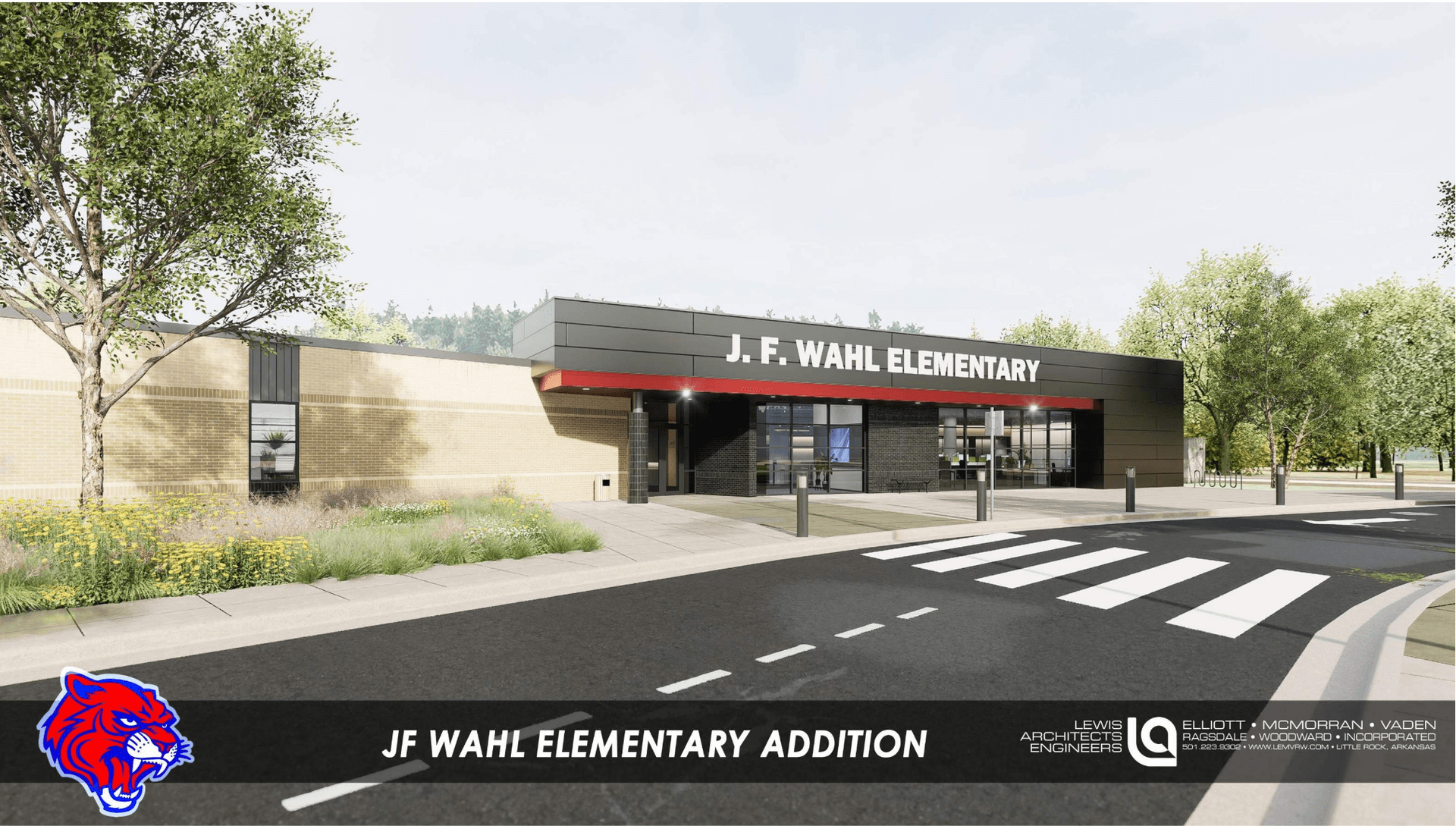
J.F. Wahl Elementary School won an EAST grant from the Arkansas Division of Elementary and Secondary Education and the EAST Initiative, giving the West Helena campus a new technology-centered learning program just as construction moves ahead on a 29,250-square-foot addition. For students, that means hands-on work in project-based learning, community service and digital problem-solving that can build skills they will carry into Central High School, PCCUA and, later, the Phillips County workforce.
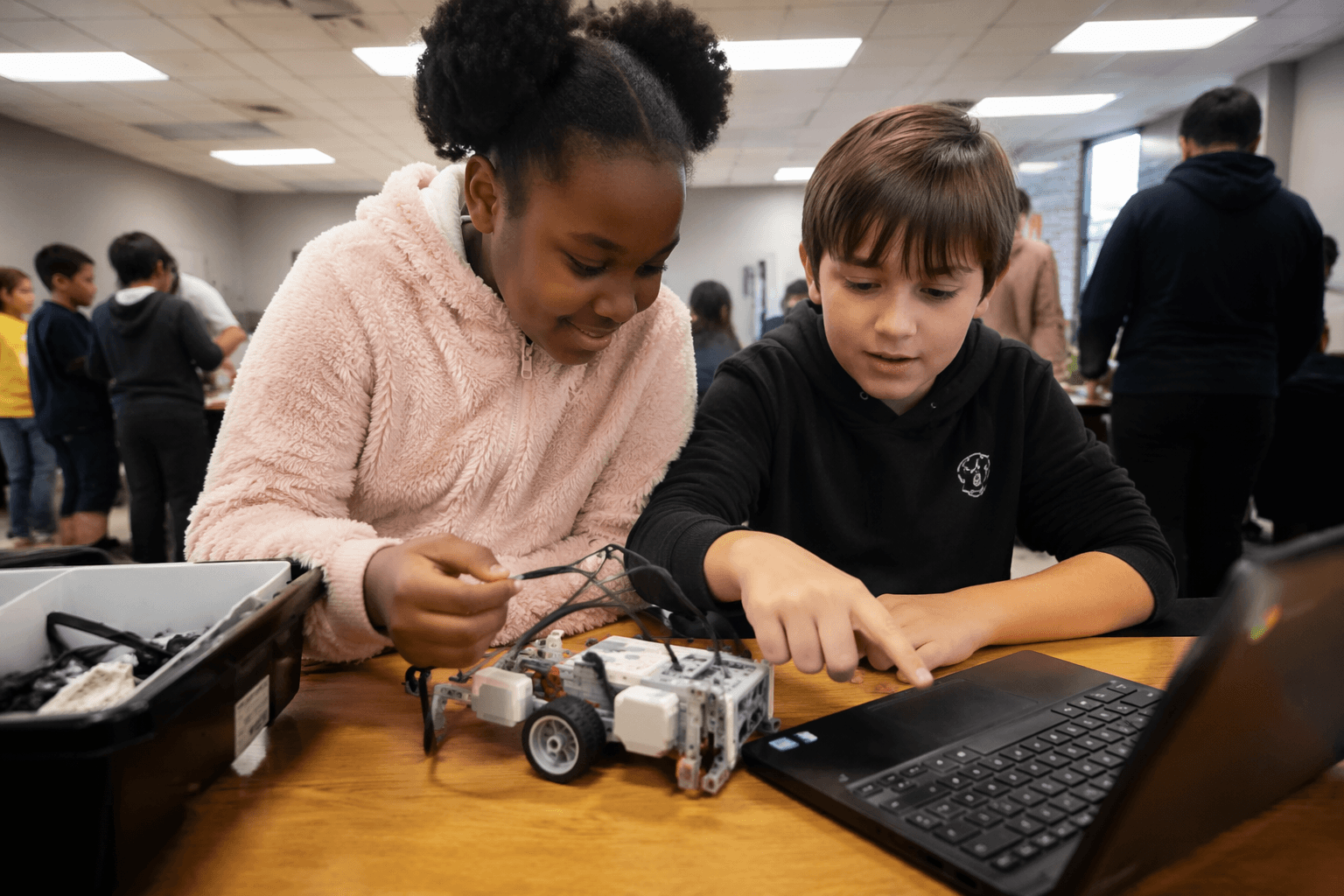
The EAST model is built around students using technology to solve problems they identify in their own communities. That fits closely with J.F. Wahl’s published vision, which says the school aims to prepare and motivate students for a rapidly changing world, while its mission says it provides each student with a diverse education in a safe, supportive environment. With the grant, the campus gains a structured way to turn that language into classroom work that goes beyond memorization and into design, collaboration and applied problem-solving.
The award also arrives during a major physical upgrade at the school. District construction updates say the addition includes a storm shelter, new classrooms, specialized therapy and fine arts spaces, and a cafeteria expansion. Ground broke on the project with a ceremony on September 30, 2025. Taken together, the building expansion and the EAST program give J.F. Wahl two parallel investments: one in the school’s footprint and one in the academic tools students will use inside it.
J.F. Wahl’s publicly listed principal is Hiram D. Sumlin, and Helena-West Helena School District superintendent Xavier M. Hodo oversees the system as it pushes modernization across the campus. Public school profiles list the school at roughly 539 students in grades PK-6 with about a 15:1 student-teacher ratio, and outside school profiles show math proficiency at 16% and reading proficiency at 20%. Those figures make the technology program especially important for families looking for early evidence of stronger student engagement, more confidence with digital tools and better preparation before children move on to higher grades.
This article was produced by Prism’s automated news system from verified source data, official records, and press releases, then run through automated quality and moderation checks before publishing. The system is built and supervised by the people who set the standards it runs under. Read our full AI policy.
Did this article answer your question?