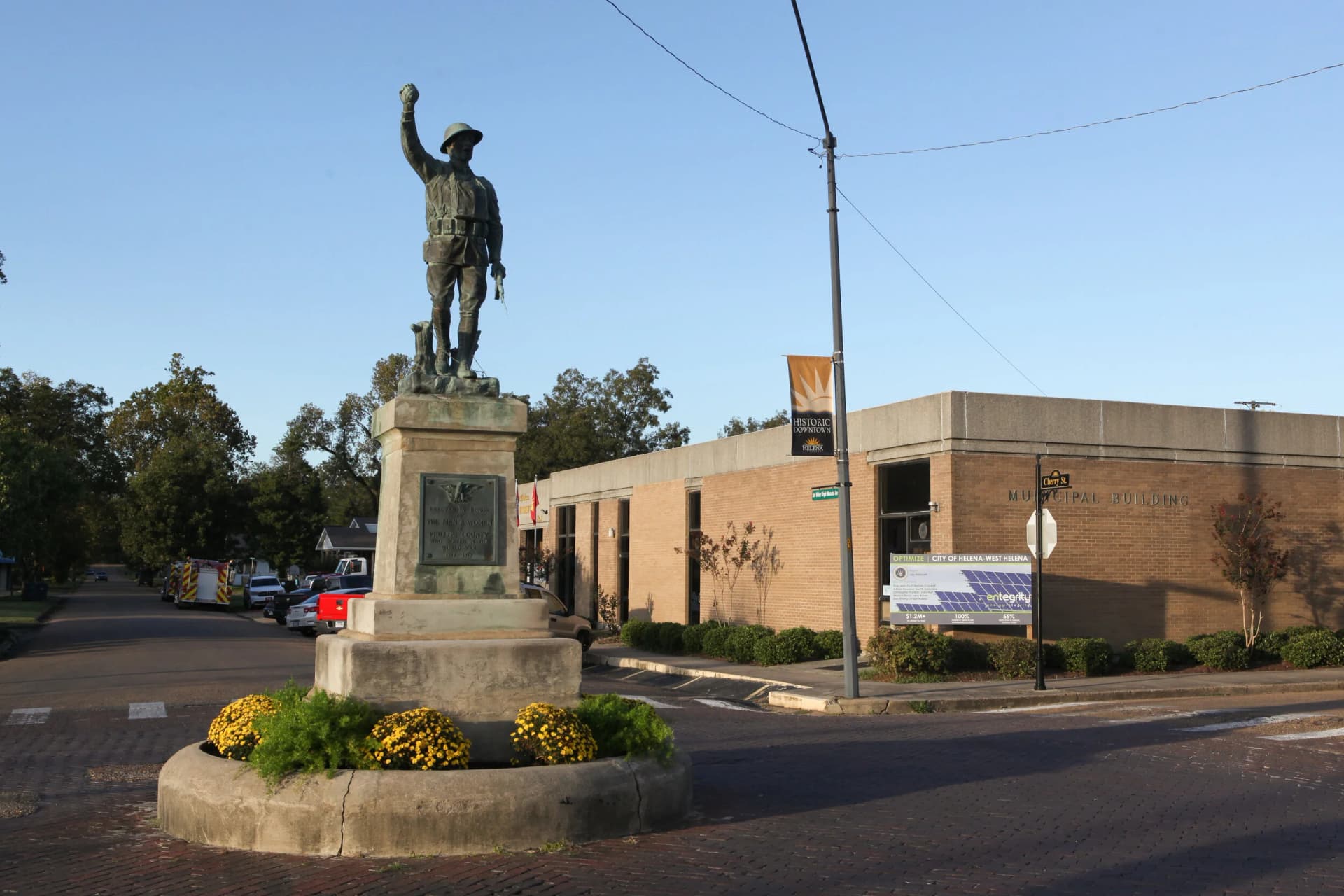
Phillips County 2026 elections page tracks filing dates and local races
Phillips County’s elections page is a practical map of who shapes taxes, schools, policing and county services, with filing windows opening before the March 3 ballot.
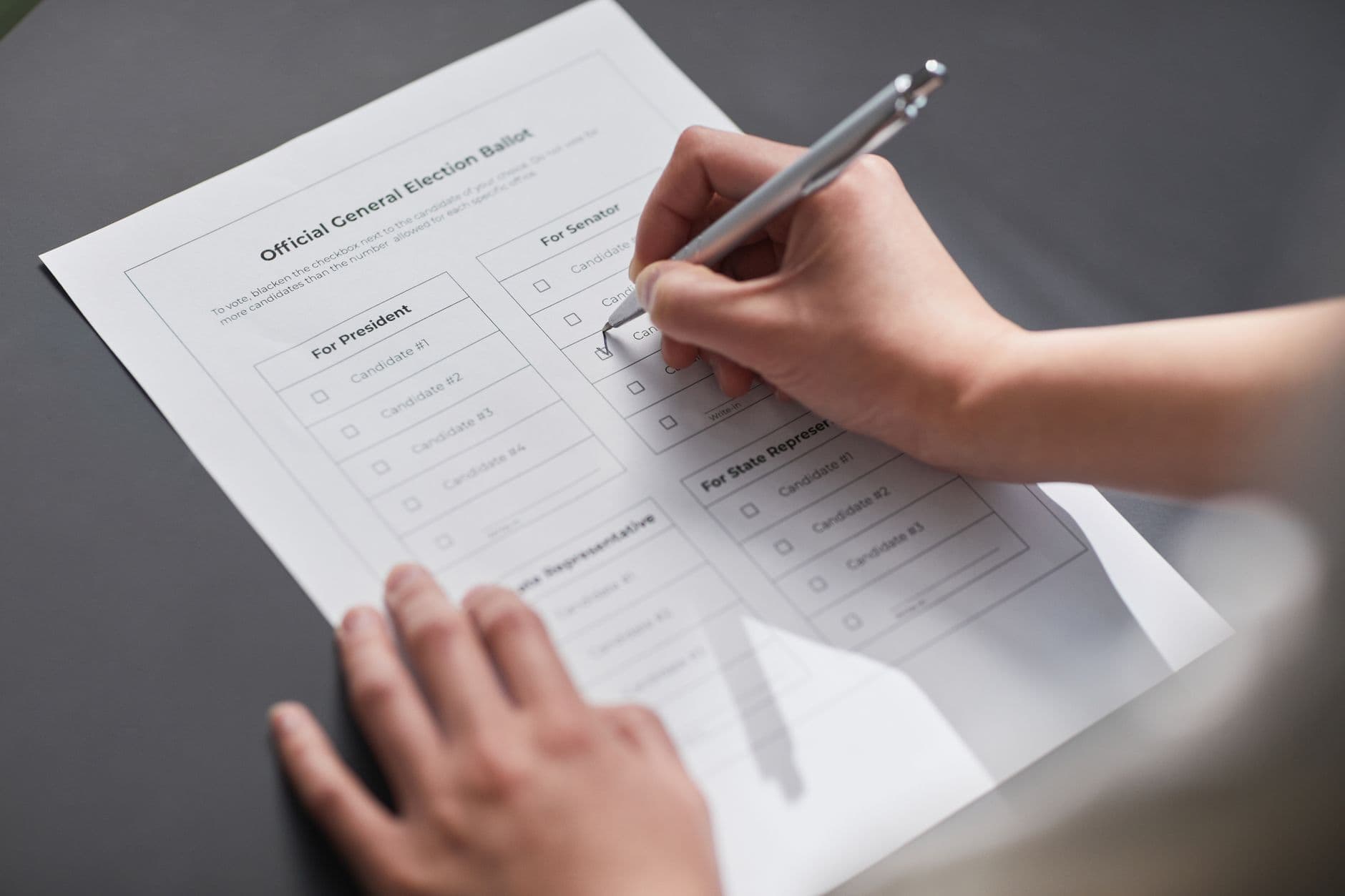
Phillips County voters need two filing windows and a March 3 ballot date on the same calendar, because the offices already listed for the county will shape school boards, county spending, law enforcement and the pace of local services. Ballotpedia’s Phillips County, Arkansas, elections 2026 page gives residents a single place to track those contests as the season builds from candidate filing into a full local ballot.
Why the county page matters
A county elections page is not just a reference list. In Phillips County, it becomes a practical map of public power, showing which offices are in play and where voters can watch the ballot take shape. That matters in a county where local government decisions affect road work, public safety, school governance and how public money gets allocated across Helena-West Helena, Marvell, Elaine and Lake View.
The value of the page is that it brings the county’s race structure into one place instead of forcing voters to chase scattered notices. It also helps candidates, journalists and civic groups follow the same baseline information as the filing season opens and names begin appearing on the ballot.
The filing dates that set the race
Arkansas’s 2026 party filing period begins at 12:00 noon on November 3, 2025, according to the Arkansas Secretary of State’s election calendar. The Arkansas Advocate also noted that candidates begin filing for Arkansas’ 2026 elections on Nov. 3, 2025, which makes that date a central marker for anyone watching local races in Phillips County.
The calendar also gives nonpartisan prosecutor and judicial candidates a separate filing window: September 11 through September 18, 2025, with 12:00 noon deadlines, for petitions filed without paying a filing fee. That early window matters because judicial and prosecutorial contests often move on a different timetable than party races, and those names can shape the ballot before the broader filing season opens.
For Phillips County readers, those dates are the first real trigger points of the election cycle. They are when officeholders decide whether to seek another term, new contenders step forward and voters get a clearer picture of which races will be contested.
Local races already appearing on the county page
Ballotpedia’s Phillips County page already points to several 2026 candidate pages, which shows that the county is not facing a blank calendar. The names currently listed include Isaac Tribune for Phillips County Justice of the Peace District 4, Lita Moore-Johnson for Phillips County Clerk, Neal Byrd for Phillips County Sheriff and Collector, and both Anthony T. Slayton and Brian Stoner for Phillips County County Judge.
Those offices matter because they sit close to the daily machinery of county government. The Justice of the Peace seat links to quorum court decisions and county budgeting. The clerk role affects records, filings and the paperwork that makes local government function. Sheriff and collector combines public safety with revenue collection. County judge is one of the most consequential countywide offices because it sits near the center of county administration and infrastructure decisions.
The fact that multiple names already appear on the county page suggests an active field, not a placeholder calendar. For voters, that means the race map is starting to form early enough to track who is running, where they fit in the county structure and which offices will carry the most direct consequences.
What the March 3 ballot covers
The broader Arkansas election calendar shows why a county page matters. The Association of Arkansas Counties says Arkansans have school, county, judicial, state and federal elections to decide on March 3, and some voters may also see local ballot issues. The Arkansas School Boards Association also places the state’s spring 2026 school board election on March 3, 2026.
That single date brings together several layers of decision-making. School board races affect classroom direction, district leadership and the public money that flows into education. County races influence roads, offices, public records and budget choices. Judicial and prosecutor contests shape how justice is administered. Local ballot issues, when they appear, can add another layer of direct voter power.
For Phillips County, that mix makes the county page more than a convenience. It helps voters see how a local contest fits into the larger March 3 ballot and where a school, county or judicial race may have the most direct effect on everyday life.
The local power map behind the ballot
Phillips County’s 2020 Census population was 16,568, and later estimates put the county at about 14,300 in 2025. One demographic source lists the county as 62.2% Black and 33.4% White in 2020. Helena-West Helena had a 2020 Census population of 9,519, making it the largest city and a major center of county life.
Those numbers help explain why county elections matter so much here. In a county with a smaller and changing population, local government choices reach residents quickly, whether the issue is school governance, policing, infrastructure or the public services that keep Helena-West Helena and the smaller communities around it functioning.
That is why a county elections page has real utility. It gives voters a place to monitor filings, compare offices and follow the people seeking control over day-to-day government. In Phillips County, the 2026 election cycle is already taking shape through those named races and filing dates, and the next decisive step is the shift from candidate announcements to the March 3 ballot.
This article was produced by Prism’s automated news system from verified source data, official records, and press releases, then run through automated quality and moderation checks before publishing. The system is built and supervised by the people who set the standards it runs under. Read our full AI policy.
Did this article answer your question?