Walton Family Foundation backs early literacy push in Phillips County
A two-year literacy push could reach 80% of eligible children ages 0 to 5 in Phillips and Jefferson counties by May 2028.
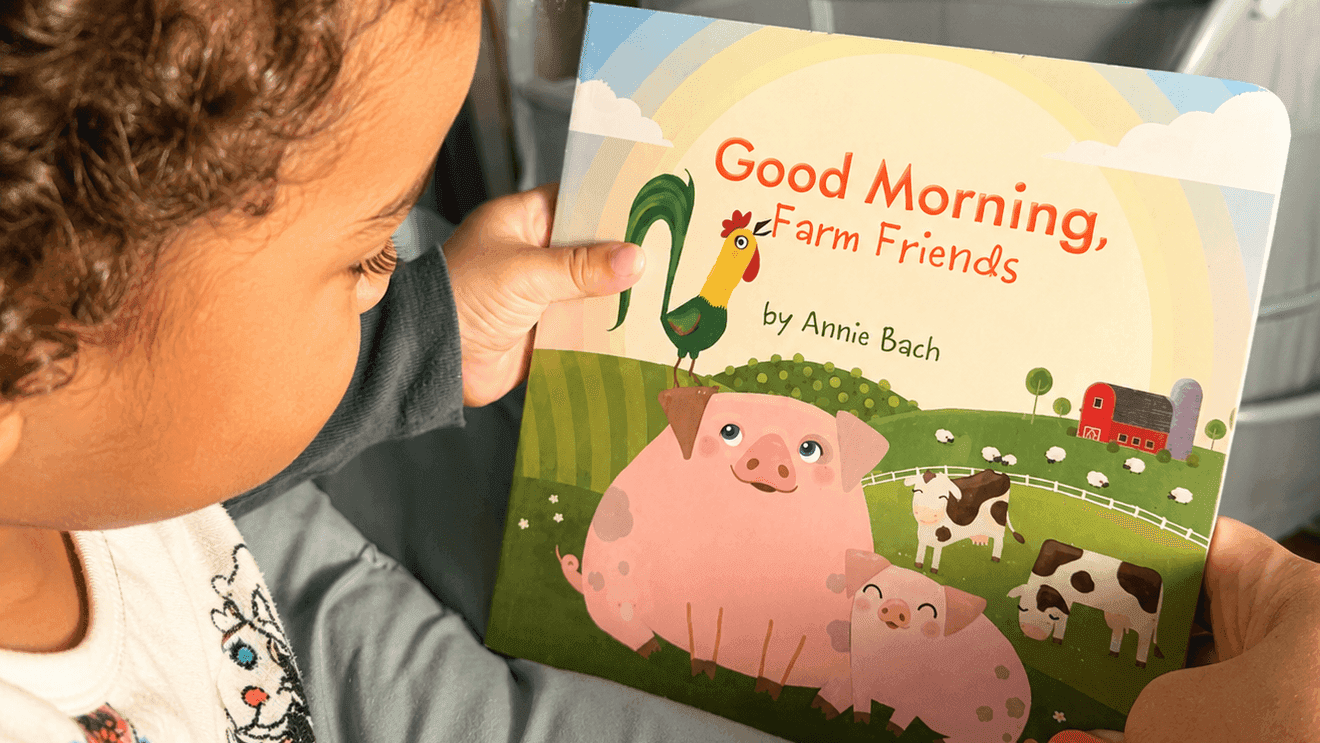
A two-year literacy push backed by the Walton Family Foundation could put books into the homes of as many as 80% of eligible children ages 0 to 5 in Phillips and Jefferson counties by May 2028, setting a clear test for whether early-childhood help is reaching Delta families that need it most.
The effort, tied to Arkansas Imagination Library, is built around a simple but demanding idea: make books easier to get into the home and make reading with young children part of the daily routine. For Phillips County families, that matters because the years before kindergarten are often the hardest time to buy books, travel for services, or find extra hours for structured learning. When reading materials arrive at home, parents do not have to depend on transportation or extra cost to start building language skills.
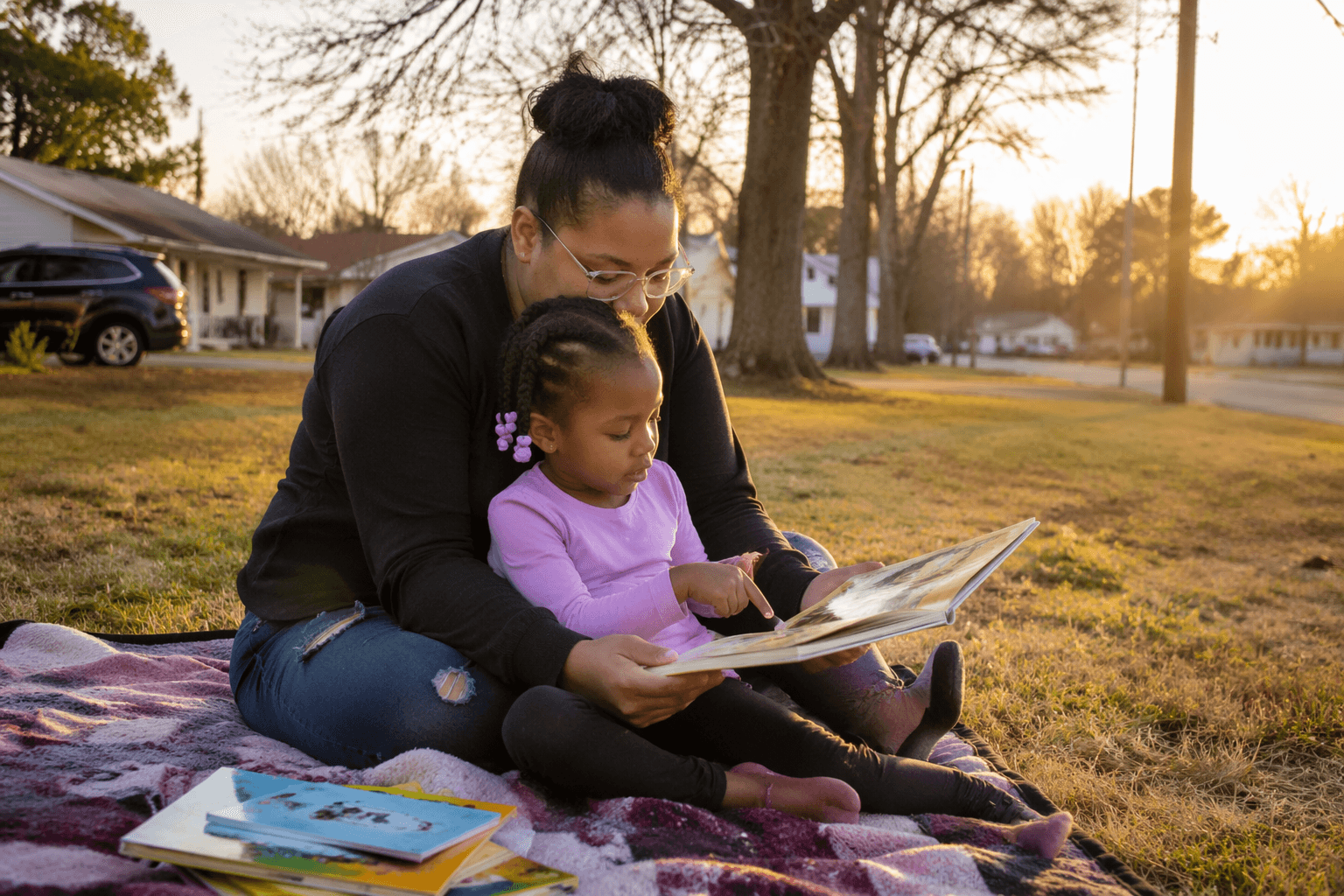
The initiative was announced May 19 as part of a regional effort that treats Phillips County and Jefferson County as linked parts of the same early-childhood challenge. Rather than framing the county as a passive recipient of outside money, the program puts local households at the center. Its aim is not only to expand book access, but also to strengthen parent engagement, the kind of repeated interaction that can help children hear more words, build vocabulary and become familiar with books before they ever walk into a kindergarten classroom.
That is where the accountability will be. The most visible benchmark is whether the program can reach up to 80% of eligible children in the two counties by May 2028. Just as important is whether families actually keep using the books, turning a delivery program into a reading habit that lasts long enough to matter. In a county that has heard plenty of education promises over the years, the question is not whether the effort sounds good. It is whether more Phillips County children enter school already comfortable with stories, letters and the rhythm of being read to.

If the two-year push works, its effects could show up well beyond early childhood. Stronger school readiness can shape how children perform in the first grades, how teachers spend classroom time and, eventually, how the county prepares young people for graduation and work. If it falls short, the gap will be just as plain.
This article was produced by Prism’s automated news system from verified source data, official records, and press releases, then run through automated quality and moderation checks before publishing. The system is built and supervised by the people who set the standards it runs under. Read our full AI policy.
Know something we missed? Have a correction or additional information?
Submit a Tip