What to see in Helena-West Helena's downtown and riverfront
Helena-West Helena's downtown and riverfront concentrate Delta history, music heritage, and historic architecture, shaping tourism, local identity, and community health equity.
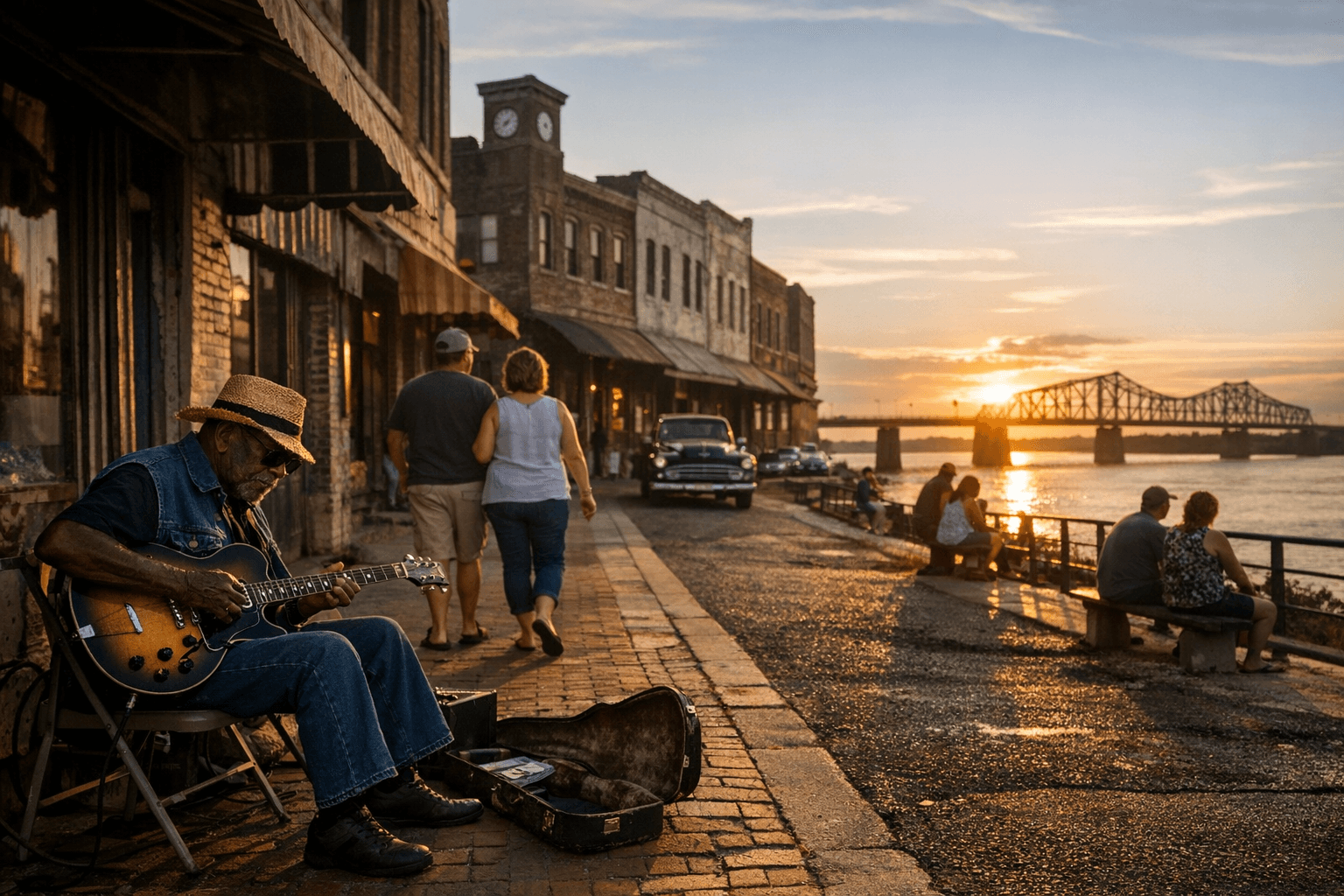
Helena-West Helena's compact downtown and riverfront sit at the heart of Phillips County along the Mississippi River, concentrating Delta history, music heritage, and notable historic architecture within a short walk. That concentration matters because it fuels local tourism, anchors community identity, and shapes public spaces where residents gather, recreate, and access services.
Visitors and residents find a walkable core where cultural landmarks and period buildings sit close to the riverfront. The clustering of history and music heritage means the area draws people for festivals, performances, and heritage tourism that support small businesses and local jobs. At the same time, those same assets raise policy questions about investment, accessibility, and who benefits from economic activity centered downtown.
Public health and social equity are woven into the downtown-riverfront experience. Public spaces along the river can promote physical activity and social connection, which improve mental and physical wellbeing, especially in rural communities like Phillips County. Preserving and programming those spaces so they remain safe and accessible for older residents, families, and people with disabilities will determine whether health benefits are shared broadly. Tourism-driven growth without attention to housing affordability and local hiring could exacerbate inequities, shifting economic gains away from long-term residents.
Historic architecture is an asset and a policy lever. Preservation can attract grant funding and private investment that restore storefronts and civic buildings, boosting property values and commercial opportunity. Local leaders and advocates must balance preservation incentives with protections for renters and small business owners to prevent displacement. Investments in streetscape improvements, lighting, and public restrooms support both public safety and health, and make downtown more usable for people who rely on walking or public transit.
Environmental and infrastructure planning also intersects with health. The riverfront’s proximity to the Mississippi underscores the importance of resilient infrastructure and emergency planning that prioritize vulnerable residents. Ensuring safe access routes, clear signage, and inclusive programming helps older adults and families participate in cultural life without added risk.
For Phillips County the downtown and riverfront are not just tourist stops; they are community assets that shape everyday life. Local officials, preservationists, public health leaders, and business owners each play a role in directing investments so that heritage tourism strengthens the local economy while expanding equitable access to health-promoting public space. Thoughtful planning now will determine whether downtown remains a shared resource that preserves the Delta’s stories while improving quality of life for all residents.
Know something we missed? Have a correction or additional information?
Submit a Tip