Blegay proposes partnerships to boost agritourism in Prince George's County
Blegay's agritourism push targets a niche already on the map: Prince George's farms, wineries and vineyards, plus 19,137 acres still in farms.
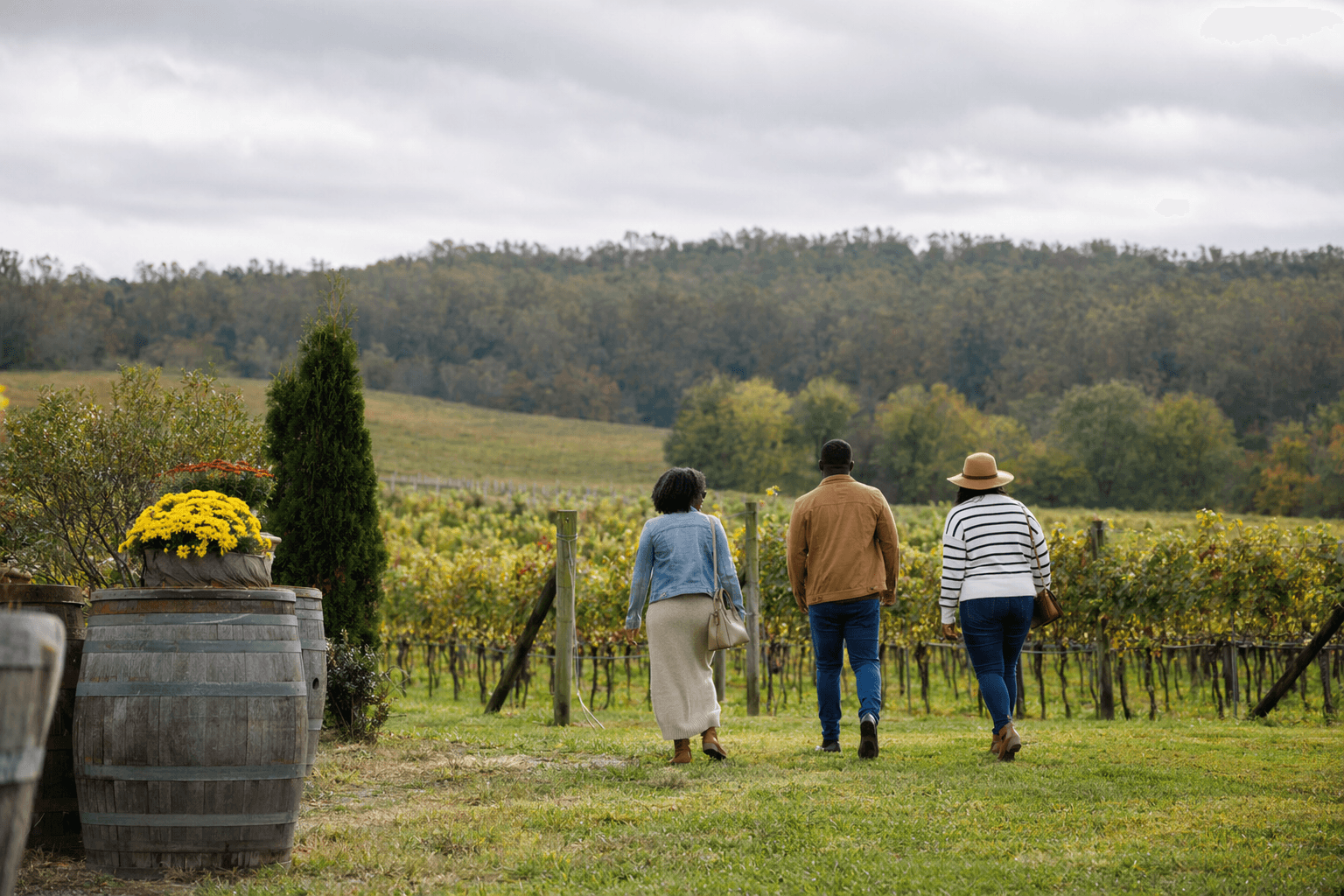
Prince George’s County’s farms and wineries could get a bigger slice of visitor spending if a new council resolution turns scattered agritourism sites into a more coordinated local brand. Council Member Wala Blegay introduced CR-39-2026 on Tuesday, May 12, to push farms, wineries and economic-development groups into closer partnership around tourism.
The proposal asks the Southern Maryland Agricultural Development Commission, the University of Maryland Cooperative Extension Program, the Soil Conservation District and the Prince George’s County Economic Development Corporation to work together on projects that promote agritourism. Blegay’s pitch is straightforward: the county has plenty of farm-based businesses, but too few people in Prince George’s County and the wider DMV region know they are there.
The economic case is stronger than the niche may suggest. The University of Maryland Eastern Shore Extension describes agritourism as a consumer-focused agricultural operation that can add income to a farm through experiences such as wineries, creameries, craft breweries, petting zoos, U-pick operations and horseback riding. USDA data show U.S. farms and ranches generated $1.26 billion in agritourism income in 2022, up 12.4% from 2017 after inflation adjustment, and about 57% of counties reported agritourism income. Prince George’s County itself has 19,137 acres in farms, according to USDA county-profile data.
The county is not starting from zero. Experience Prince George’s already markets wineries and vineyards in southern Prince George’s County and ties them to the Legacy Wine Trail, while the trail’s own branding links wineries in Prince George’s County and Charles County to Southern Maryland agricultural heritage. The county news release said CR-39-2026 is meant to build on Prince George’s more than century-long agricultural heritage, turning that history into a more visible economic asset.
County planners have also signaled that agriculture still has a place in future development. Planning staff have said there is growing interest in protecting farms and gardens within the growth boundary while supporting University of Maryland Extension educational initiatives, and the Prince George’s County Food Equity Council has pressed for stronger economic viability in local food production, processing and distribution. Whether CR-39-2026 becomes a real business engine or mostly a symbolic nod will depend on how much coordination it produces for the farms and wineries already operating in the county.
This article was produced by Prism’s automated news system from verified source data, official records, and press releases, then run through automated quality and moderation checks before publishing. The system is built and supervised by the people who set the standards it runs under. Read our full AI policy.
Did this article answer your question?