Cheltenham marker reveals hidden graves of Black boys, state history
A Cheltenham highway marker now names the burial ground of more than 230 Black boys, forcing Prince George’s County to confront a hidden chapter of state custody.
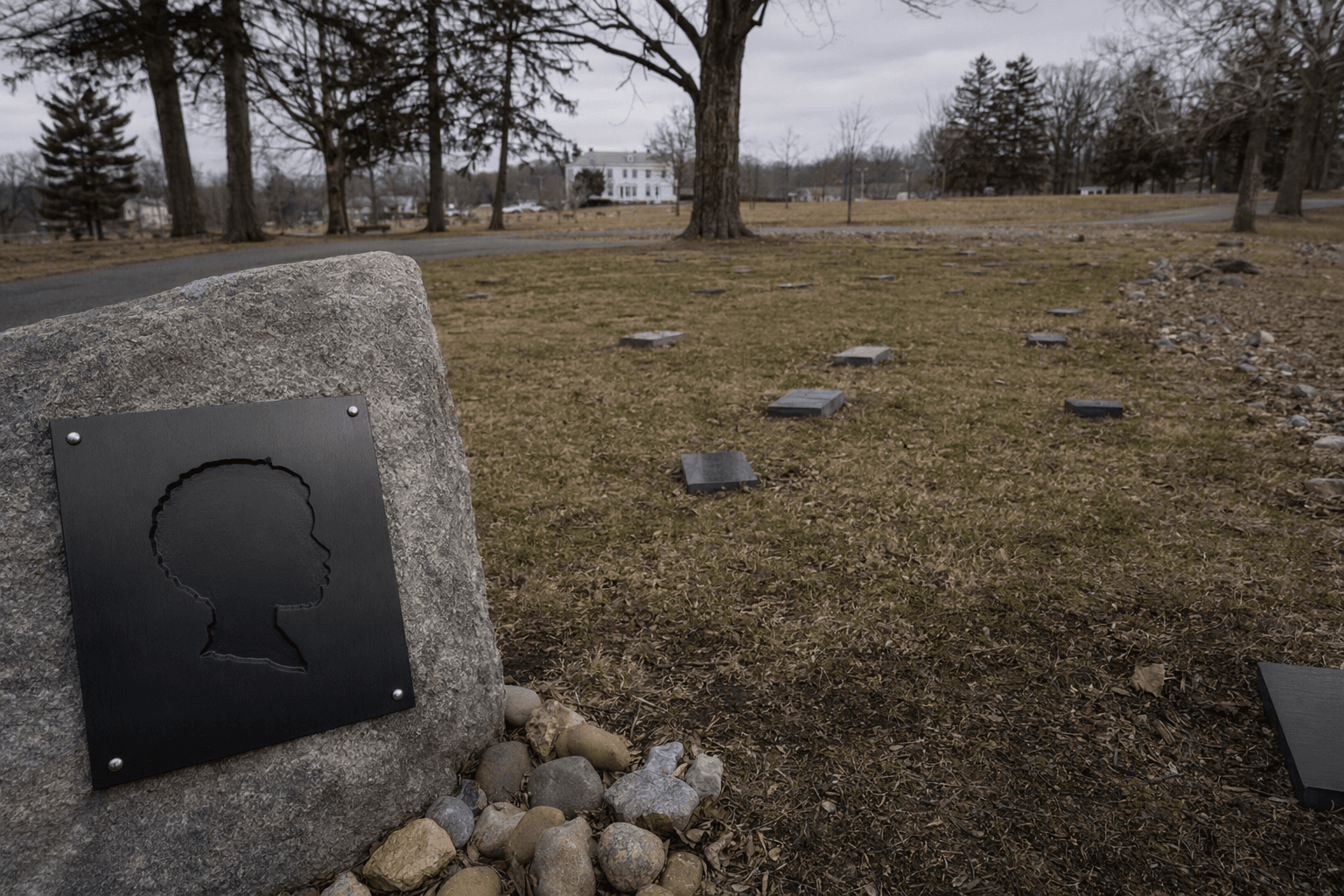
A new roadside marker at Frank Tippett Road and Route 301 is changing what many drivers in Cheltenham see, and what Prince George’s County can no longer ignore. The sign marks the House of Reformation and Instruction for Colored Children, later Boys Village and now the Cheltenham Youth Detention Facility, where Maryland says Black boys were sent beginning in 1870 and where many never left alive.
State records describe the House of Reformation as the South’s first juvenile reformatory for Black boys. The institution was built on segregation and control, with children forced into unpaid labor and subjected to severe neglect and physical abuse. Some were as young as 5. Over time, its name changed, but the history did not disappear.
That hidden past is now tied to a burial ground in dense woods near the current facility. State research found a cemetery within a mile of the detention center, believed to hold the remains of more than 230 children who died while in state custody. Georgetown University’s Center for Youth Justice says nearly 250 incarcerated Black children were buried nearby between 1877 and 1939, most in unmarked graves. The earliest known acknowledgment appears in an 1885 obituary for Samuel Folks, which said he was buried at the institution.
On Sept. 23, 2025, lawmakers toured the site and saw about 100 cinder blocks marking graves in one section. The burial ground sits next to the Cheltenham State Veterans Cemetery, which was established in 1976, and Maryland’s cemetery inventory says the smaller section dates to the mid- to late nineteenth century and was likely used for boys from the House of Reformation.
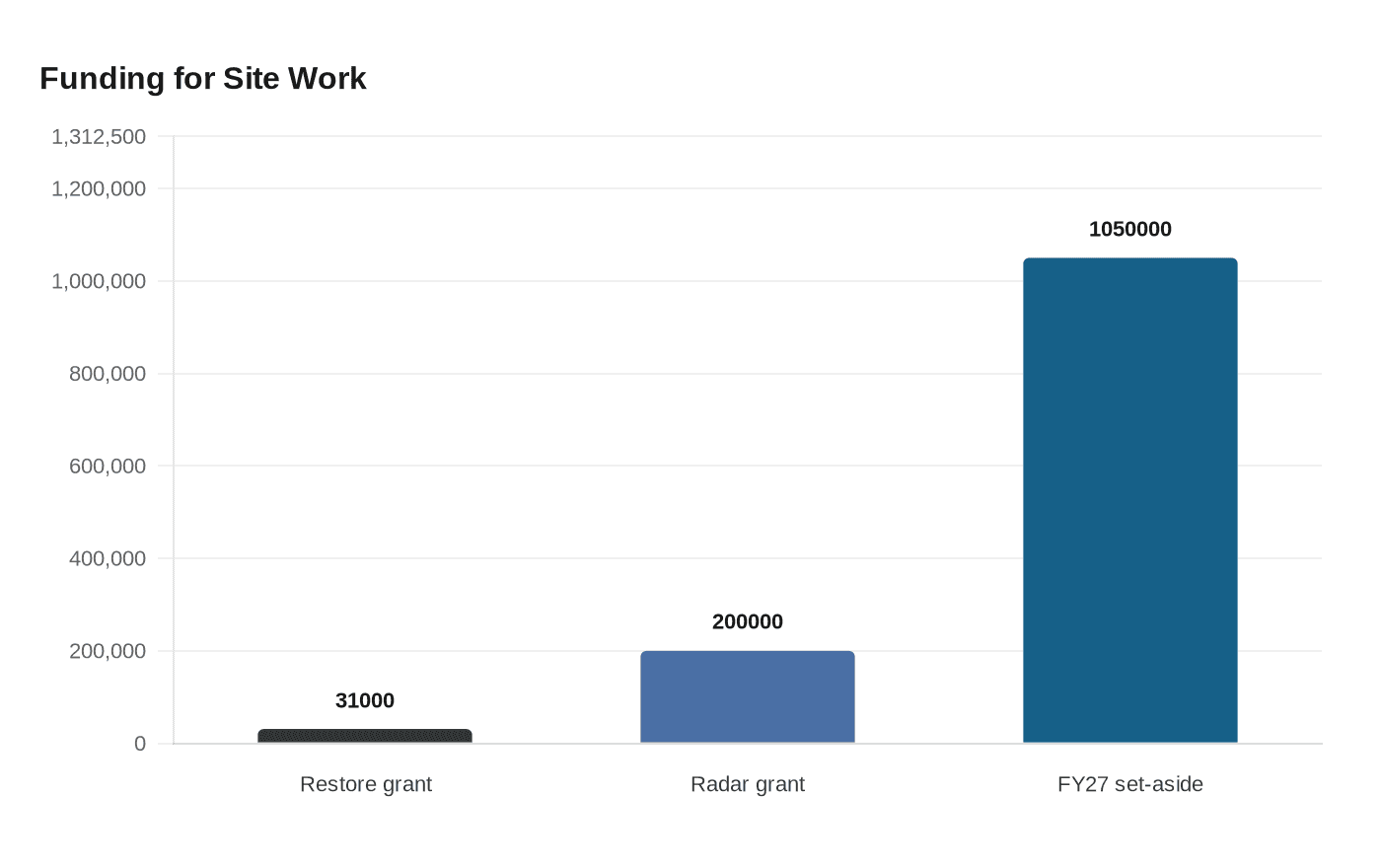
The state has since moved money and personnel toward the work of identification and restoration. Maryland applied for a $31,000 grant to restore the wooded area, the Department of Juvenile Services later received a $200,000 grant for a ground-penetrating radar survey and cemetery work, and the Moore administration said it set aside $1.05 million in the FY 2027 budget for identifying and honoring the youth buried there. Senate Bill 776 and House Bill 552 created a commission to research the facility’s history, document resident deaths, and recommend responses to racial disparities in the juvenile justice system.
At the May 6 unveiling, Gov. Wes Moore joined Prince George’s County Executive Aisha N. Braveboy and Sen. William C. Smith Jr. in framing the marker as an act of truth-telling. Moore said the ledger showed “entry points and no exit points” and described the site as where the boys came to die. For a county that has driven past this place for generations, the marker makes the buried history public at last.
This article was produced by Prism’s automated news system from verified source data, official records, and press releases, then run through automated quality and moderation checks before publishing. The system is built and supervised by the people who set the standards it runs under. Read our full AI policy.
Did this article answer your question?