Council Member Fisher Introduces DaCara Rose’s Law Targeting Missing Black Women
A Prince George’s County Council committee advanced CB-2-2026, “DaCara Rose’s Law,” to codify no wait time for missing-person reports and launch outreach after 19-year-old DaCara Thompson’s death.
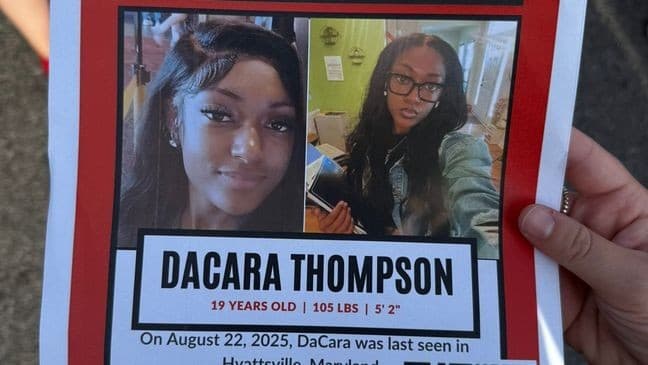
A Prince George’s County Council committee advanced DaCara Rose’s Law, CB-2-2026, on Thursday, Feb. 19, 2026, moving the measure closer to a full council vote after Council Member Wanika Fisher introduced the bill to codify the county’s no-wait policy for missing-person reports. Fisher, who represents Hyattsville, framed the legislation around the August 2025 disappearance and death of 19-year-old DaCara Thompson, who was reported missing from Hyattsville and found dead about a week later in Anne Arundel County.
Thompson’s family reported her missing within one day of her last known sighting in August 2025 and held vigils in the community while search efforts were underway. Carmen Thompson, DaCara’s mother, addressed the policy focus directly, saying, “As we all know, when someone goes missing, every moment is critical,” and urging public education to speed reporting and case activation in the system.
Investigators identified 35-year-old Hugo Hernandez-Mendez as a suspect in early September 2025, alleging he killed Thompson in his bedroom before moving her body. The bill’s sponsors cite Thompson’s case as the impetus for local action; Council materials name the legislation “DaCara Rose’s Law” in her honor and describe the goal of preventing similar outcomes in Prince George’s County.
CB-2-2026 would place the Prince George’s County Police Department’s existing no-mandatory-waiting-period practice into county code. “It puts in our county code that there is no wait time to file a missing person’s report here in Prince George's County,” Council Member Wanika Fisher said at a press conference announcing the measure. The bill also requires the Prince George’s County Department of Health to begin a public campaign focused specifically on missing Black women and girls, a provision Fisher summarized as a county-code requirement.
Local coverage and sponsors describe additional operational expectations in the bill, including directing county law enforcement agencies to devote extra resources to locating missing Black women and girls and ensuring Prince George’s County remains in line with state law and Maryland State Police policy. Carmen Thompson framed the operational aim in procedural terms: “If we can educate the public about how promptly missing reports are filed, uploaded, and immediately go active in the system, we can potentially increase the success rate of finding adults over the age of 18.”
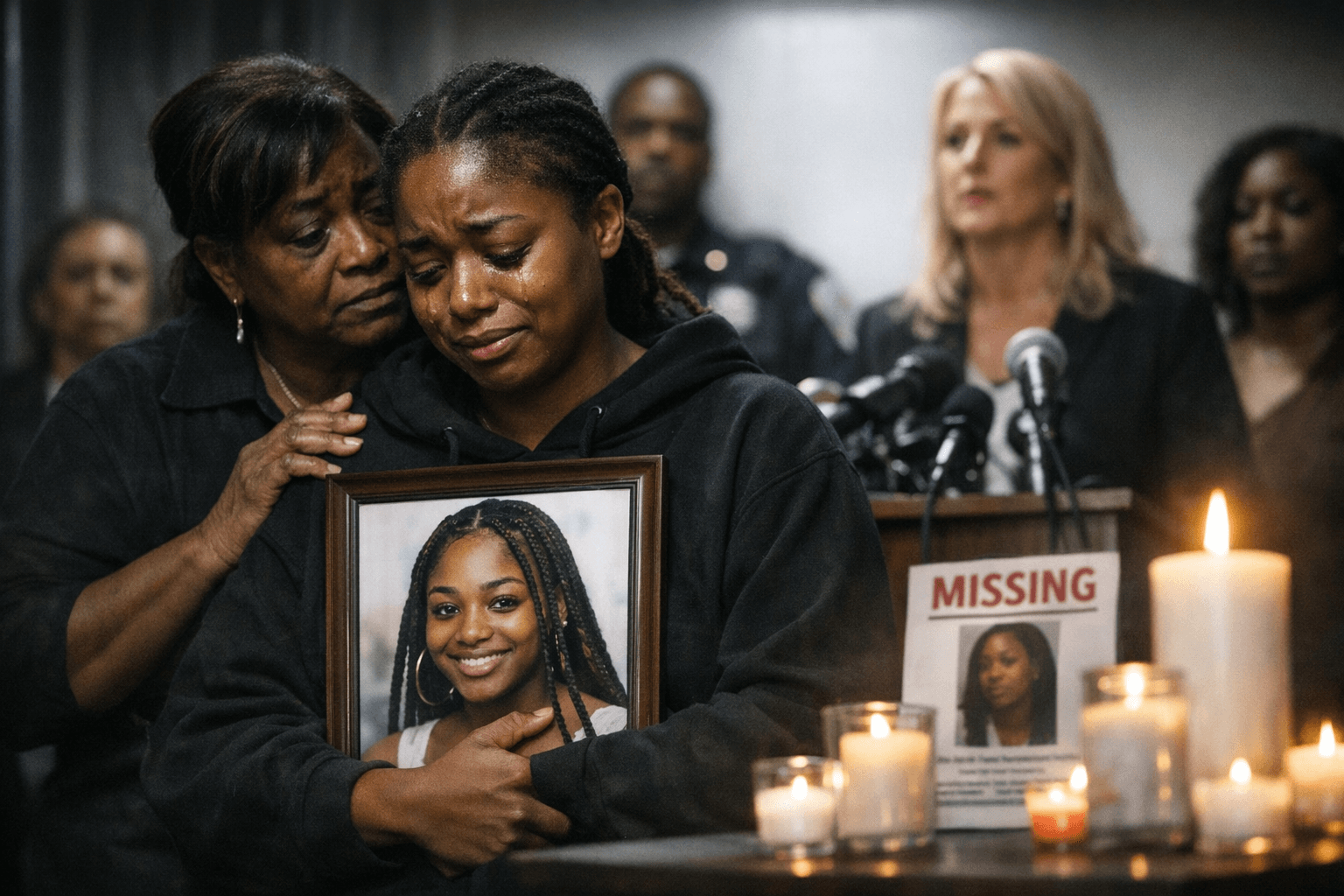
Council documents show Fisher held a press conference with Thompson’s family at 10:00 AM on Tuesday, Feb. 10, in the Council Press Room at the Wayne K. Curry Administration Building, 1301 McCormick Drive, Largo, MD 20774, and introduced the bill at the council meeting scheduled to begin at 11:00 AM that day. After the Feb. 19 committee action, local reports described CB-2-2026 as being on a “fast track” to enactment, with lawmakers hoping to bring the measure to a final vote the following month.
Prince George’s County Sheriff John Carr supported the bill’s operational emphasis on immediate reporting, saying, “I think this bill, when it comes to law enforcement and having an understanding that there is no wait time, that you’re able to actually call in a missing person report, you’re able to actually hit the ground running. This is something that we do together.” National data cited by supporters underscores the focus: NCIC figures show that in 2022 more than 270,000 women and girls were reported missing and that over 36 percent of those reports involved Black females while Black women and girls comprised roughly 14 percent of the U.S. female population.
If the council follows the timetable reported by sponsors, CB-2-2026 would move from committee to a final council vote next month and, if approved, send the county legislation to the County Executive for signature. Sponsors and family members say the law is intended to enshrine immediate-reporting practice, fund targeted public education, and direct additional law enforcement attention to missing Black women and girls in Prince George’s County.
This article was produced by Prism’s automated news system from verified source data, official records, and press releases, then run through automated quality and moderation checks before publishing. The system is built and supervised by the people who set the standards it runs under. Read our full AI policy.
Did this article answer your question?