Councilmember Blegay, Nigerian Tax Clinic Offer Free Filing Help Saturday
Councilmember Wala Blegay and the Nigerian Tax Preparation Clinic hosted a free filing event Saturday aimed at PG County's immigrant and low-income households.
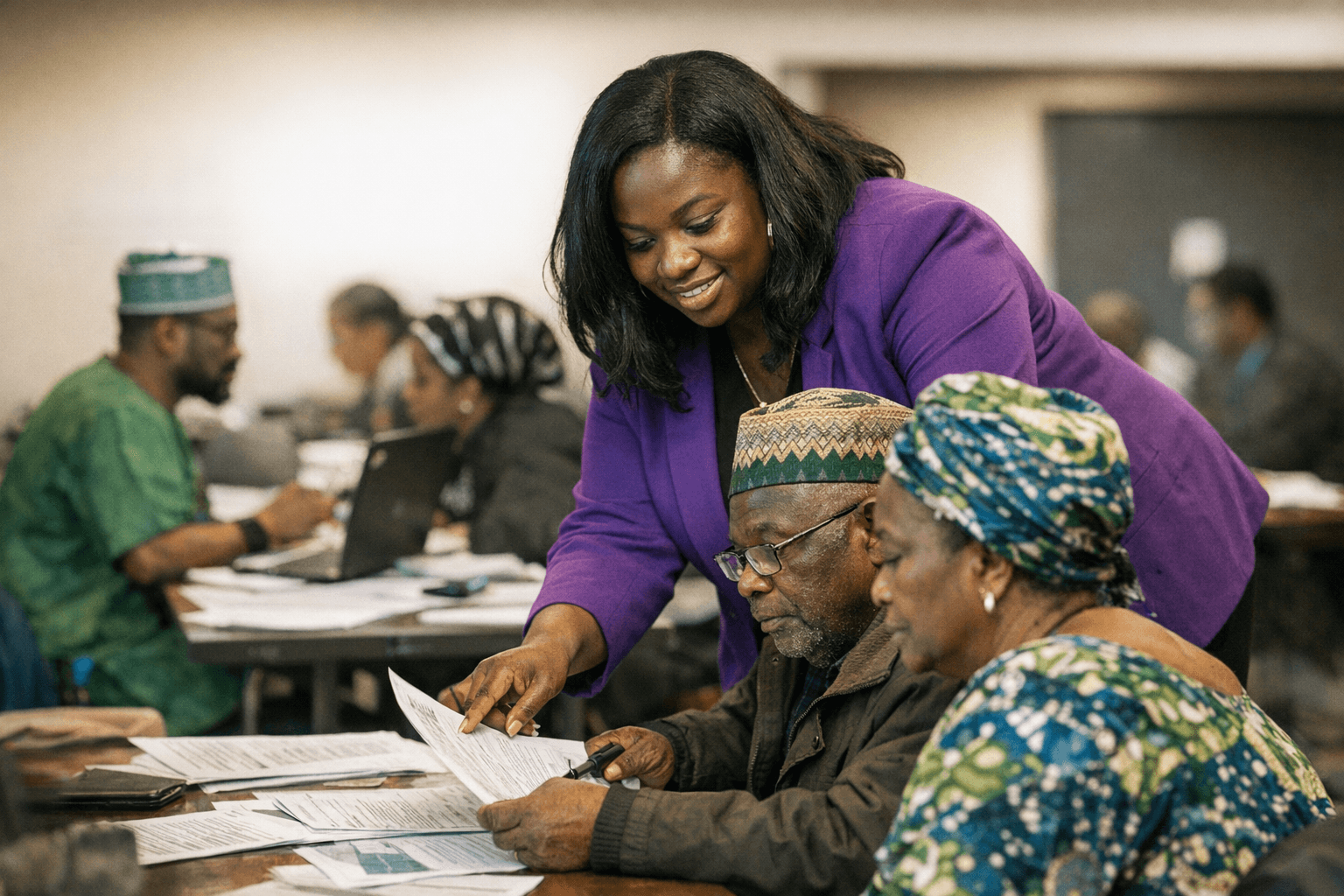
Prince George's County Councilmember Wala Blegay partnered with the Nigerian Tax Preparation Clinic on Saturday to deliver free tax-preparation services to county residents, arriving at a critical moment: the final weeks of tax season, when unfiled returns and missed credits can cost working families hundreds or thousands of dollars.
The collaboration brought volunteer preparers together with filers who needed help completing federal and state returns, identifying eligible credits, and submitting electronically. For low- and moderate-income households, that guidance can be decisive. The Earned Income Tax Credit, one of the largest refundable credits available to working families, is frequently left unclaimed by eligible filers who either lack professional help or avoid filing altogether due to cost or complexity.
The choice of partner was deliberate. Prince George's County carries one of the most diverse immigrant populations in the Washington region, and culturally oriented organizations like the Nigerian Tax Preparation Clinic offer something a generic filing service cannot: community trust. That trust matters when immigrant and diasporic households are deciding whether to hand over their financial documents to a stranger.
The event fit a pattern Blegay and other county councilmembers have cultivated in recent years: direct-service events, including health fairs, job fairs, and legal clinics, designed to close the distance between available programs and the residents who qualify for them but never access them. Predatory tax-preparation services, which can charge steep fees while delivering errors, are a known problem in lower-income communities; free clinics backed by elected officials reduce the likelihood that residents fall into that trap.
Attendees were advised to bring government-issued identification, Social Security numbers or Individual Taxpayer Identification Numbers for themselves and any dependents, prior-year returns where available, and income records including W-2s, 1099s, and any documentation of self-employment earnings.
For families who receive a refund, the benefit rarely stops at the bank deposit. Tax refunds tied to credits like the EITC routinely funnel directly into rent arrears, utility bills, childcare costs, and school expenses, making a single successful appointment at a free clinic one of the higher-leverage financial events of the year for households already stretching every dollar.
This article was produced by Prism’s automated news system from verified source data, official records, and press releases, then run through automated quality and moderation checks before publishing. The system is built and supervised by the people who set the standards it runs under. Read our full AI policy.
Did this article answer your question?