County Faces Rising Opposition to Brightseat Tech Park Data Center Plan
Strong local opposition has coalesced against plans to convert the former Landover Mall site into the Brightseat Tech Park, a hyperscale data-center complex of five buildings with substantial power demands. The dispute forces Prince George's County leaders to weigh projected commercial tax revenue against environmental justice, infrastructure strain, and public trust in zoning decisions.
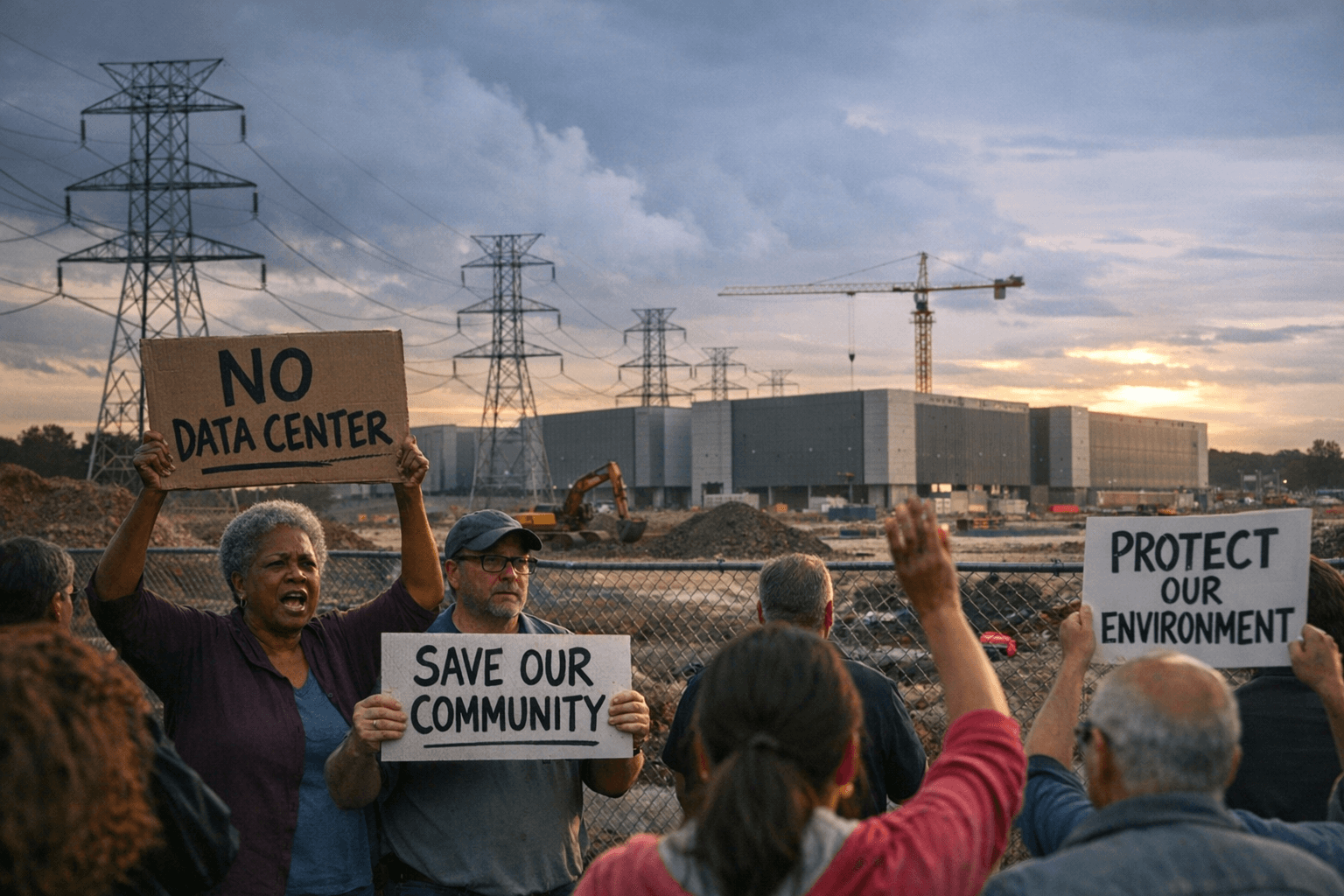
Opposition to the proposed Brightseat Tech Park on the former Landover Mall and Brightseat Road parcel intensified on January 1, 2026 as residents and community groups stepped up protests and online organizing. The project, designed as a hyperscale data-center complex comprised of five large buildings, has become a flashpoint in a broader debate over land use, public health, and the county’s fiscal strategy.
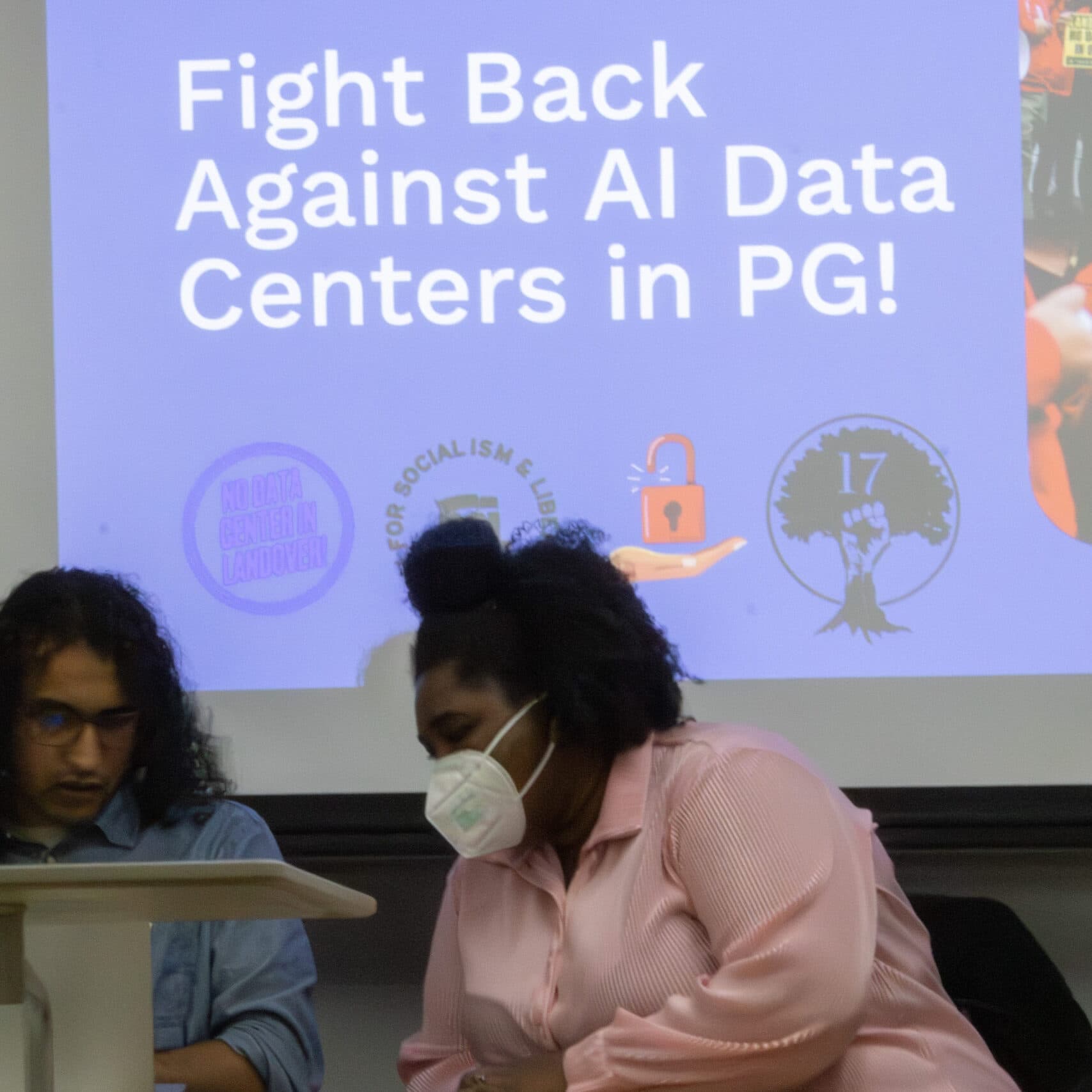
Neighbors say the development would bring increased light and noise pollution, pressures on aging utility infrastructure, and other environmental harms concentrated in predominantly Black neighborhoods. Activists organized a Change.org petition and drew large turnouts to several data-center task force meetings, where public comment sessions became heated and officials repeatedly faced calls for greater transparency and stronger zoning protections.
County officials cite a multi-year budget shortfall and an urgent need to expand the commercial tax base as primary drivers behind interest in large-scale commercial projects. State tax incentives and fast-track zoning measures enacted earlier in the decade made data-center projects financially attractive to developers, accelerating investor interest in sites such as the Brightseat property. Those same incentives and expedited approvals have become central points of contention for residents who say the benefits of new revenue have been pursued without adequate community input.
In response to public outcry, county leaders established a data-center task force that recommended tighter review procedures, including a proposed special-use review for major facilities and steps to increase project transparency. County policymakers also placed a temporary moratorium on new data-center permits while officials consider task-force proposals and draft legislation intended to increase public engagement and raise site and zoning requirements.
The debate in Prince George’s County echoes similar disputes nationally and regionally, where communities have raised concerns about the environmental footprint of data-center operations and their impacts on local utilities, air quality, and neighborhood livability. Advocates for the development argue the projects can deliver meaningful tax revenue and jobs, while opponents emphasize cumulative impacts and long-term health and infrastructure risks for already burdened communities.
How the county resolves the Brightseat controversy will shape local land-use policy and set a precedent for balancing fiscal needs against environmental justice and community consent. With temporary permit restrictions in place and proposed legislation moving through local channels, residents, elected officials, and developers are preparing for an extended deliberative process that will determine whether Brightseat Tech Park moves forward and how future data-center projects are reviewed in Prince George’s County.
This article was produced by Prism’s automated news system from verified source data, official records, and press releases, then run through automated quality and moderation checks before publishing. The system is built and supervised by the people who set the standards it runs under. Read our full AI policy.
Did this article answer your question?