Darnall's Chance museum connects Upper Marlboro to county history
At Darnall’s Chance, a 1742 house in the county seat still shows how Upper Marlboro grew around trade, power and enslaved labor. The museum turns one brick home into a map of Prince George’s County history.
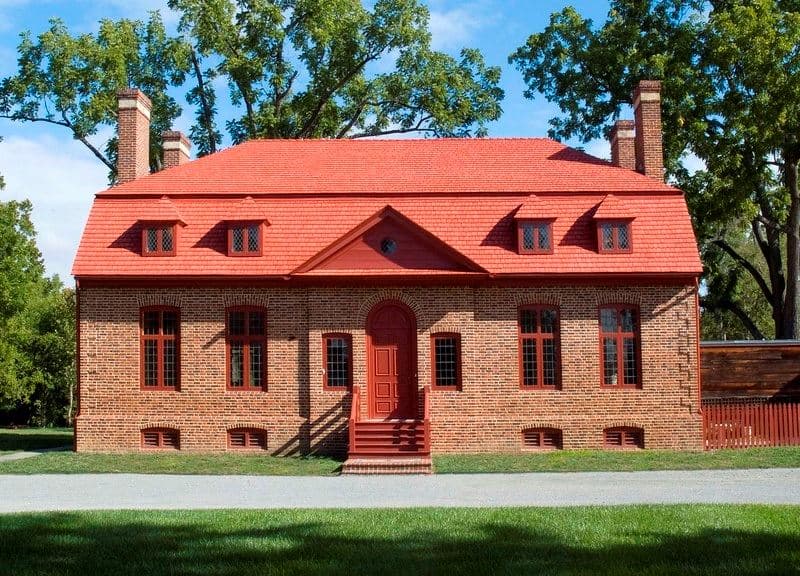
Darnall’s Chance Historic Site & Museum sits at 14800 Governor Oden Bowie Drive in Upper Marlboro, and it is still one of the clearest places to read Prince George’s County’s past in brick and mortar. Visitors can tour the house, walk through a site that opened as a public museum in 1988, and see how a surviving 18th-century home in the county seat connects the present civic center to the settlement that came before it.
What stands in Upper Marlboro today
The house itself dates to 1742, and county programming describes it as one of the older surviving historic houses in Prince George’s County. A 1992 Washington Post account called it an early Georgian brick structure, older than any other building in Upper Marlboro and perhaps in the county, a description that still captures why the site draws attention from history-minded residents and visitors.
That age matters because the building is not isolated in a rural landscape. It sits in Upper Marlboro, the county seat, where people still go for local government, public meetings and the routines of county life. The museum’s contact number is 301-952-8010, and county event listings show that the site is active enough to host free history and community day programming, along with guided and self-guided museum tours.
Why the county seat story starts here
Upper Marlboro’s history reaches back well before the modern courthouse era. County history materials place the area’s first settlement around 1695, and county community survey material ties the town’s formal establishment to the Maryland General Assembly’s 1706 and 1707 Act for the Advancement of Trade and Erecting Ports and Towns. Another county planning history paper describes Upper Marlborough as the commercial, political and social center of Prince George’s County.
That makes Darnall’s Chance more than a preserved house. It is a physical reminder that the county seat was shaped as a place of trade, administration and social gathering, not just a dot on a map. When a house from 1742 survives in that setting, it helps show how wealth, landholding and local government developed together in the same small corridor where residents still work and gather today.
The harder history inside the walls
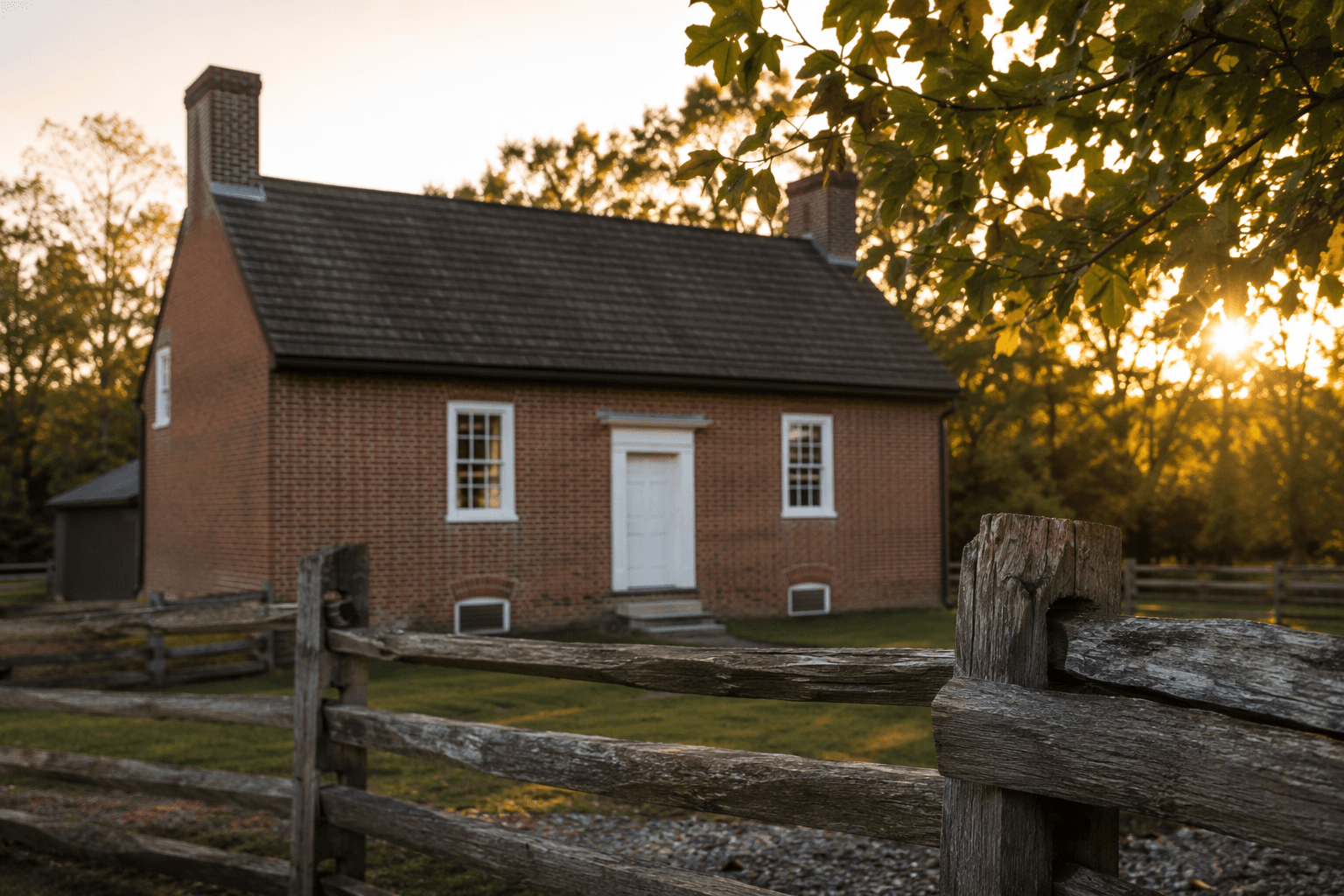
Darnall’s Chance carries more than architectural value. Maryland Historical Trust archaeology records identify the site as the Buck House, also called the Wardrop-Buck House, and describe it as a late 17th- through early 19th-century plantation complex and burial vault. That broader label matters because it places the house inside a landscape shaped by plantation labor, family succession and burial traditions, not simply by one preserved facade.
County museum materials say the site interprets enslaved labor and the ways enslaved people found freedom through self-emancipation, manumission, self-purchase and freedom suits. That interpretation gives the house a wider county story: the wealth that built and maintained such places depended on people whose names were often left out of formal records, and the museum now brings that labor back into view. The result is a site where visitors can connect colonial architecture to the county’s history of bondage, resistance and legal struggle for freedom.
Echoes of the Enslaved and the county’s memory work
Darnall’s Chance is also part of how Prince George’s County publicly talks about slavery now. The 2024 Echoes of the Enslaved booklet describes the program as an annual commemoration of the enduring legacies of chattel slavery in Prince George’s County, with the event rotating among historic sites across the county. In 2024, the gathering centered and celebrated women, showing how the county is trying to broaden the story beyond landowners and public officeholders.
County archaeology programming says the sixth annual Echoes of the Enslaved event took place at Darnall’s Chance House Museum and focused on the female perspective. That detail matters because it points to a different way of reading the site: not only as an old residence, but as a place where enslaved women, free women and the women of the household can be brought into the county’s public record. In a county seat often discussed through politics and development, this programming keeps memory tied to named places rather than abstract themes.
What a visit can include now
The museum’s current role is practical as well as interpretive. County event listings show Darnall’s Chance hosting free History Community Day programming, and the site continues to offer guided and self-guided tours. It is also tied to America 250 commemorations, which places the house within the county’s lead-up to the nation’s 250th anniversary and signals that the site is being used to help residents think about the American past from a local angle.
For a visit, the essentials are straightforward:
- Darnall’s Chance Historic Site & Museum
- 14800 Governor Oden Bowie Drive, Upper Marlboro, MD 20772
- 301-952-8010
The address puts the site squarely in the county seat, where the old civic geography is still visible. That is the point of Darnall’s Chance: it helps Prince George’s County remember that Upper Marlboro was not only where government happened later, but where settlement, trade, slavery and local power were already taking shape in the 18th century.
This article was produced by Prism’s automated news system from verified source data, official records, and press releases, then run through automated quality and moderation checks before publishing. The system is built and supervised by the people who set the standards it runs under. Read our full AI policy.
Did this article answer your question?