Fort Washington Park tells a century of capital defense history
Fort Washington Park is more than an old fort. It is Prince George's County's clearest record of how the Potomac helped defend Washington and how the site kept evolving.
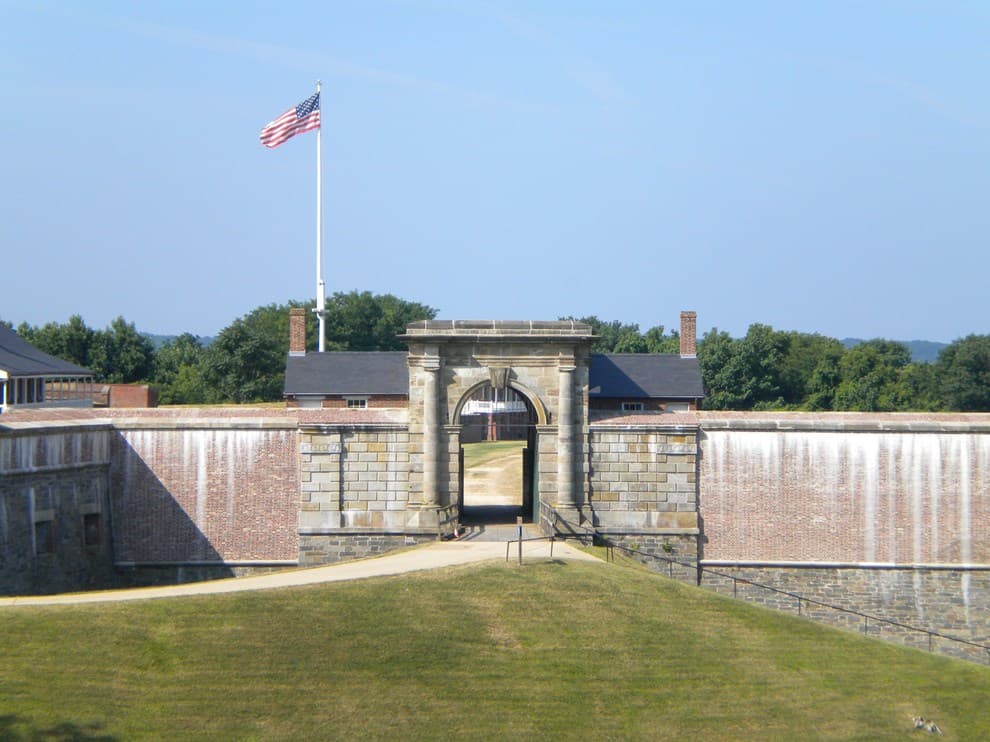
Fort Washington Park is one of Prince George's County’s most revealing historic places because it tells a long defense story in one riverfront landscape. The fortification that began as Fort Warburton in 1808-1809 was built to guard the Potomac River approach to Washington, D.C., and the ground later absorbed new defenses as artillery, strategy, and the nation changed. Today, the park lets local residents see how the county stood on the front line of capital defense for more than a century.
A fort that changed with the country
The original fort, completed in 1809, was the first answer to the threat of a river attack on the young capital. Its purpose became immediate in 1814, when British forces advanced up the Potomac after burning Washington, and the fort was destroyed during the War of 1812. That loss did not end the site’s military role; it triggered a replacement that was stronger, more permanent, and better suited to the lessons of wartime vulnerability.
Between 1814 and 1824, a sturdier brick fort rose in its place. Later, in the 1890s, concrete batteries were added as military technology moved from masonry fortification to modern coastal defense. The Maryland Historical Trust records the property’s period of construction as 1808-1921, which captures that long transition from the first fort to the later defenses layered onto the same ground.
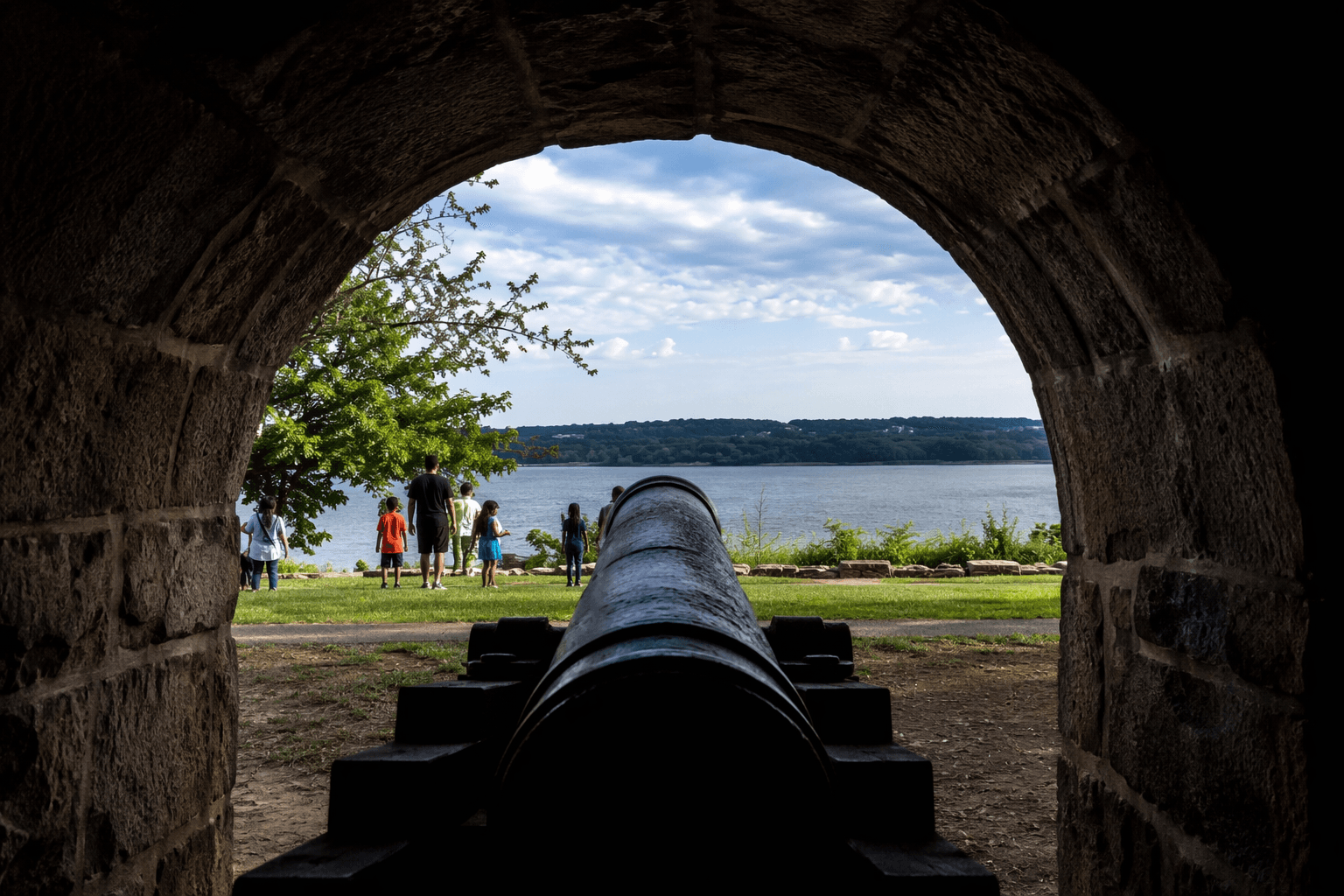
The National Park Service sums up that change plainly: Fort Washington is “the accumulation of events and ideas and the physical remains of several forts rather than of one climactic act or of one structure.” That description matters because the site does not freeze one moment in time. It shows how the country adapted the same strategic point again and again as threats and weapons changed.
Why the Potomac shoreline still matters
Fort Washington’s location explains its lasting value to Prince George's County. The park sits on the Potomac River in Fort Washington, where the river itself shaped the security of the capital and the identity of nearby communities. The shoreline was not just scenic ground; it was a defensive border that linked local life in Fort Washington, Oxon Hill, and National Harbor to the military history of Washington, D.C.
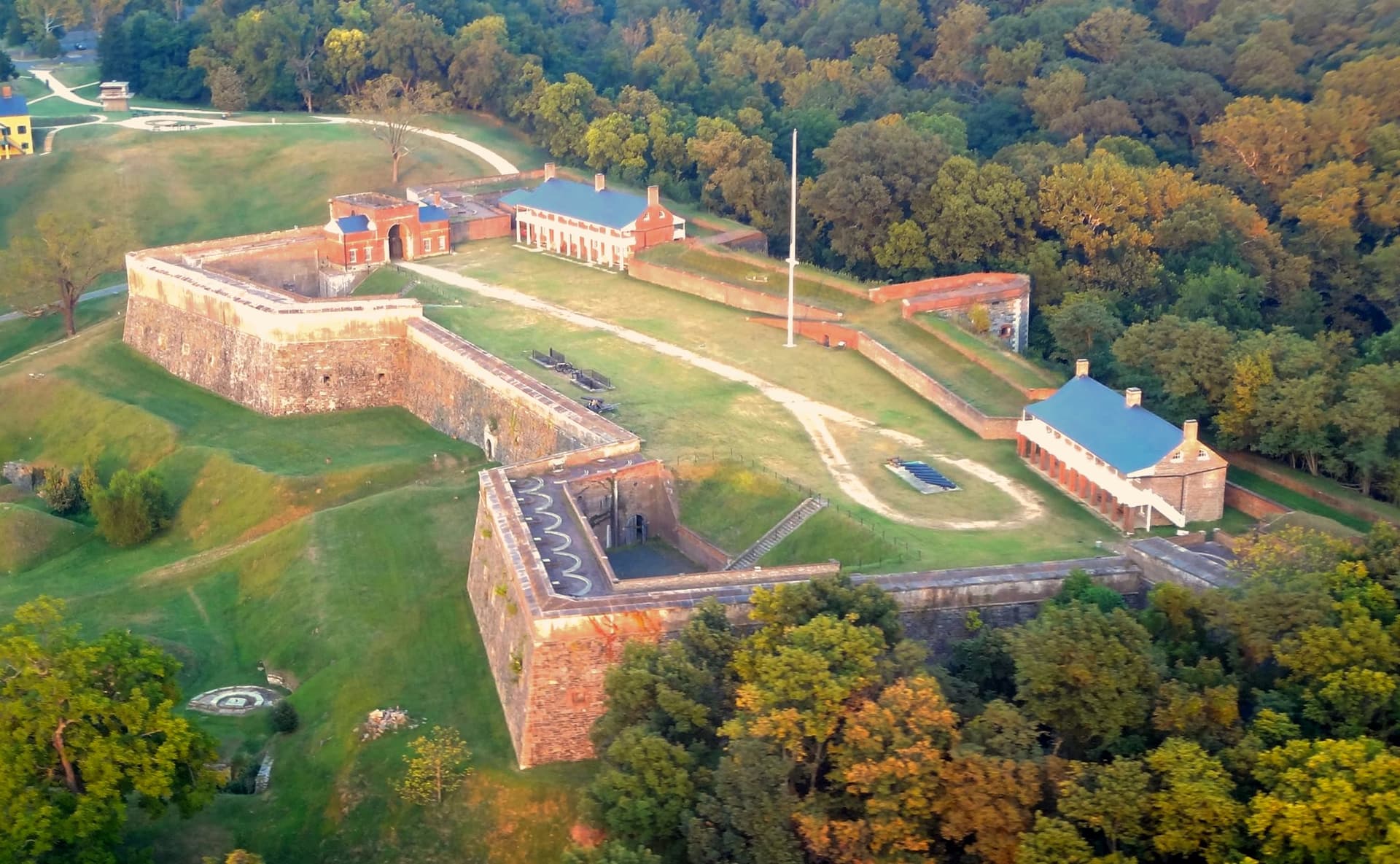
The site’s service period stretches from 1809 through 1946, with some decommissioned periods, according to the National Park Trust. During that span, the fort defended the Potomac River approach during the War of 1812 and the Civil War, then continued to adapt as late-19th-century artillery changed the way the coast was protected. That long use is why the park matters to county history as much as to military history: it shows how local geography was folded into national defense planning generation after generation.
What visitors can still read on the ground
What remains visible at Fort Washington Park is the layered character of the site itself. The preserved fort walls, the waterfront setting, and the older and newer defensive features give visitors a way to read the place without needing a battlefield narrative to explain it. The terrain still carries the logic of its original mission: a high-value point overlooking the river, built to watch for danger before it could reach the capital.
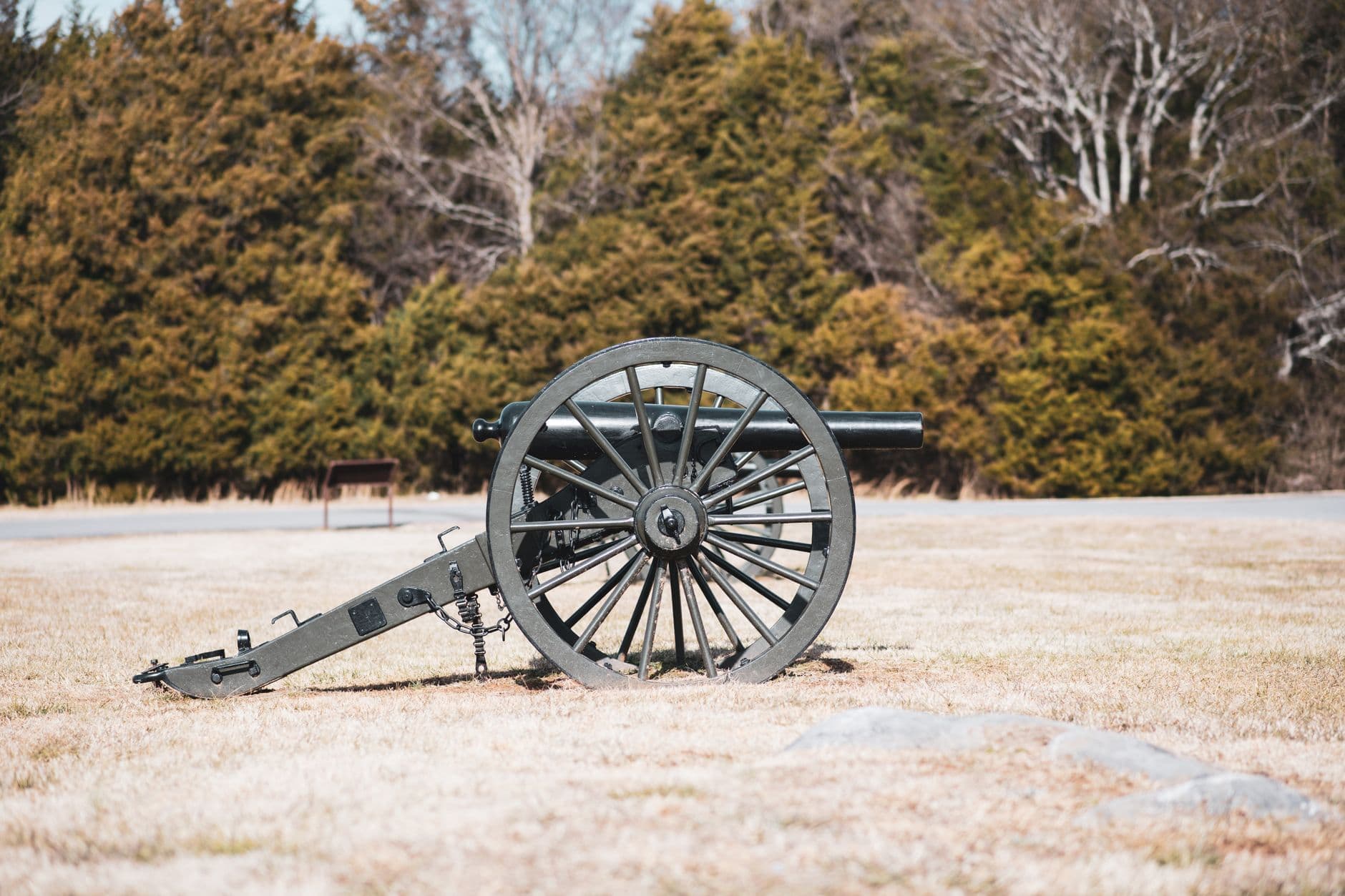
The later coastal-defense features are part of that story too. The site includes Endicott-era batteries such as Battery White and Battery Humphreys, which show how the same location was repeatedly upgraded to meet new military threats. Those additions matter because they help visitors see the shift from earthen and masonry fortification to the engineering of the late 19th century.
The park’s listing on the National Register of Historic Places reinforces that layered significance. The Maryland Historical Trust lists the site as Fort Washington, also known as Fort Warburton, and says it was listed on October 15, 1966. The National Register entry gives the location as 13551 Fort Washington Road in Fort Washington, Prince George's County, placing the history directly on a site that residents can still visit today.
A county story, not just a military relic
Fort Washington Park is part of National Capital Parks-East, and that federal stewardship helps preserve more than structures. It protects a landscape that explains how Prince George's County was tied to the defense of Washington, how the Potomac shaped settlement and strategy, and how public memory is built from surviving ground, not just documents. The park trust material’s account of the site as an active military installation from 1809 through 1946 shows why it cannot be reduced to one war or one era.
That is what makes the park locally important now. It connects Indigenous land, colonial-era settlement, War of 1812 defense, Civil War-era protection, and late-19th-century military modernization in one place. For Prince George's County, preserving Fort Washington means preserving the evidence that the county helped define the capital’s security and that its waterfront was never separate from the nation’s larger story.
The park’s value lies in that continuity. In the walls, batteries, and river views, Prince George's County can still see how a defense site became a public memory site, and how the same ground continues to tell the story of a county shaped by the Potomac.
This article was produced by Prism’s automated news system from verified source data, official records, and press releases, then run through automated quality and moderation checks before publishing. The system is built and supervised by the people who set the standards it runs under. Read our full AI policy.
Did this article answer your question?