Four Terps Drafted to MLS, Maryland Faces Offseason Roster Turnover
Four University of Maryland men’s soccer players were selected in the 2026 MLS SuperDraft on December 18, moving from College Park to professional clubs in Kansas City, Portland and Washington. The departures underscore the program’s continued role as a pipeline to pro soccer, while raising questions about roster depth, recruiting and access to youth development in Prince George's County.

Four members of Maryland’s men’s soccer team were taken in the 2026 MLS SuperDraft on December 18, a milestone that signals both success for the program and a period of transition for the Terrapins. Sadam Masereka was selected by Sporting Kansas City, Colin Griffith was picked by Portland, and two players, Stephane Njike and defender Lasse Kelp, were chosen by D.C. United. The selections capped strong individual contributions during the 2025 season and reinforced Maryland’s reputation for producing professional players.
The immediate effect is a significant offseason turnover for the Terrapins coaching staff, which must replace four players who factored into the team’s 2025 performance. That turnover will shape spring training, scholarship decisions and recruiting pitches as Maryland competes to maintain its standing among collegiate programs that regularly send athletes to the professional ranks. Incoming recruits and returning players will confront shifts in starting roles and playing time, which can influence retention and development.
For Prince George's County residents the news matters beyond campus athletics. The county has a deep and diverse youth soccer community that looks to Maryland as a model and destination. Having multiple alumni drafted to Major League Soccer raises the profile of local pathways, but it also spotlights longstanding inequities in access to elite training, travel teams and exposure. Local coaches and community organizations face pressure to ensure that talent from lower income neighborhoods can access the same development opportunities that produce professional prospects.
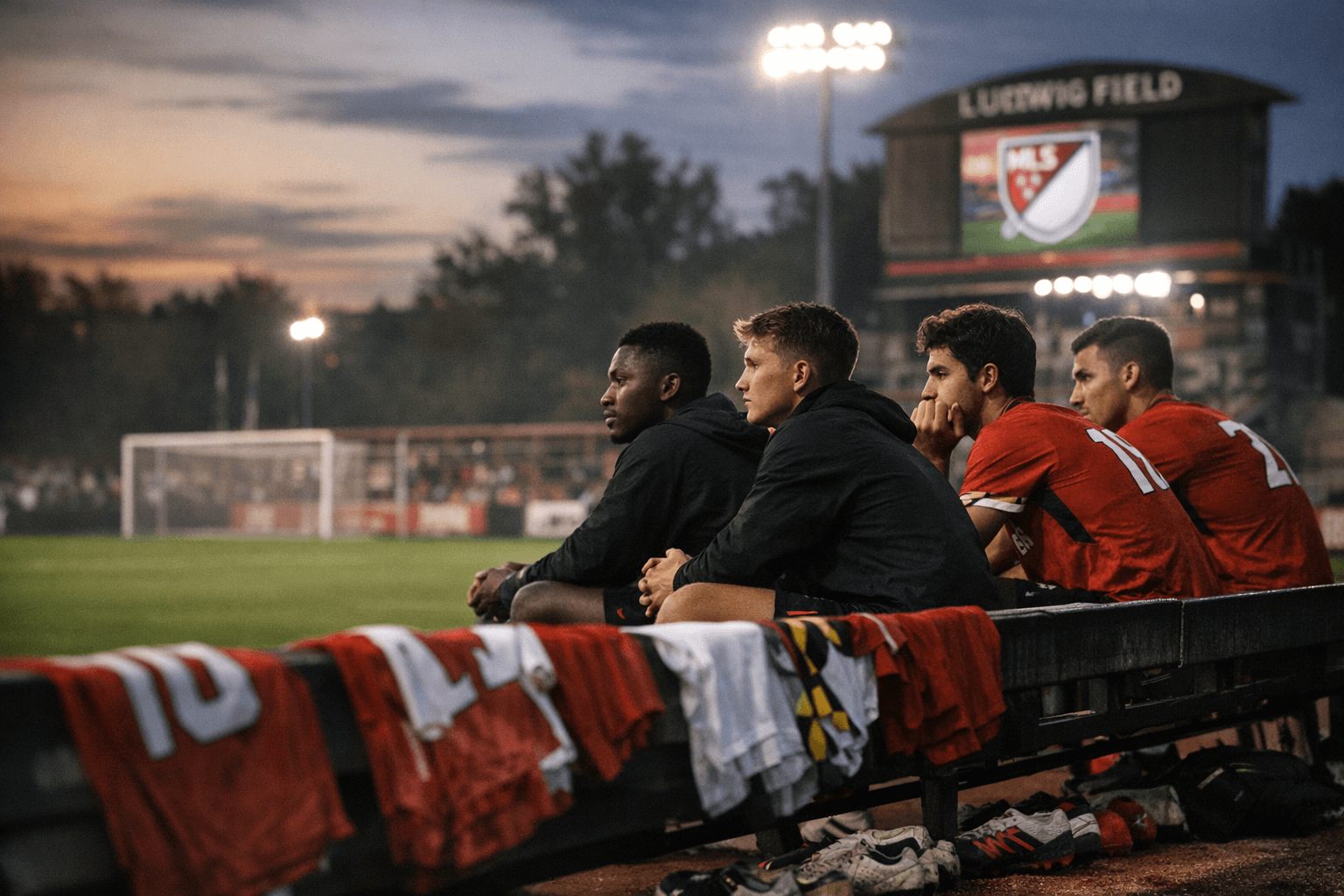
There are public health and community implications as well. Organized sports serve as a platform for physical activity, mental health support and social mobility for young people. When college programs succeed in moving players to the professional ranks, there is potential to leverage that visibility into expanded community clinics, mentoring and career guidance. At the same time universities and professional clubs have responsibilities around athlete health, career transition and long term wellbeing that ought to be coordinated with county health and youth services.
As Maryland prepares for the next season, the program’s ability to recruit equitably and to support current players through roster change will determine whether the recent draft success translates into sustainable benefits for players and for Prince George's County communities.
This article was produced by Prism’s automated news system from verified source data, official records, and press releases, then run through automated quality and moderation checks before publishing. The system is built and supervised by the people who set the standards it runs under. Read our full AI policy.
Did this article answer your question?

