Greenbelt Council Confronts $4.445 Million Budget Shortfall for FY27
Greenbelt’s city council held a Jan. 1 worksession to review a preliminary Fiscal Year 2027 budget and receive a briefing from new treasurer Ron Covington, identifying roughly $4.445 million in new or recurring needs that outstrip projected new revenues. The gap forces the city to consider fee increases, code enforcement fine revisions and other service-charge adjustments while warning against relying on unassigned fund balance, with parallel plans to step up county and state advocacy on housing, transportation and immigration issues.
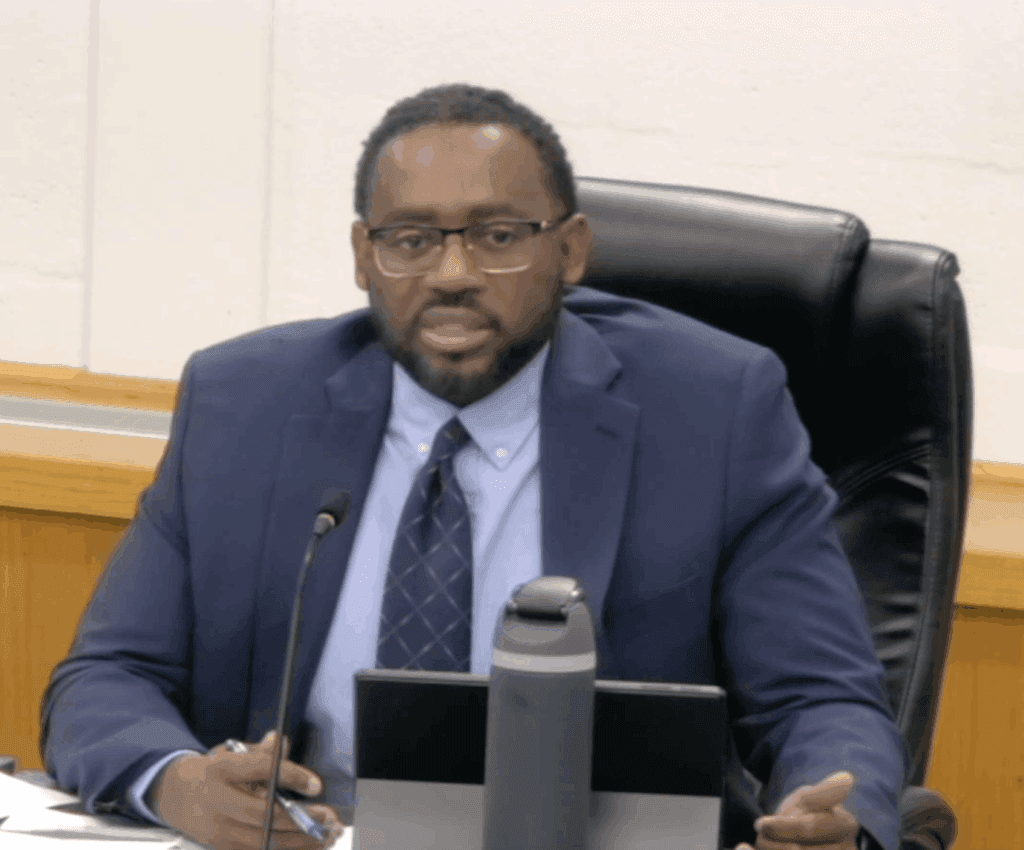
Greenbelt city officials opened 2026 by laying out a stark fiscal picture for Fiscal Year 2027. In a Jan. 1 worksession, the council received a preliminary budget review and a briefing from new treasurer Ron Covington that highlighted approximately $4.445 million in new or recurring budget pressures. Those pressures include police union cost increases, across-the-board salary pressures, rising health insurance costs, bolstering capital reserves and funding for Crisis Intervention Team positions.
Projected new revenue was smaller than the newly identified needs, leaving a pre-budget gap that councilmembers said cannot be filled sustainably by one-time measures. The city’s revenue base remains heavily reliant on property taxes, constraining options to balance recurring obligations without shifting costs to residents or cutting services.
Council discussion focused on revenue options that could generate recurring funds without dramatic tax increases. Proposals under consideration included modest fee increases for recreation programs, revising code enforcement fines and adjusting other service charges. Officials emphasized the unsustainability of depending on the unassigned fund balance for ongoing expenses, noting that short-term fixes would leave future budgets more vulnerable to the same pressures.
The preliminary review also framed Greenbelt’s legislative strategy for the coming year. The city will retain two legislative consultants, one to handle county-level advocacy and another focused on state matters, and prioritize a slate of policy goals to protect local interests. Top priorities named by the council include affordable and senior housing, environmental protections, transportation improvements, measures addressing rent stabilization and just-cause eviction, immigration and ICE-related issues, and voting rights.

For Prince George’s County residents, the discussions signal possible modest cost increases for some city services and the prospect of more active advocacy at county and state levels on housing and tenant protections. Funding for Crisis Intervention Team positions could expand behavioral-health response capacity, while pressure on the police budget reflects broader labor negotiations that have fiscal ripple effects in municipalities nationwide.
The FY27 budget process remains in its early stages. Council deliberations will continue as staff refines revenue projections and evaluates the trade-offs between fee adjustments, service levels and reserves. Greenbelt leaders said they will seek recurring revenue solutions to preserve city services and financial stability as economic pressures, from rising benefit costs to contract settlements, continue to mount.
This article was produced by Prism’s automated news system from verified source data, official records, and press releases, then run through automated quality and moderation checks before publishing. The system is built and supervised by the people who set the standards it runs under. Read our full AI policy.
Did this article answer your question?