Greenbelt police launch registry to help find vulnerable residents fast
Greenbelt police launched a voluntary registry that lets families preload photos, medical details and emergency contacts before a vulnerable resident goes missing.
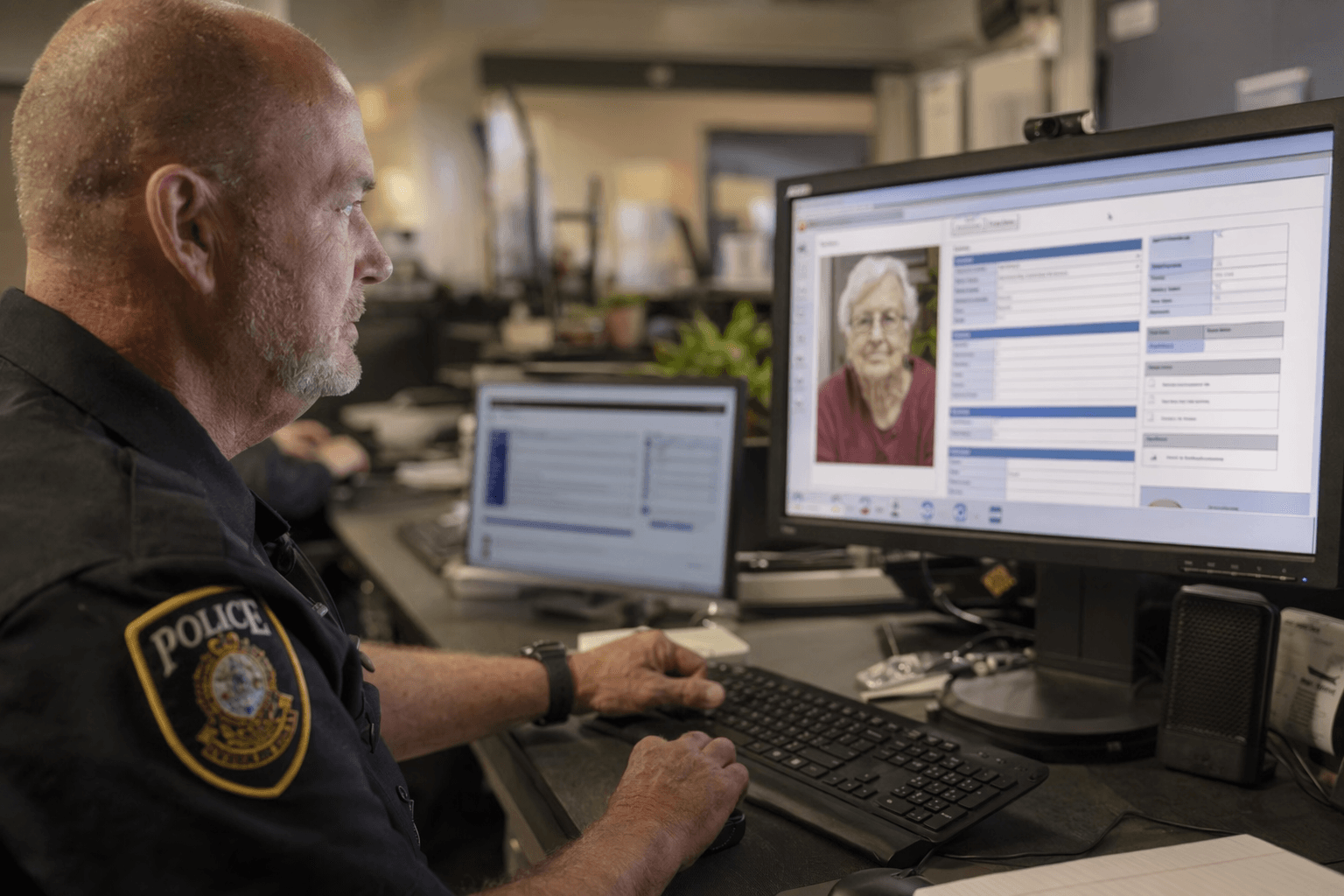
Greenbelt police launched a voluntary registry that lets families preload key details on children, adults and seniors who may wander or become disoriented, giving officers a head start if someone goes missing.
Officer Kendall Graham, who created the Greenbelt Guardian Program, said the goal is to bridge the gap between families and police so responders know a person’s identity, medical needs and likely location before a search begins. The city says the registry is open to Greenbelt residents with autism, Alzheimer’s, dementia or other conditions that can make communication difficult or raise the risk of wandering.
The program grew out of a real search last Friday, when a 16-year-old autistic boy went missing at the Greenway Shopping Center. Police and a helicopter search found him safely, but the case convinced many in the department that Greenbelt needed a more proactive system, not just a response after panic has already set in.
Families who enroll can provide a name, date of birth, physical description, diagnosis or support needs, wandering or missing history, emergency contacts and a current front-facing photo. City materials say the form can also include communication tips, triggers to avoid and medical information. Families can contact Officer Graham at kgraham@greenbeltmd.gov to register.
Greenbelt Police say the information is confidential, stored securely and used only by authorized personnel for public-safety purposes. The policy also says participation does not create a special duty or guarantee of response, and it does not replace emergency services or medical alert systems. That is the key accountability point for residents weighing whether to sign up: the registry is meant to improve speed and context, not promise a different legal standard.
The new effort builds on an existing network. Greenbelt already has a Critically Missing Persons program through Greenbelt CARES and the Greenbelt Assistance in Living Program, or GAIL, which city materials say was established in 2001. The city’s materials also cite the Alzheimer’s Association’s estimate that 6 out of 10 people living with dementia will wander at least once.
Support for the effort also surfaced at Springhill Lake Elementary, where Dr. Paulette Chung said the school serves more than 100 students with autism. That number gives the new registry broader significance in a city where families, schools and police are already managing the risks of wandering and disorientation.
For Prince George’s County, Greenbelt’s launch offers a possible model: a local registry that aims to shorten searches, reduce fear and give officers better information without expanding police obligations or weakening privacy protections.
This article was produced by Prism’s automated news system from verified source data, official records, and press releases, then run through automated quality and moderation checks before publishing. The system is built and supervised by the people who set the standards it runs under. Read our full AI policy.
Did this article answer your question?