House Panel Backs Bill Easing Double-Job Limits for Maryland Lawmakers
An ethics ruling forced Sen. Ron Watson to quit his PGCPS adviser job. Now his bill easing double-job limits for Maryland lawmakers won key House committee support.
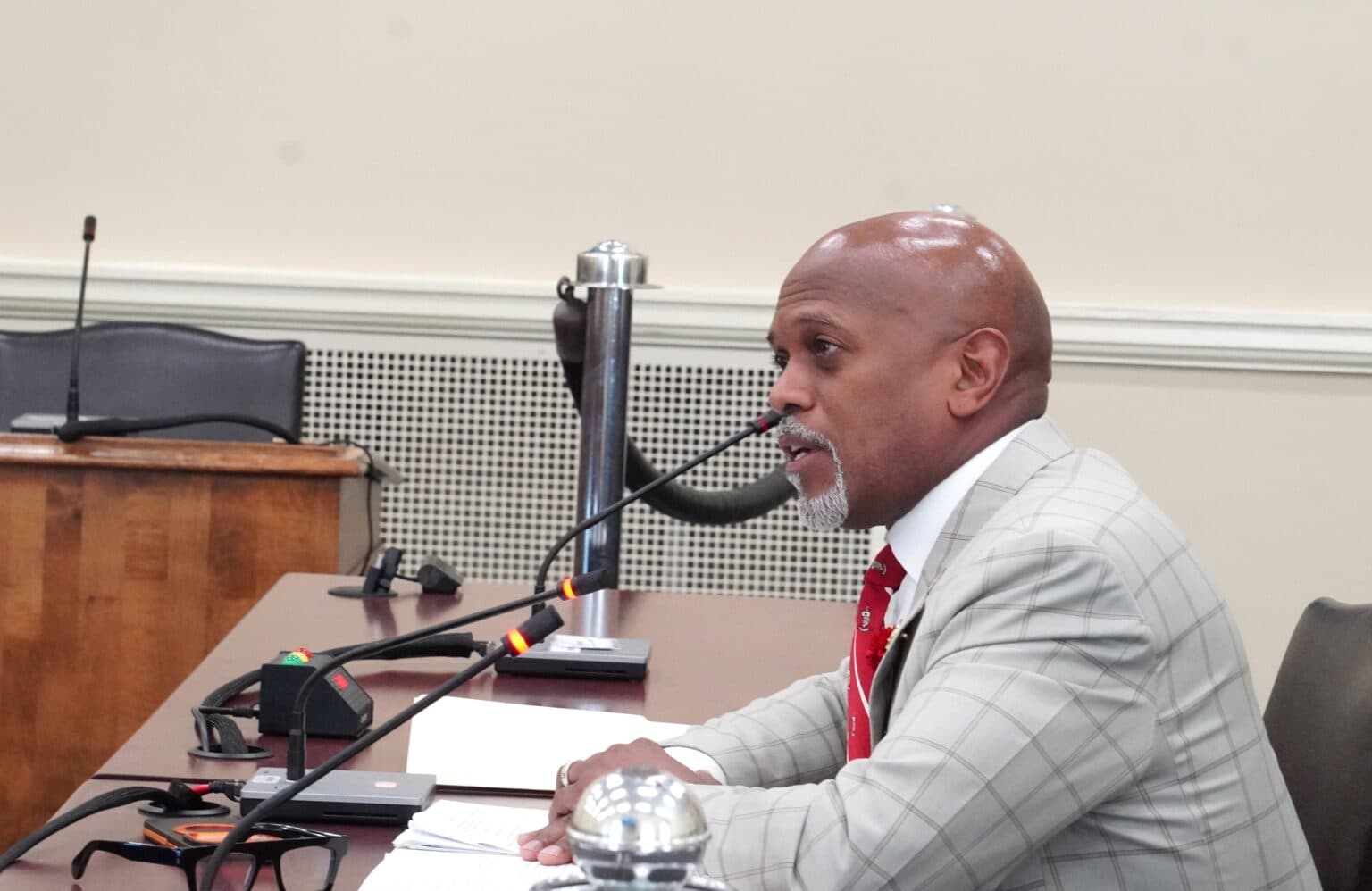
A bill born from Sen. Ron Watson's own forced resignation cleared a significant hurdle this week when the House Government, Labor and Elections Committee gave a receptive hearing to Senate Bill 618, legislation that would loosen Maryland's prohibition on state legislators holding second jobs with government employers.
Watson, a Democrat representing parts of Prince George's County, testified before the panel in support of the measure. His motivation for sponsoring it is personal and direct: an ethics determination last year required him to resign from a role as interim senior adviser to the Prince George's County Public Schools superintendent, stripping him of both income and what he considered meaningful public service work. Senate Bill 618 is his legislative response.
The bill would allow lawmakers to accept employment with state, county, or municipal governments under two conditions: the legislator must have completed at least one full term in the General Assembly, and must objectively satisfy the education, licensure, and experience requirements for the position. Watson and supporters argued the current blanket prohibition is financially punishing to professionals such as schoolteachers and small-business owners, effectively narrowing the legislature to those with independent wealth or flexible private-sector arrangements.
Critics raised a pointed concern: a legislator who draws a paycheck from a county agency or school system may face pressure when voting on state budgets or policies that directly benefit that employer. Supporters countered that Maryland's existing ethics framework already addresses those scenarios through conflict-of-interest rules, procurement safeguards, mandatory disclosures, and independent ethics review. Watson emphasized those mechanisms would remain fully in force under the bill.

For Prince George's County, which routinely cycles personnel between local agencies and Annapolis, the stakes are more concrete than in most jurisdictions. The county sends a substantial delegation to the General Assembly, and its close institutional ties to state government mean dual-role situations arise more frequently. Recent ethics reviews that prompted resignations and legal scrutiny in the county have kept conflict-of-interest questions at the center of local political conversation, giving Senate Bill 618 an immediacy here that it may not carry elsewhere.
Committee momentum does not guarantee enactment. The bill still requires a full House floor vote, Senate concurrence if any amendments are adopted, and the governor's signature. How recusals and procedural guidance get written into any final version will likely determine whether ethics officials and local government leaders view the new framework as workable or as an open door to the pay-to-play dynamics the hearing sought to dispel.
This article was produced by Prism’s automated news system from verified source data, official records, and press releases, then run through automated quality and moderation checks before publishing. The system is built and supervised by the people who set the standards it runs under. Read our full AI policy.
Did this article answer your question?