Joint Base Andrews airmen under review after wrong-home response
Armed airmen entered the wrong home at Joint Base Andrews, triggering an internal review and fresh questions about resident safety in Prince George’s County.

At Joint Base Andrews, armed Security Forces airmen ended up in the wrong residence while responding to a domestic incident, a mistake now under internal review and one that has sharpened concern in Prince George’s County about how quickly a security call can turn into a frightening confrontation inside a private home.
The incident happened April 28 and involved members of the 316th Security Forces Squadron, the base’s law-enforcement and protection unit. Joint Base Andrews confirmed the airmen went to the wrong home and said the matter was being handled internally. A Facebook video tied to the incident spread rapidly online and had more than half a million views, turning a local security lapse into a public flashpoint far beyond the base gates.
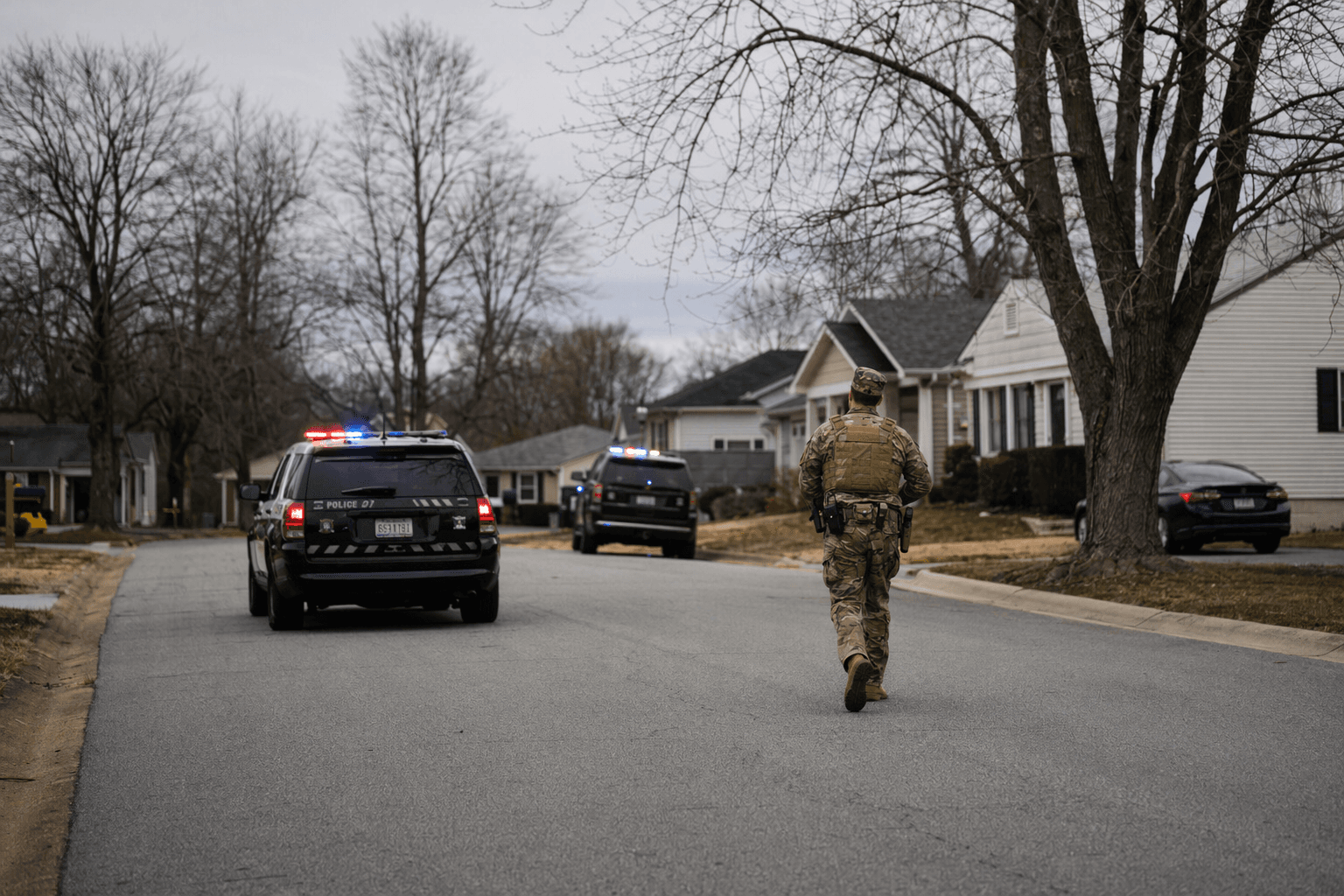
The woman who posted the video said the airmen entered her home with guns drawn on her minor child, who had just returned from school and was home alone. The base did not confirm those details. Its public statement was brief, saying the safety and protection of its airmen and families remained the highest priority and that no additional details were available.
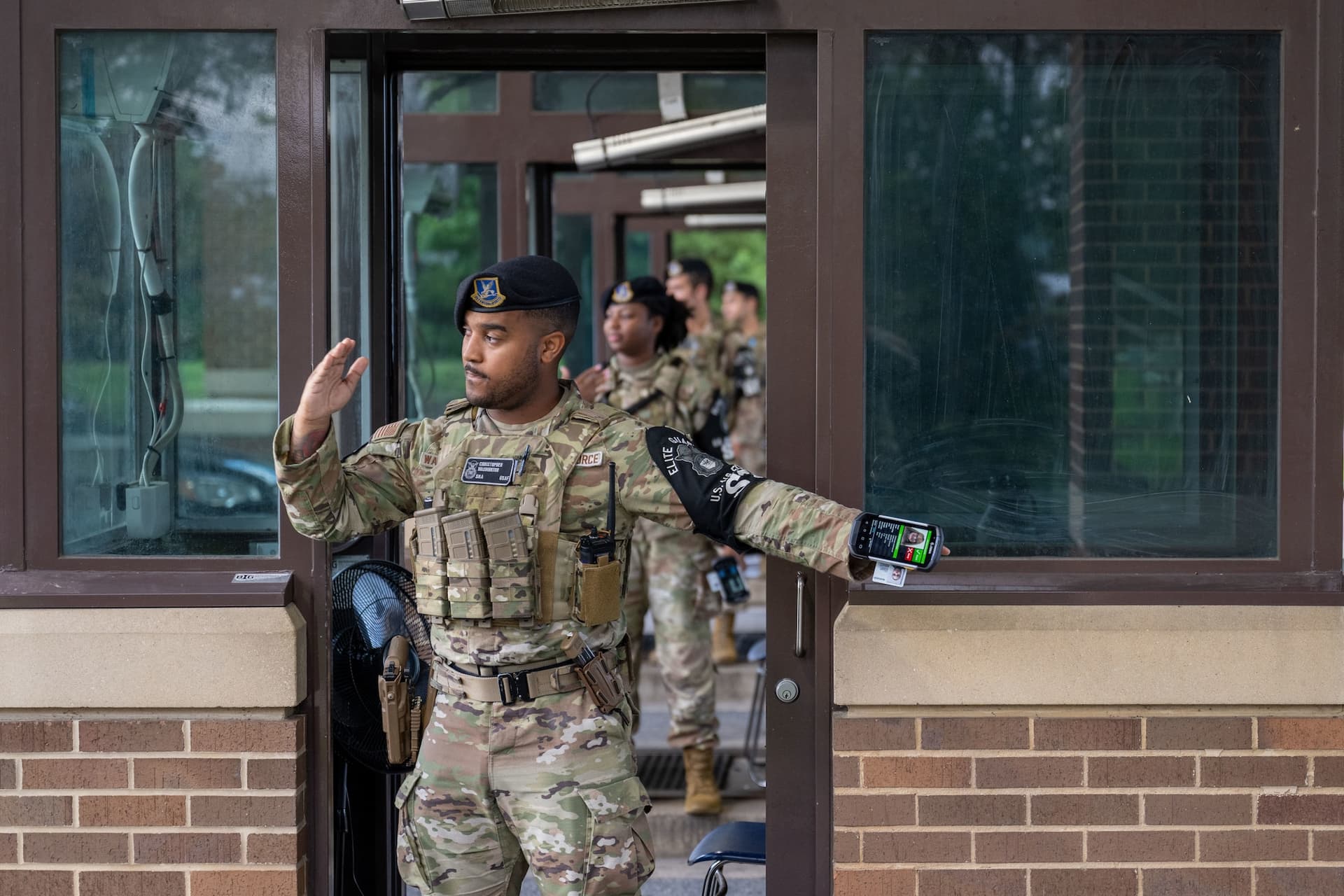
The accountability process is already underway. At least two Air Force Security Forces airmen were removed from full-duty status, and they were assigned work that does not require them to be armed while a command-directed investigation continues. The investigating officer had not been named and will not come from the 316th Security Forces Squadron, a step that underscores the seriousness of the review and the need for some separation from the unit involved.
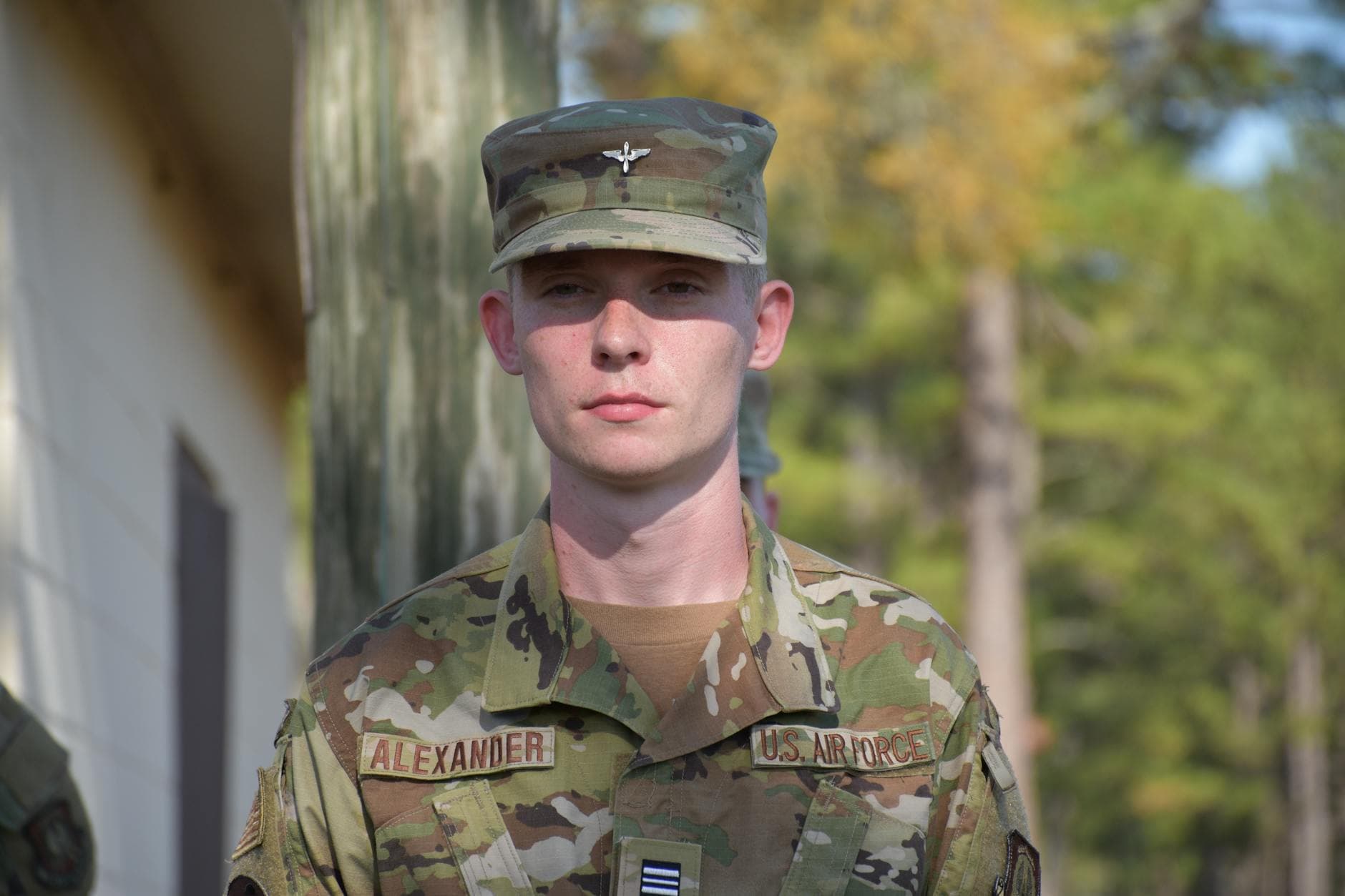
For Prince George’s County, the stakes go beyond one mistaken entry. Joint Base Andrews sits inside the county as a major security hub for the National Capital Region, and the 316th Security Forces Squadron is the unit residents expect to respond with discipline and precision. When that response lands at the wrong address, it raises hard questions about identification procedures, communication during domestic-response calls and the protections families inside and around the base can rely on when armed personnel are sent to a home.
This article was produced by Prism’s automated news system from verified source data, official records, and press releases, then run through automated quality and moderation checks before publishing. The system is built and supervised by the people who set the standards it runs under. Read our full AI policy.
Did this article answer your question?