Maryland clears tax revenue plan for Prince George's Sphere project
Moore signed a bill letting Prince George’s redirect tax revenue to the National Harbor Sphere, putting public revenue behind a $200 million entertainment gamble.
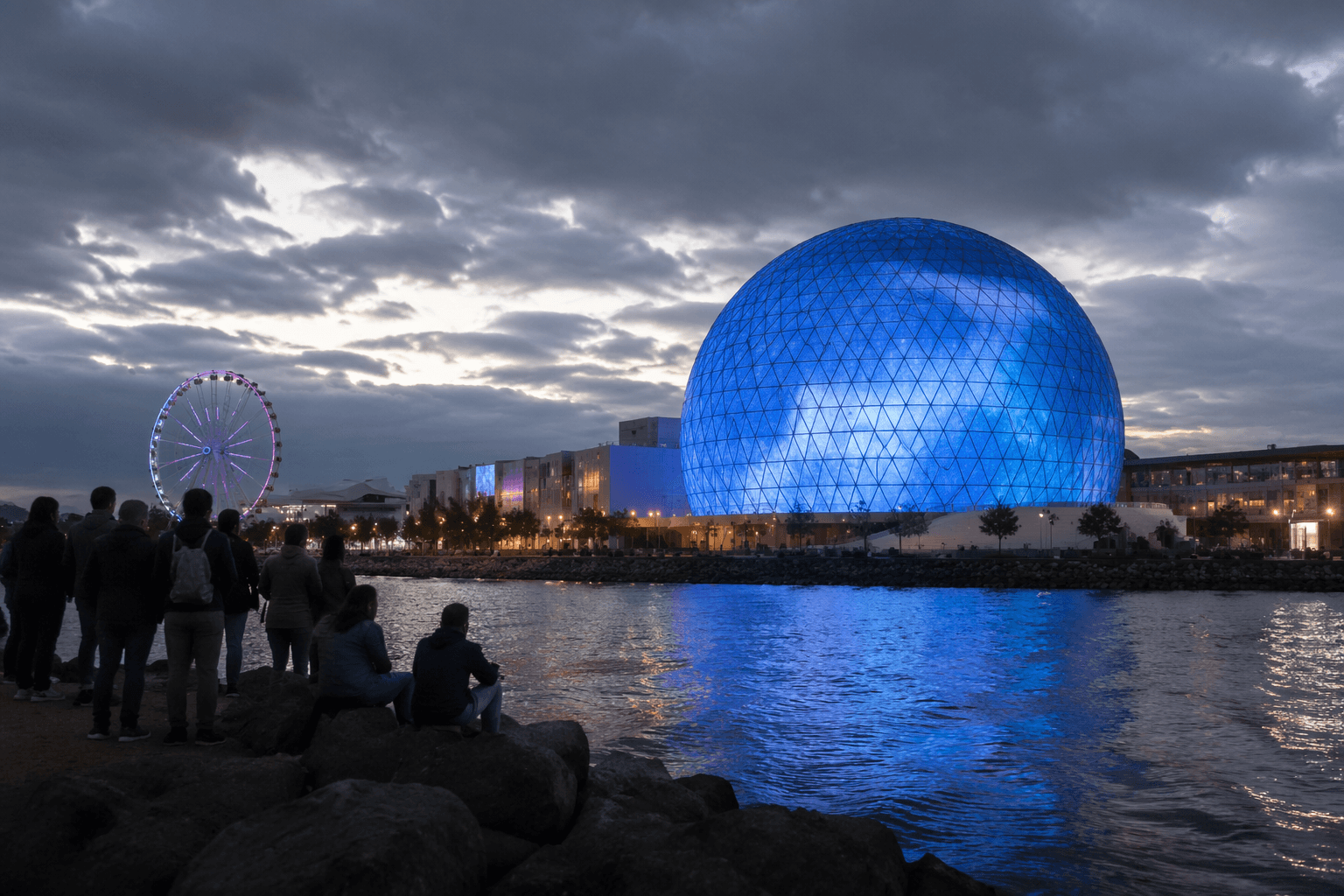
Gov. Wes Moore signed legislation April 28 that gives Prince George’s County a legal path to redirect tax revenue toward the planned Sphere at National Harbor, putting public dollars and future county receipts behind a project officials say could reshape Oxon Hill’s tax base. The financing structure clears a major hurdle for the 6,000-seat venue, which backers say will lean on about $200 million in state, local and private incentives rather than private financing alone.
County Executive Aisha Braveboy and Moore have been the public faces of the push since the project was announced Jan. 19 by Prince George’s County, the governor’s office, Sphere Entertainment Co. and Peterson Companies. The development is planned for an eight-acre site near MGM National Harbor and is billed as the second Sphere in the United States and the first on the East Coast, with a smaller-scale design that still includes the company’s Exosphere exterior LED display, a 16K by 16K interior screen, immersive sound, haptic seating and 4D environmental effects.
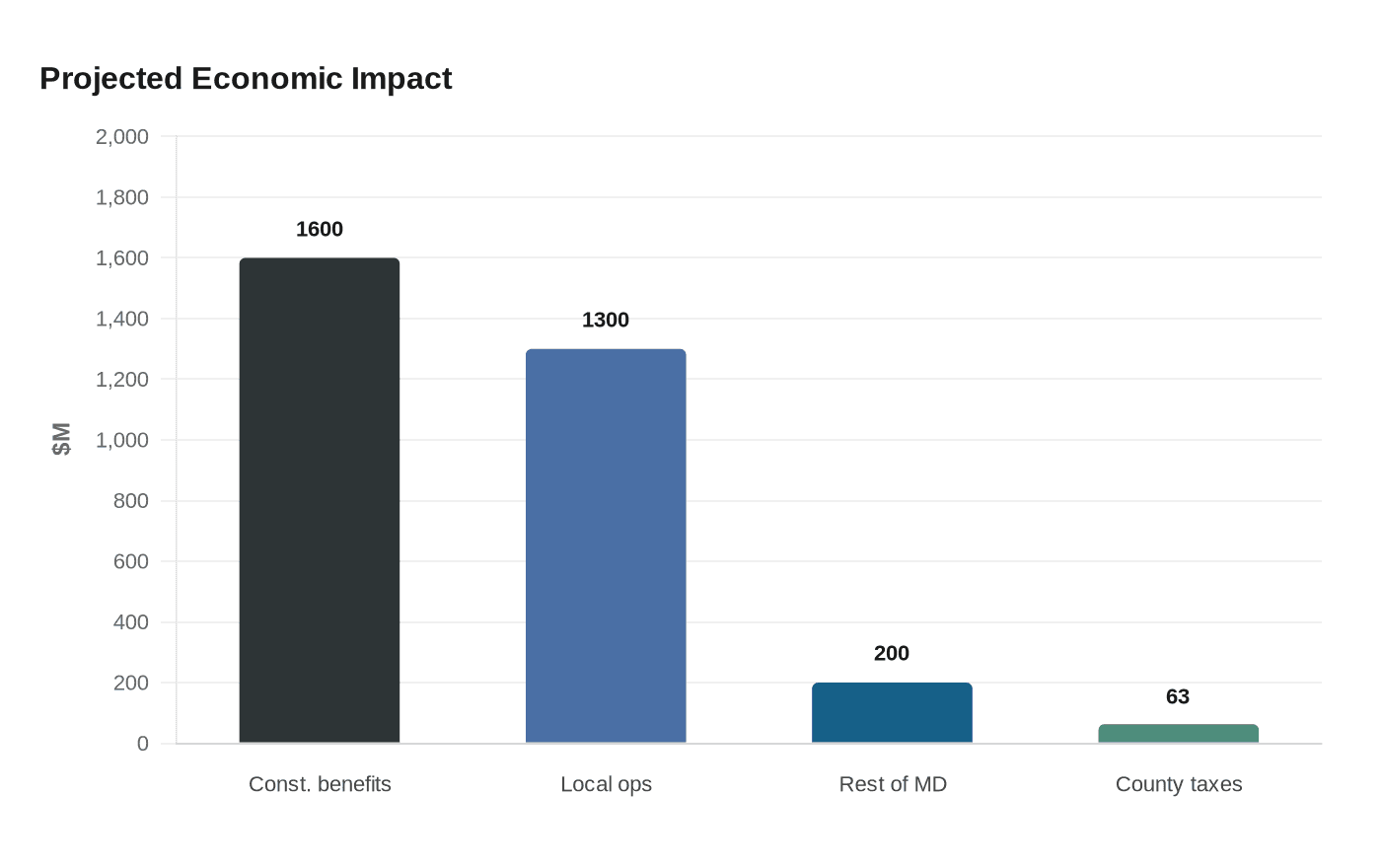
Supporters are selling the project as a year-round tourism engine. County materials, backed by an Ernst & Young analysis, say construction could generate $1.6 billion in economic benefits for Prince George’s County, while operations could add more than $1.3 billion a year locally and another $200 million across the rest of Maryland. Officials also say the venue could support about 2,500 construction jobs and 4,750 jobs once open, with the county’s economic page projecting about 7,100 direct and indirect jobs in Prince George’s County alone and $63 million in annual county taxes. The county argues the venue could generate more than $1 billion in yearly revenue and more than triple the taxes from Northwest Stadium and Six Flags combined.
The political fight is over whether those promises justify the public exposure. Critics have pointed to Maryland’s roughly $1.4 billion budget deficit and questioned why taxpayers should help finance a billionaire-backed entertainment complex, especially before any crowds have arrived. Supporters counter that Prince George’s needs new revenue sources as the Washington Commanders prepare to leave Landover and as National Harbor, which already draws more than 15 million visitors a year, looks for another reason for travelers to spend the night on the county side of the border. The new law makes the bet official; the burden now is on the project to deliver the jobs, tourism and tax growth county leaders have promised.
This article was produced by Prism’s automated news system from verified source data, official records, and press releases, then run through automated quality and moderation checks before publishing. The system is built and supervised by the people who set the standards it runs under. Read our full AI policy.
Did this article answer your question?