Maryland Lynching Commission Issues 84 Recommendations; Prince George's County Weighs Response
Maryland's lynching truth commission released a final report with 84 recommendations after six years of work, prompting Prince George's County officials and community groups to weigh local responses.
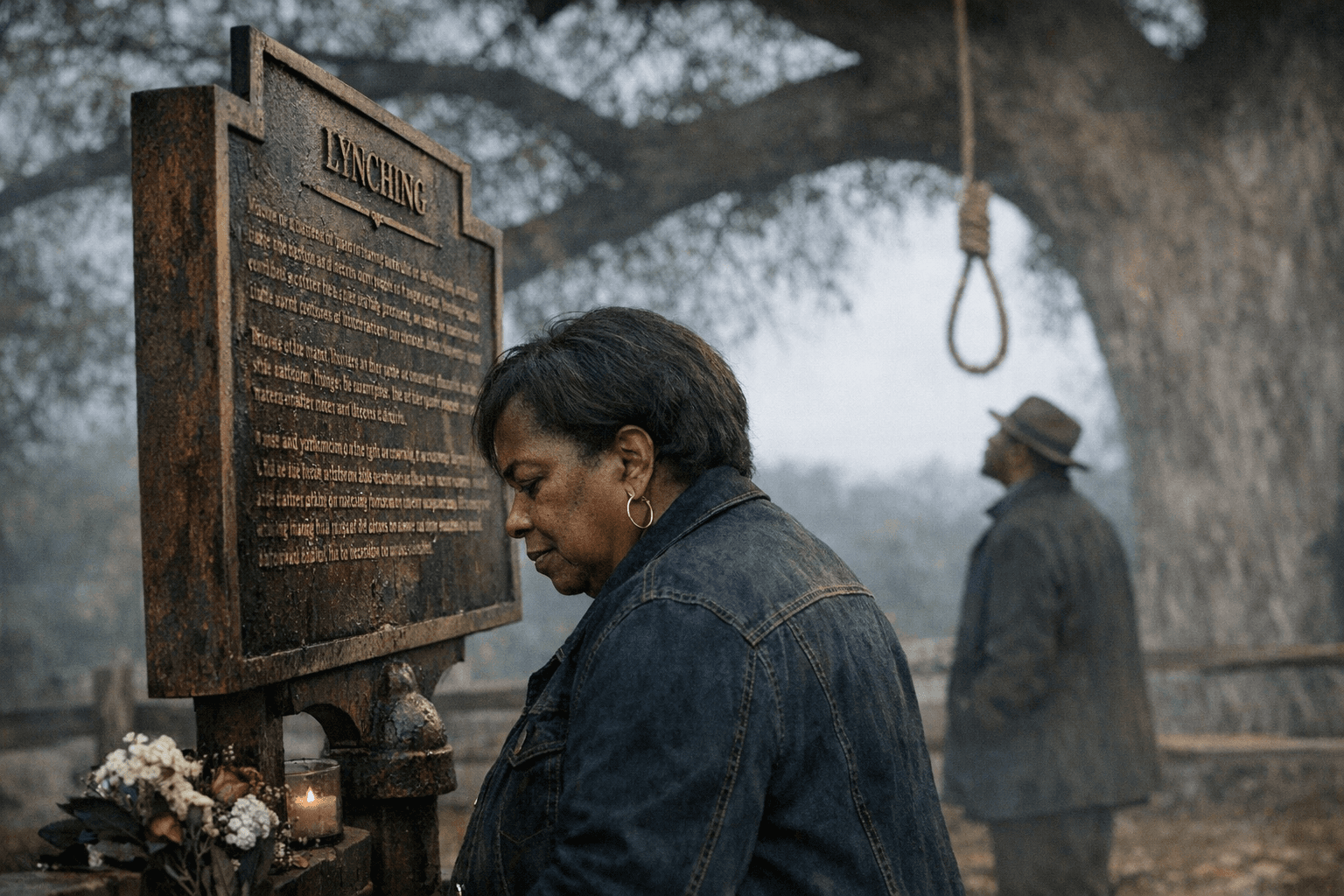
The Maryland Lynching Truth and Reconciliation Commission (MLTRC) released its final report on January 20, 2026, offering 84 recommendations after six years of research and public hearings. The report documents the history and geography of racial terror lynchings across Maryland, catalogues dozens of identified cases, and pairs detailed historical findings with a slate of proposed actions aimed at repair, accountability and reconciliation.
The report is structured in two parts: one section that chronicles the victims, incidents and locations, and a second that lays out policy and community measures. Recommendation areas span education and curriculum reform, memorialization and public markers, legal and policy changes, and community investments designed to address long-term harms. The commission frames its work as both an historical accounting and a roadmap for concrete responses by government and civil society.
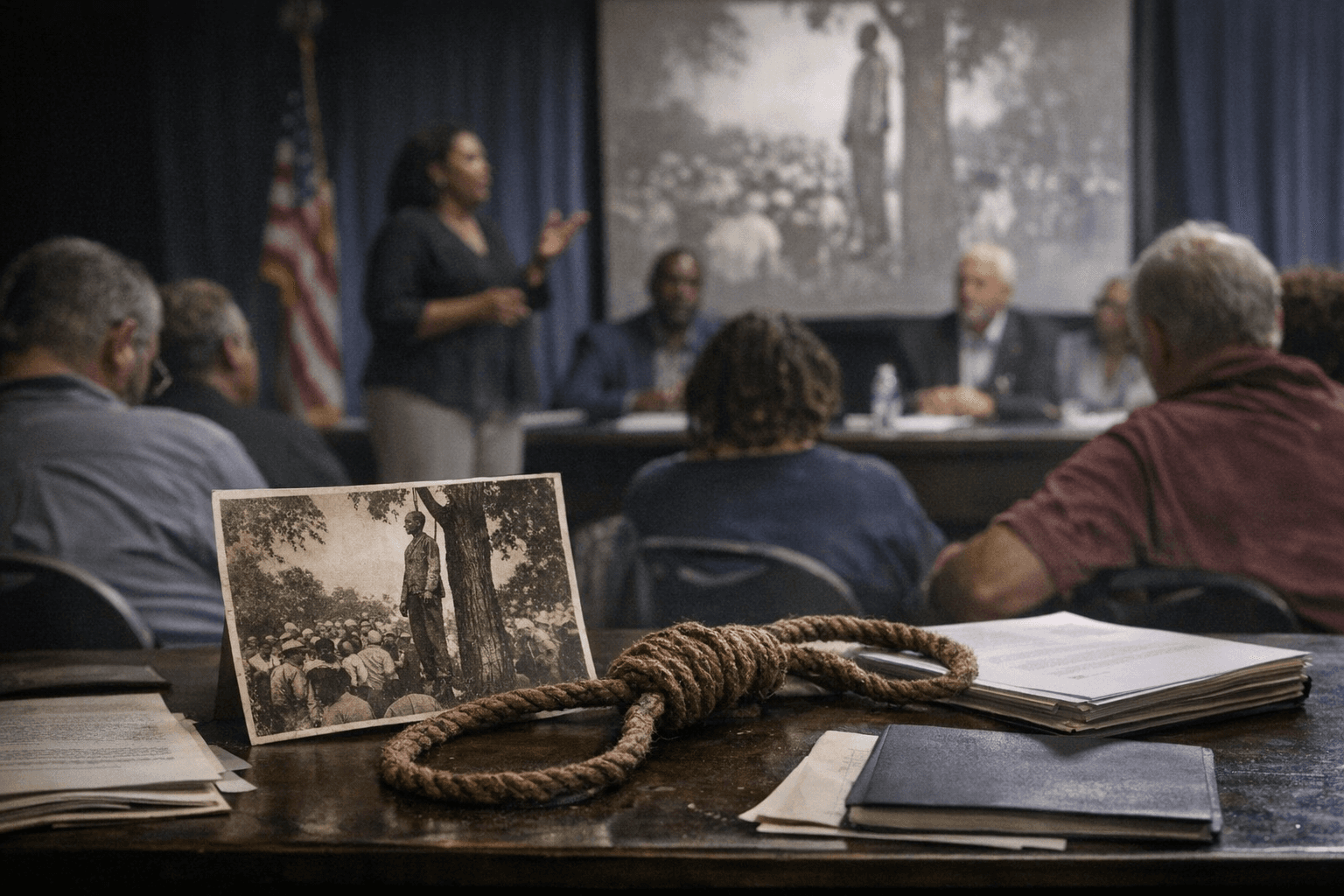
For Prince George's County, the report raises questions about local memory, public education and institutional responsibility. County leaders, school administrators, historical organizations and community groups will be among the stakeholders called on to review the commission's findings. Local implications include assessing county holdings and archival records for documented cases, considering memorials or historical markers on public land, and reviewing school curricula to incorporate the commission's historical documentation.
Institutional responses will test how county governance integrates truth and reconciliation recommendations into budget and policy cycles. County elected officials and appointed boards face choices about allocating funds for memorialization, commissioning local historical research, or supporting community-led reparative efforts. Legal and policy recommendations in the report may also prompt county legal counsel and public safety offices to examine ordinances, records retention practices, and transparency measures related to historical cases.
Community groups and local historians in Prince George's County are positioned to shape how the report's recommendations are translated to neighborhood-level actions. The commission's emphasis on community investment suggests opportunities for partnerships between county agencies and civic organizations to design public programming, markers, and educational initiatives that center descendants and historically excluded voices.
The MLTRC report provides a detailed statewide record and a menu of policy options; how Prince George's County chooses to respond will be decisive for local memory and civic accountability. County officials and community leaders now must decide whether to convene public briefings, incorporate recommendations into work plans, or pursue targeted investments that reflect the report's calls for repair. For residents, the report opens pathways for civic engagement: monitoring official responses, participating in public processes, and working with local institutions to ensure that historical documentation leads to tangible local action.
This article was produced by Prism’s automated news system from verified source data, official records, and press releases, then run through automated quality and moderation checks before publishing. The system is built and supervised by the people who set the standards it runs under. Read our full AI policy.
Did this article answer your question?