NASA unveils Roman Space Telescope at Greenbelt Goddard center
Greenbelt got a rare close-up of NASA’s fully assembled Roman telescope, a 42-foot mission that puts Goddard at the center of a global space project.
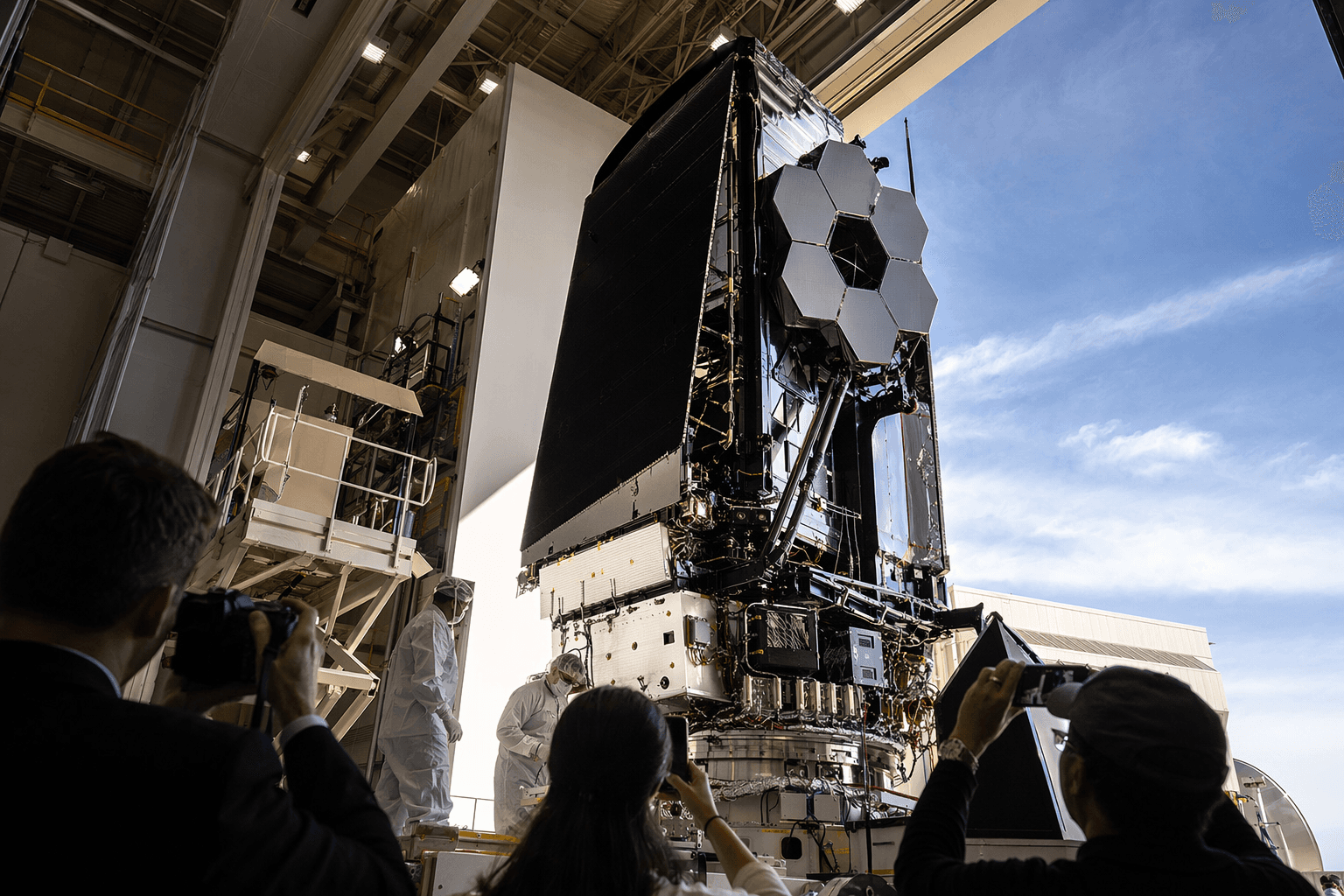
Greenbelt briefly stood at the center of the astronomy world as NASA showed off the fully assembled Nancy Grace Roman Space Telescope at Goddard Space Flight Center, a major mission milestone with a clear Prince George’s County footprint.
NASA opened the Greenbelt clean room to media on Tuesday, April 21, after the observatory was fully assembled when its two major segments were integrated on Nov. 25, 2025. The telescope is now on track to leave Maryland for Kennedy Space Center in Florida in June, with launch targeted for early September 2026 and a required launch readiness date of May 2027.
For Prince George’s County, the event was more than a science showcase. NASA said Roman’s main office is at Goddard, where the payload, telescope and instruments were assembled and tested, reinforcing the Greenbelt center’s role as an economic and intellectual anchor for the county. It also gave residents, students and space fans one of the last chances to see the finished observatory before it moved out of state for launch preparations.
Roman is built for scale. NASA says the observatory will be more than 42 feet long and weigh about 18,000 pounds when fully deployed. Its Wide Field Instrument is a 300-megapixel visible-to-near-infrared camera, and the mission is designed to survey the sky up to 1,000 times faster than Hubble while keeping similar infrared sensitivity and resolution.
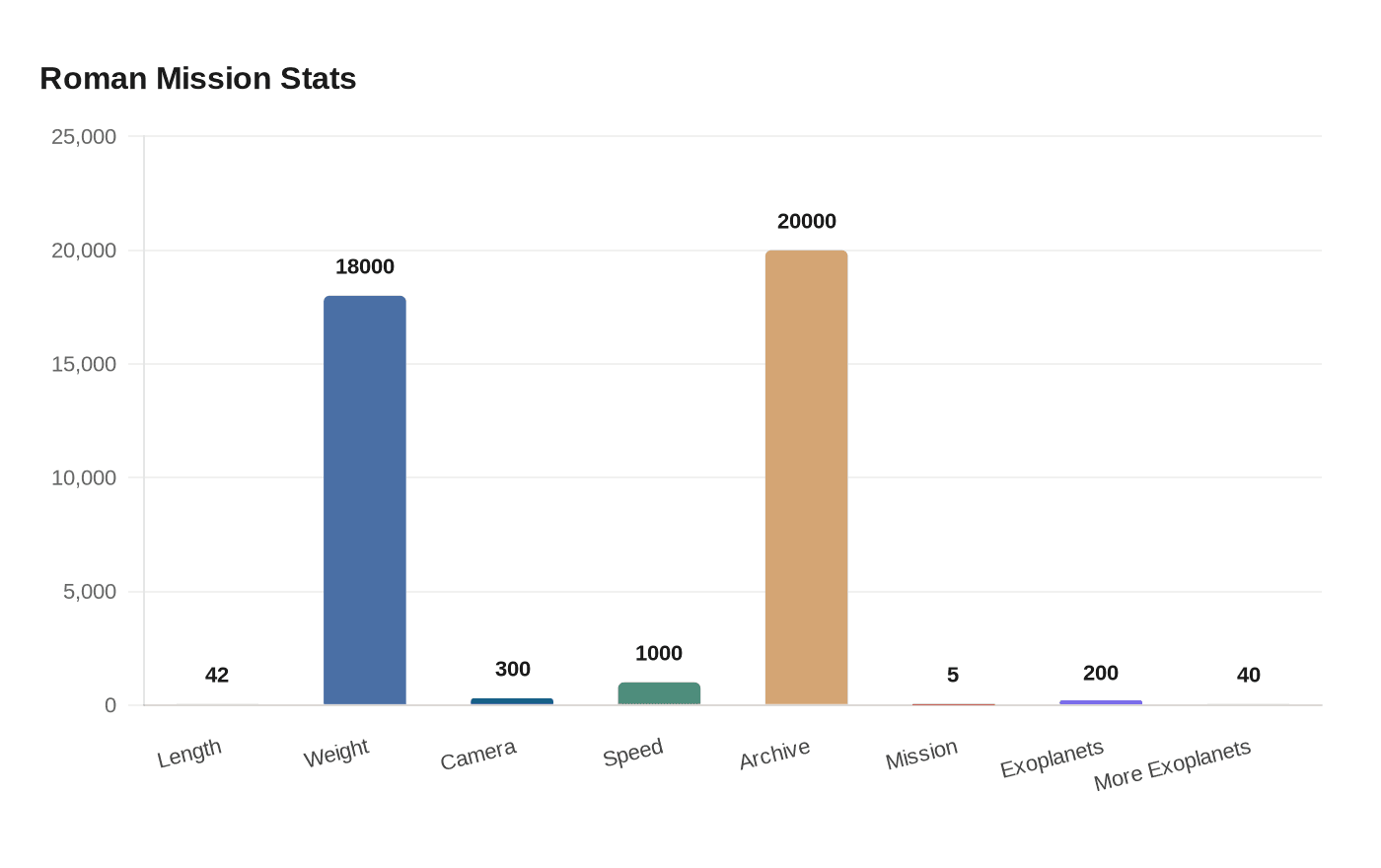
The science goals are just as ambitious. NASA says Roman will survey hundreds of millions of galaxies to study dark matter and dark energy, with a five-year primary mission expected to produce a 20,000-terabyte data archive. The telescope also will use microlensing to hunt for exoplanets, a technique that has identified just over 200 so far. NASA says Roman could help identify up to 40 times more exoplanets than are known today.
NASA scientist Julie McEnery described the observatory as a game-changer for understanding the universe, while fellow scientist Jeremy Perkins said Roman will help researchers see never-before-seen images of the galaxy and better understand how planets form and evolve. The mission, once known as WFIRST, was renamed in 2020 for Nancy Grace Roman, NASA’s first chief astronomer and the woman often called the Mother of Hubble.
For Greenbelt, the telescope’s unveiling was both a hometown milestone and a federal one, a reminder that one of the biggest scientific projects in the world was built and tested in Prince George’s County before heading to the launch pad.
This article was produced by Prism’s automated news system from verified source data, official records, and press releases, then run through automated quality and moderation checks before publishing. The system is built and supervised by the people who set the standards it runs under. Read our full AI policy.
Did this article answer your question?