Oxon Cove Park tells the story of slavery and farming in Prince George's County
Oxon Cove Park links Prince George’s farming past to slavery, Black landownership, and the preservation choices shaping county memory today.
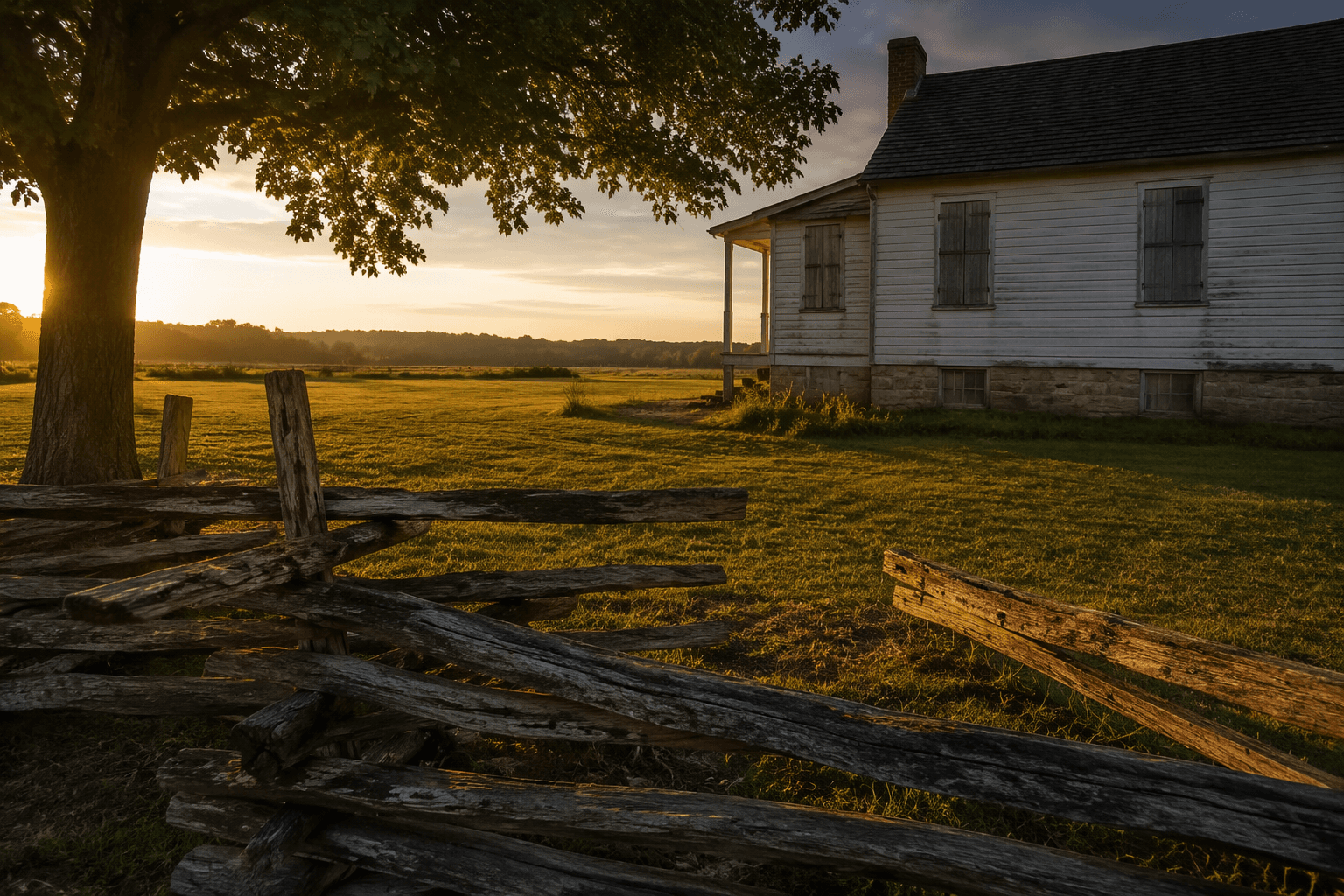
Oxon Cove Park and Oxon Hill Farm in Oxon Hill is not just a place to walk past barns and fences. The ground itself carries the county’s farm economy, the record of enslaved labor, and the public decisions that kept this shoreline from being swallowed by urban growth. That is why the site matters now, especially as Prince George’s County weighs how much land it can still afford to save.
Why this place still matters in Prince George’s County
Oxon Cove was entrusted to the National Park Service in 1959 to protect its natural and cultural resources from increasing urbanization, and park history materials say it became a national historic district by 1967. Those dates matter because they show the site was preserved as county land pressure intensified, not after the landscape was already erased.
That pressure has only grown more urgent across Prince George’s County. The county planning department’s farmland strategy warns that farmland is disappearing rapidly and could be gone by 2050 if the trend continues. In the same year Prince George’s County saw $8.55 million in state funding for M-NCPPC planning, parks and recreation projects, the question around places like Oxon Cove is not whether preservation is valuable, but which stories get protected when public dollars are limited.
A farm history that predates the park by centuries
The site has been used as a farm since the late 1600s, long before it became a park unit along the Potomac River shoreline. One of the most visible reminders of that older landscape is the brick barn, which dates to around 1820, when the DeButts family owned the property. That means the site reflects multiple ownership eras, not a single preserved moment frozen in time.
The National Park Service describes Oxon Cove Park and Oxon Hill Farm as a place that preserves and interprets historic, agrarian and natural landscapes along the Potomac River shoreline. Its foundation document says the park also contributes to protection of the water quality of the Potomac River and provides recreational opportunities. In other words, this is both a heritage site and an environmental asset, part of National Capital Parks-East and part of the county’s living land-use story.
The slavery record is part of the landscape
The farm story cannot be told honestly without the people who were forced to work the land. National Park Service history materials identify the pre-park Berry Farm period as one in which enslaved workers performed difficult agricultural labor on the property. That makes the site more than a scenic reminder of old agriculture. It is a public place where slavery sits inside the land record.
Maryland State Archives records identify Thomas E. Berry, born around 1815 and dead in 1879, as a slave holder in Prince George’s County and the owner of Oxon Hill Plantation on the Potomac River. Those same records note that the property had been purchased by his grandfather, Zachariah Berry, and passed down through the family. When you stand at Oxon Cove, you are looking at a landscape shaped by inheritance, forced labor and the profit system that held both together.
Black landownership and county memory
Oxon Cove also belongs inside the wider Prince George’s County history of Black landholding and community formation. The National Park Service has a history page focused on free Black landowners of the 19th century, which helps place the site in a broader regional pattern rather than reducing it to one plantation story. Prince George’s County planning materials go further, stating that African Americans have been integral to the county’s development since the seventeenth century.
That county record is reinforced by the planning department’s list of free Blacks in Prince George’s County from 1790 to 1860 and by the Black history essay collection written by M-NCPPC staff Gail Thomas, Kenvi Phillips and Stacey Shorter. Those names matter because the county’s preservation narrative is not only about owners and buildings. It is also about the people whose labor, land claims and communities built the county around and beyond places like Oxon Hill.
Seen that way, preserving Oxon Cove is not just about protecting a historic farm setting. It is about keeping Black history legible in the county’s public landscape, where it can be taught without being stripped of the power relations that shaped it.
What visitors can see and use now
The park remains an accessible place to learn this history on your own. The National Park Service offers a self-guided tour for Oxon Hill Farm and a self-guided audio tour for the park, which makes the site usable whether you are stopping for an hour or planning a longer visit. The visitor information listed in park guides gives the grounds daily hours as 8 a.m. to 4:30 p.m., with the Visitor Barn Bookstore open daily from 9 a.m. to 3:45 p.m., and admission is free.
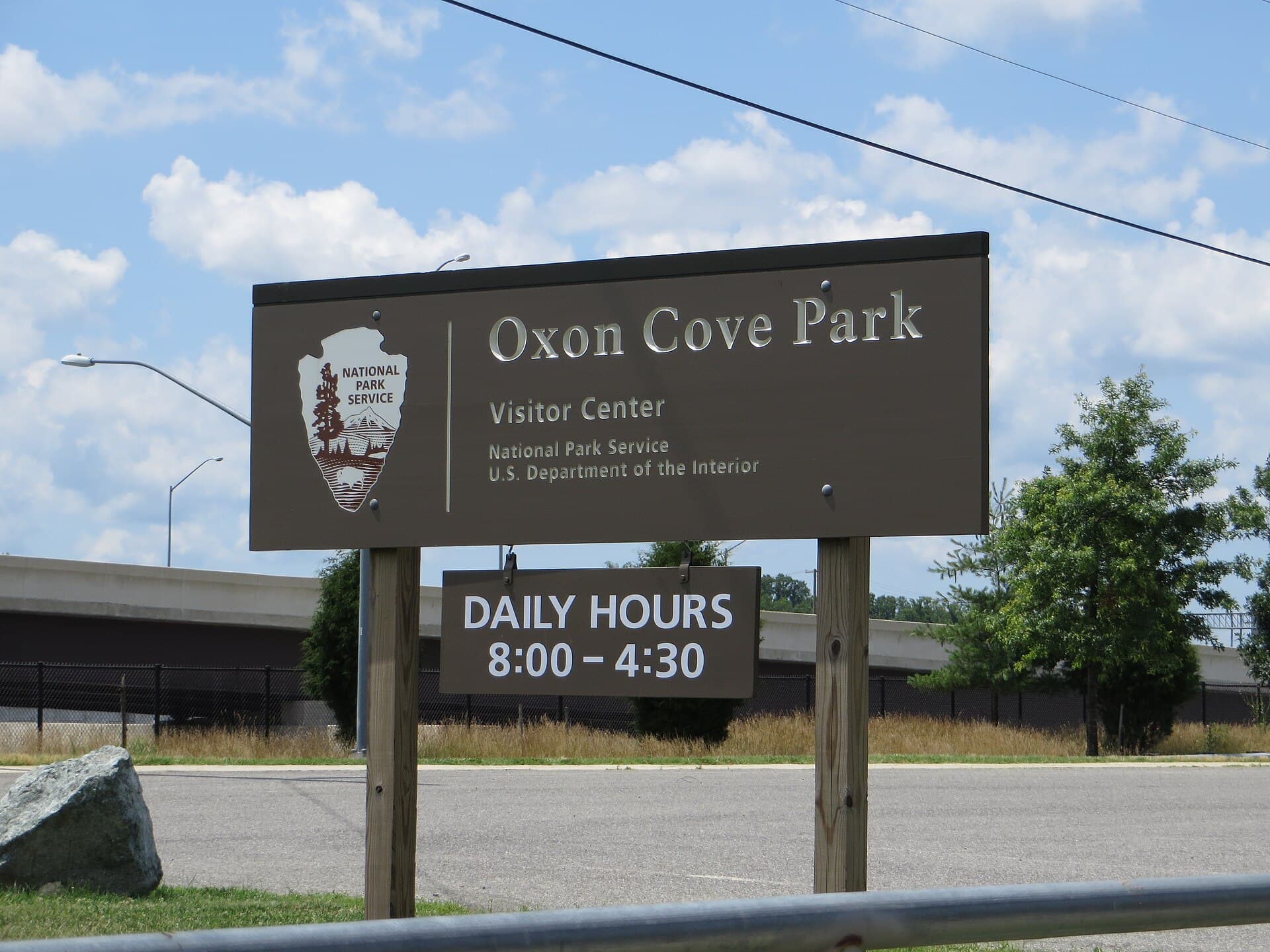
The park’s address is 6411 Oxon Hill Road in Oxon Hill, and Visit Maryland lists the visitor center as a place with activities for kids. That accessibility matters because public history only works if people can reach it, move through it, and connect the physical landscape to the labor and ownership history behind it. A site like Oxon Cove becomes most useful when families, students and longtime residents can see that the barns and fields are not decorative extras but evidence.
Why preservation here shapes county identity
Prince George’s County has many places tied to Black history, farming and land loss, but Oxon Cove is unusually compact and readable. It holds the long farm timeline, the record of enslaved labor, the story of Black landownership in the region, and the county’s modern preservation choices in one shoreline landscape. That makes it one of the clearest examples in the county of how conservation, public memory and land control are tied together.
If this place is treated only as scenery, the county loses a chance to show how slavery, agriculture and Black history are written into its land. If it is preserved and interpreted as civic heritage, Oxon Cove becomes a working lesson in who built Prince George’s County, who controlled the land, and why the choices made now will shape what future residents are still able to see.
This article was produced by Prism’s automated news system from verified source data, official records, and press releases, then run through automated quality and moderation checks before publishing. The system is built and supervised by the people who set the standards it runs under. Read our full AI policy.
Did this article answer your question?