PGCPS launches community Attendance Ambassador Program to cut chronic absenteeism
At Andrew Jackson Academy, chronic absenteeism once hit 74%. PGCPS is now recruiting community Attendance Ambassadors to push that number down countywide.
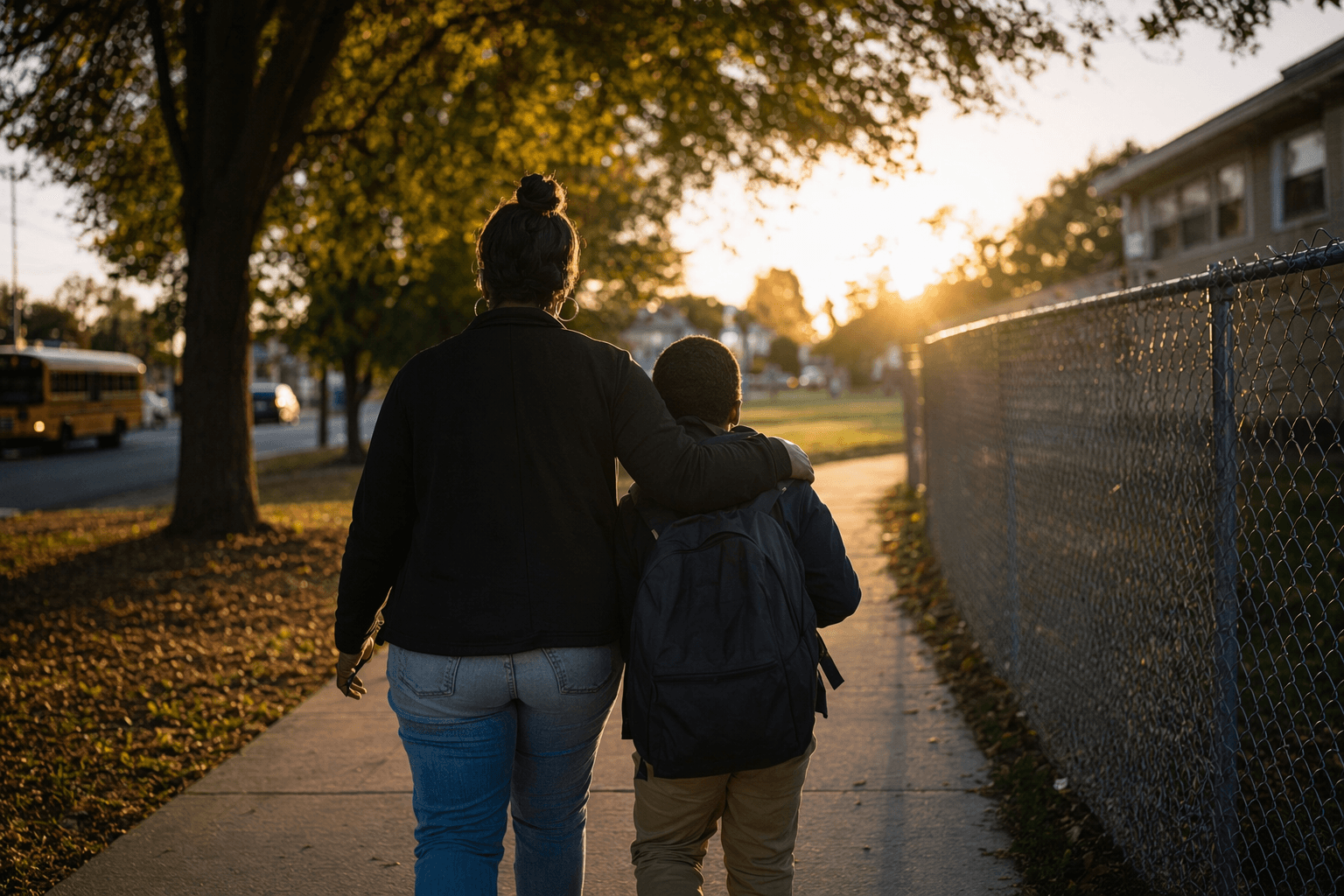
A school where nearly three out of four students were chronically absent is now the model Prince George’s County Public Schools is using to fight back. PGCPS launched a community Attendance Ambassador Program on April 28, aiming to turn parents, neighbors and local partners into a frontline force against a problem that still leaves too many students missing class and falling behind.
At Andrew Jackson Academy in District Heights, Principal Warren Tweety said chronic absenteeism stood at 74% when he arrived in 2022. The school says targeted work has since brought that figure down to 21%, a sharp turnaround that district leaders are holding up as evidence that attendance improves when adults coordinate around students instead of waiting for absences to snowball.
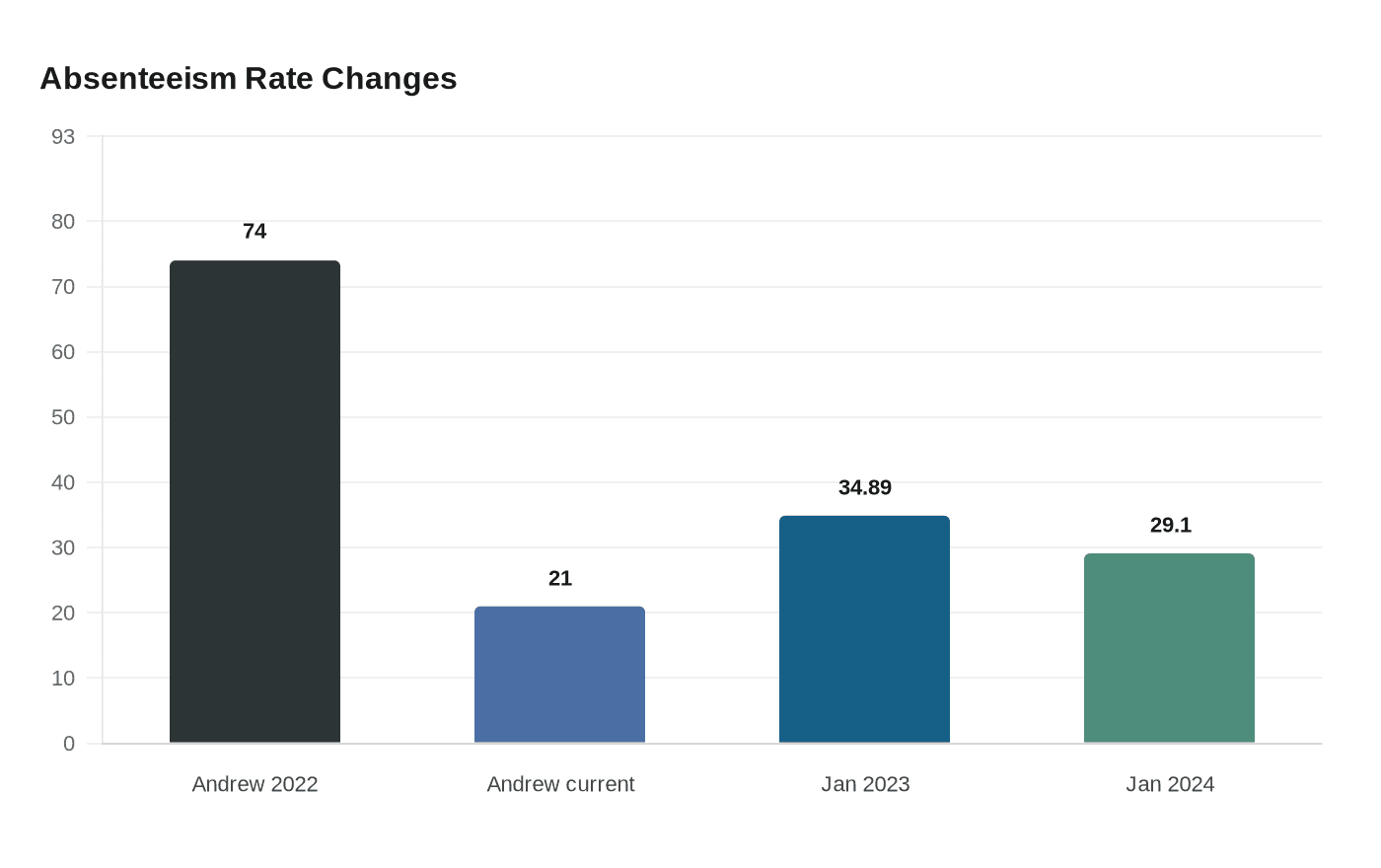
Districtwide, the picture has improved but remains troubling. PGCPS said chronic absenteeism fell from 30% to 27% over the past year, and earlier district data showed the rate dropping from 34.89% in January 2023 to 29.10% in January 2024, the lowest level in three years. Even with that progress, one in four students still missing school often enough to count as chronically absent is a major academic and operational problem for a system trying to recover from pandemic-era disruption.
PGCPS defines chronic absenteeism as missing 10% or more of school days while enrolled for at least 10 days. Board Policy 5113 says schools, families and communities must work together to foster exemplary attendance, and the district’s attendance procedures call for proactive, early intervention to prevent truancy. The new ambassador program is built around that idea, with volunteers and partners asked to encourage regular attendance, build stronger school-community connections and help families remove barriers with empathy, coordination and practical solutions.
Tisa Holley, PGCPS’ director of student services, said the approach is meant to work alongside families rather than blame them. The district’s family guidance urges parents to keep communication open, update contact information in ParentVUE and reach out quickly for help if getting a child to school becomes difficult. That support can include school officials, after-school programs, other parents or community agencies.
The problem is not only logistical. Students have pointed to anxiety, stress and feeling disconnected as reasons they miss school, and PGCPS’ attendance policy recognizes behavior-health needs and, in certain cases, one mental-health day per semester as excused. Nationally, the scale remains enormous: the National Assessment Governing Board says more than 14 million students were chronically absent in 2021-22, and a 2024 white paper pegged the national rate at more than 28% in 2022, up from roughly 15% before the pandemic.
For Prince George’s County, the new ambassador program is less a symbolic outreach effort than a test of whether attendance can be improved through faster contact, earlier intervention and closer ties between schools and the communities around them.
This article was produced by Prism’s automated news system from verified source data, official records, and press releases, then run through automated quality and moderation checks before publishing. The system is built and supervised by the people who set the standards it runs under. Read our full AI policy.
Did this article answer your question?


